乐高搭建合集 — 卷一:乐高建筑师
来源:《The LEGO Architect》| 原始行范围:49-144, 2428-3000
第一卷:乐高建筑师
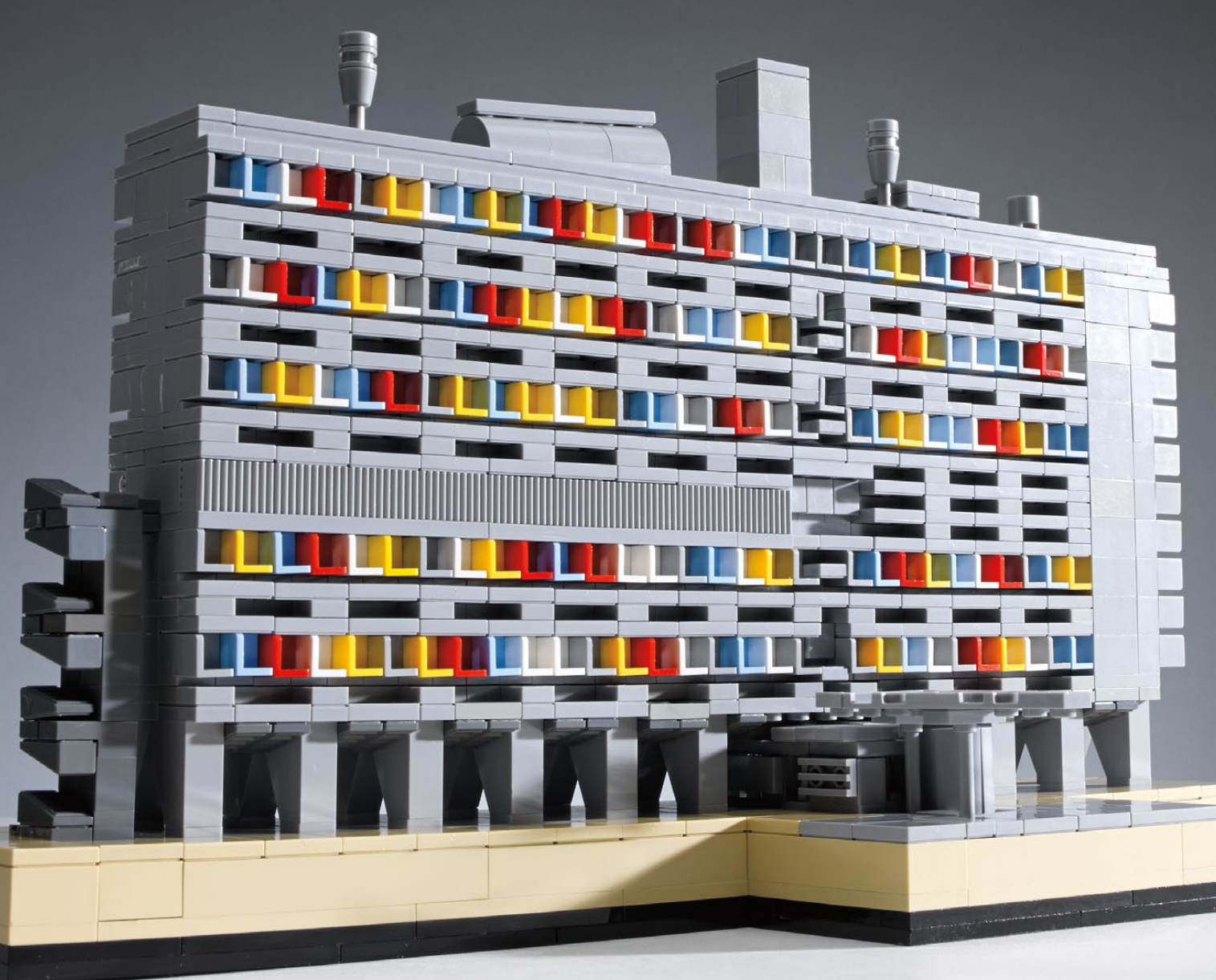
前言
乐高积木本就根植于建筑学——毕竟,这些小塑料块就被称为”砖”!在本书中,你将通过用乐高搭建来学习现实中的建筑设计。来自世界各地才华横溢的艺术家创作的惊艳乐高模型和真实建筑的照片将给你带来灵感,同时你还能在搭建过程中学习建筑学的历史。
本书源自我自己用乐高探索建筑的经历。我的灵感来自乐高建筑工作室套装,它包含了1000多块白色和透明乐高积木,但完全没有搭建说明书。这个套装迫使你自己设计模型,这是一个很棒的挑战,我希望你也能受到启发尝试一下。通过学习有影响力的建筑风格,我希望你能更好地欣赏你所在城市的建筑,并为你自己的乐高建筑创作找到灵感。
虽然书中的章节被清晰地组织成不同的风格,但现实世界要复杂得多。建筑师们不断地将新旧观点融合,创造出创新设计,当不同建筑师的作品汇聚在一起,就会诞生新的风格。随着时间推移,建筑风格会过时,但多年后有时会重新出现。通过结合不同风格中你喜爱的元素,你可以创造出自己独特的风格。
关于搭建说明
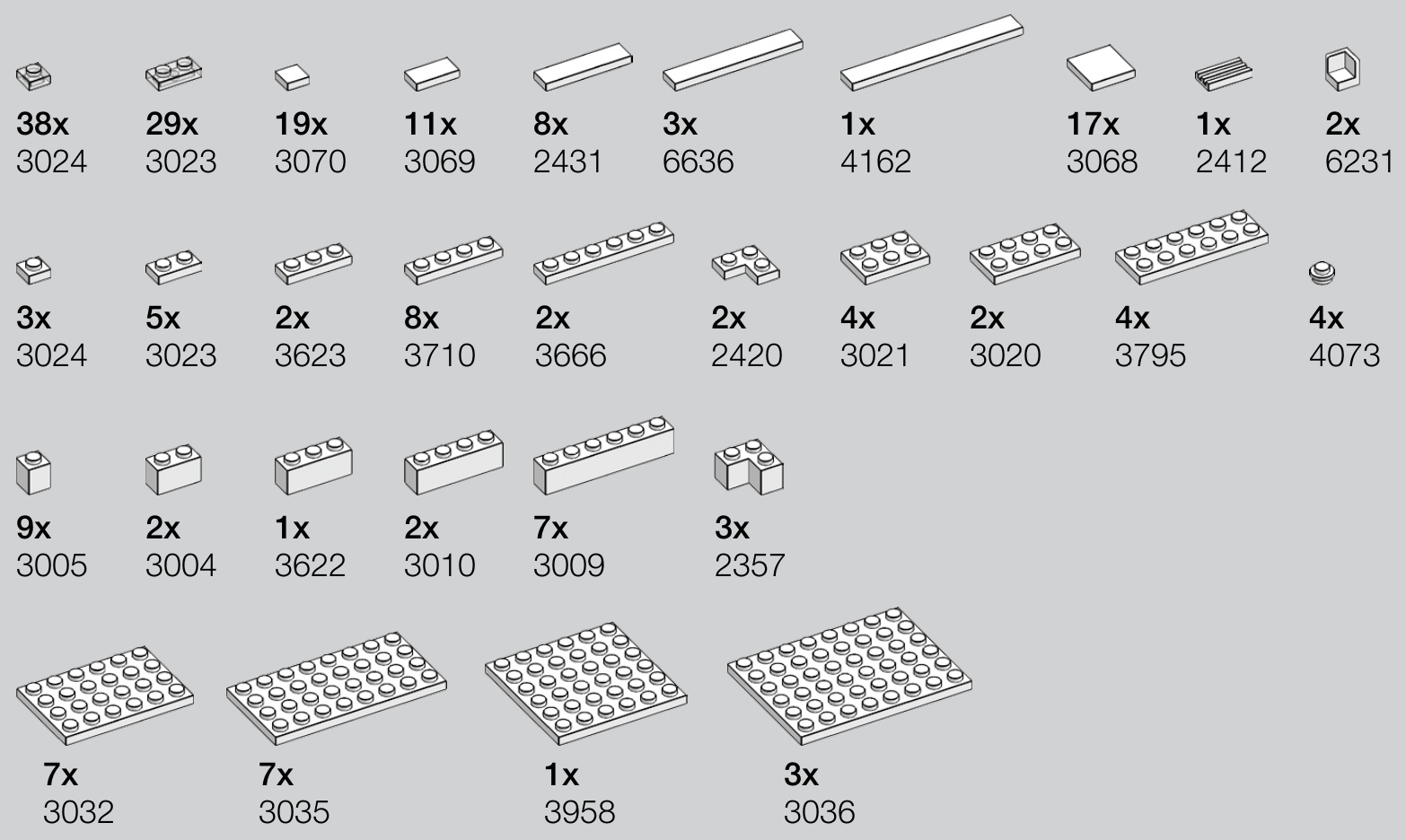
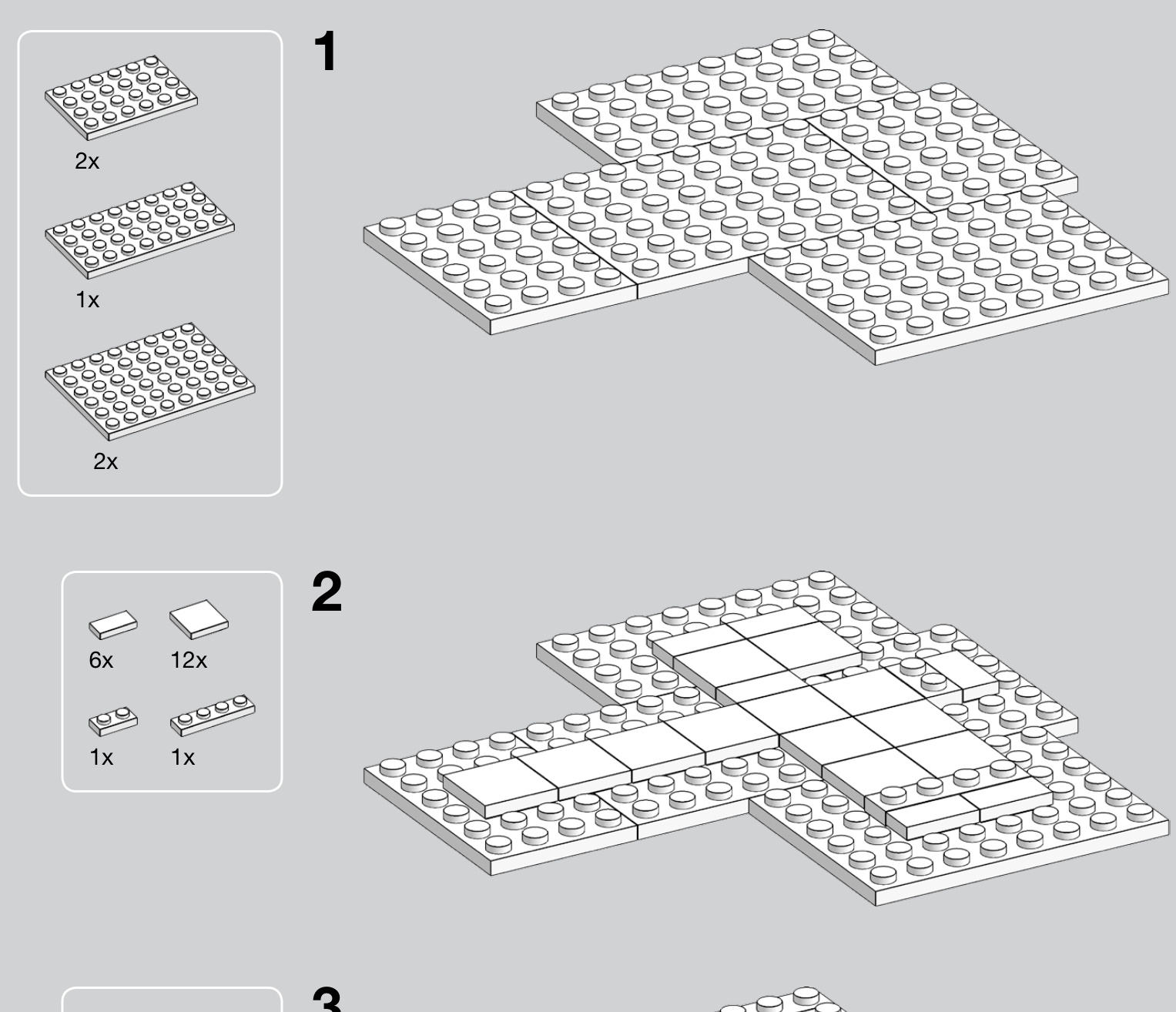
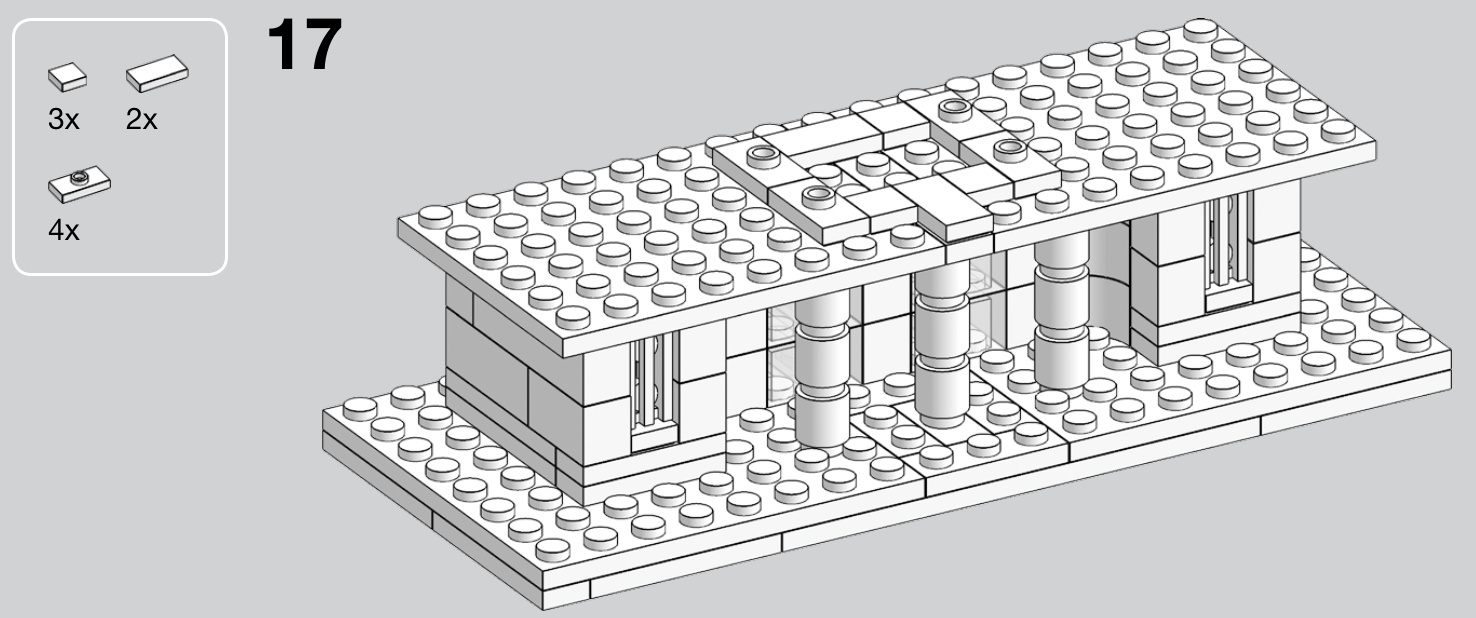
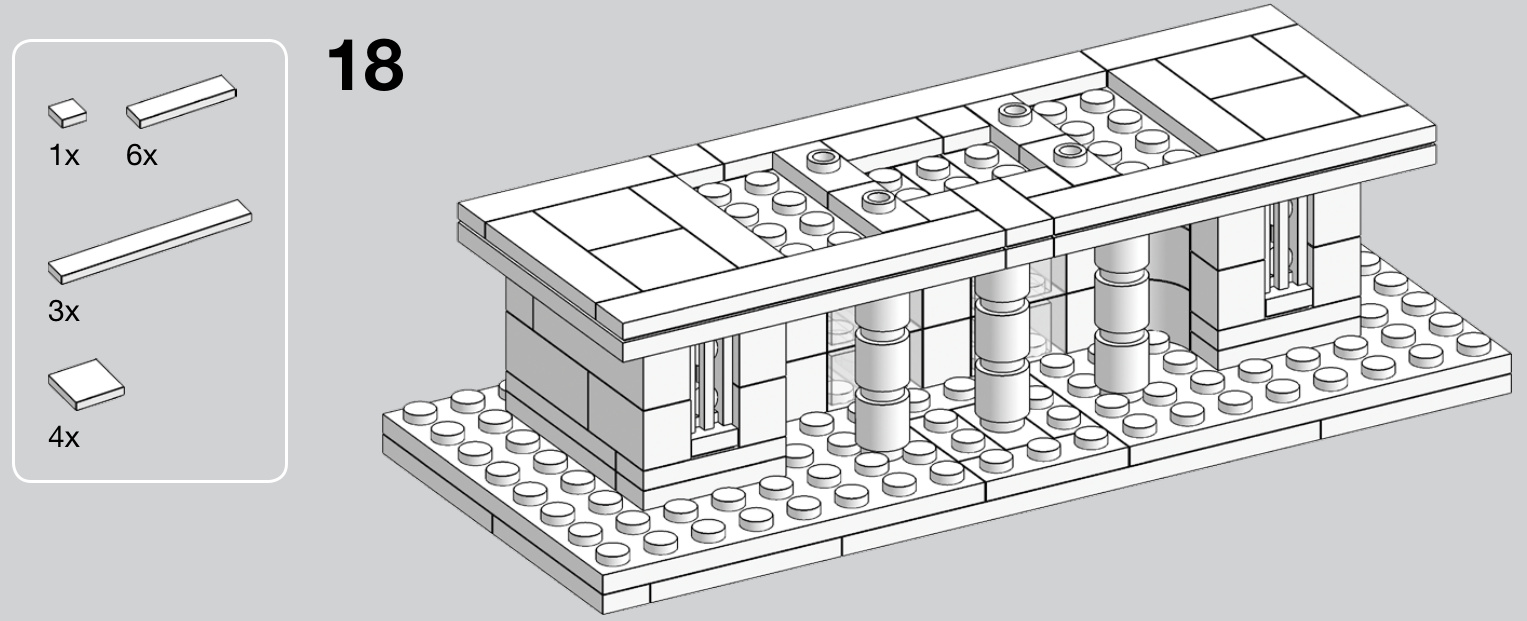
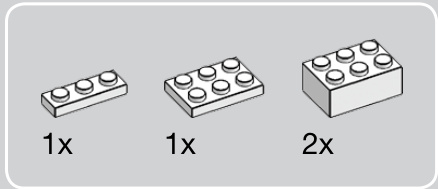
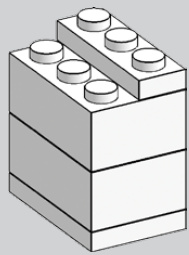
本书中的搭建说明只使用白色和透明砖块。这样可以让说明保持简洁,让我们专注于定义每种风格的关键特征。你不必拘泥于字面意义——使用你已有的颜色,根据需要替换不同的零件。每套说明开头都列出了零件编号,如果你需要,可以帮助你在线订购额外的积木。本书中的许多模型都可以只使用乐高建筑工作室套装的零件搭建,其余模型使用的零件也相当常见,你可能已经拥有了。
致谢
本书致敬了世界各地选择乐高作为媒介的充满活力的艺术家社区。当我请求分享他们的作品时,我对乐高建造者们的热情回应感到惊讶。感谢本书中出现的乐高艺术家,感谢我的测试读者,感谢SEALUG,感谢整个社区。
本书献给我的家人。感谢我的父母,给予我好奇心、旅行和许多乐高套装。感谢Amy,在我们的房子堆满锋利塑料砖时依然耐心,她对教学和学习坚定不移的热爱每天都激励着我。
建筑史简介
本书探索的建筑风格代表了近代(过去500年)最重要的一些风格,重点关注欧洲和北美常见的西方建筑风格。但你也会看到亚洲建筑如何影响草原风格和后现代风格,埃及和中美洲建筑如何影响装饰艺术风格。
回顾建筑的早期历史,由于早期房屋用木材、皮革和黏土等易腐天然材料建造,保存至今的很少。我们通过苏格兰北部5000年前石屋的遗迹、巨石阵的石环、梅萨维德的悬崖住宅和埃及大金字塔,一窥早期建筑史。
埃及人是最早在建筑中使用柱子的民族,但希腊人以在神庙中使用一长排细长柱子而闻名,比如雅典著名的帕特农神庙(公元前438年)。罗马人扩展了希腊和罗马干净的古典形式,进一步推动了建筑和工程的极限,他们接受了拱门的结构潜力,应用在从高架渠、桥梁到斗兽场(公元80年)。罗马人还首先掌握了混凝土的使用,最著名的就是万神殿的圆顶,从公元126年一直屹立至今。
从这里本书开始,我们将跟随建筑风格的快速演进,这些风格受到新材料、新兴技术和社会压力的启发。我们将看到:
- 新古典主义建筑师如何从过去寻找灵感
- 开阔草原如何启发了属于它自己的风格
- 财富和浮华如何反映在装饰艺术风格中
- 新材料和新技术如何让现代主义成为可能
- 经济压力如何导致现代主义演变为粗野主义
- 对无聊极简设计的蔑视如何催生后现代主义
- 计算机建模如何带来创造性的高科技设计
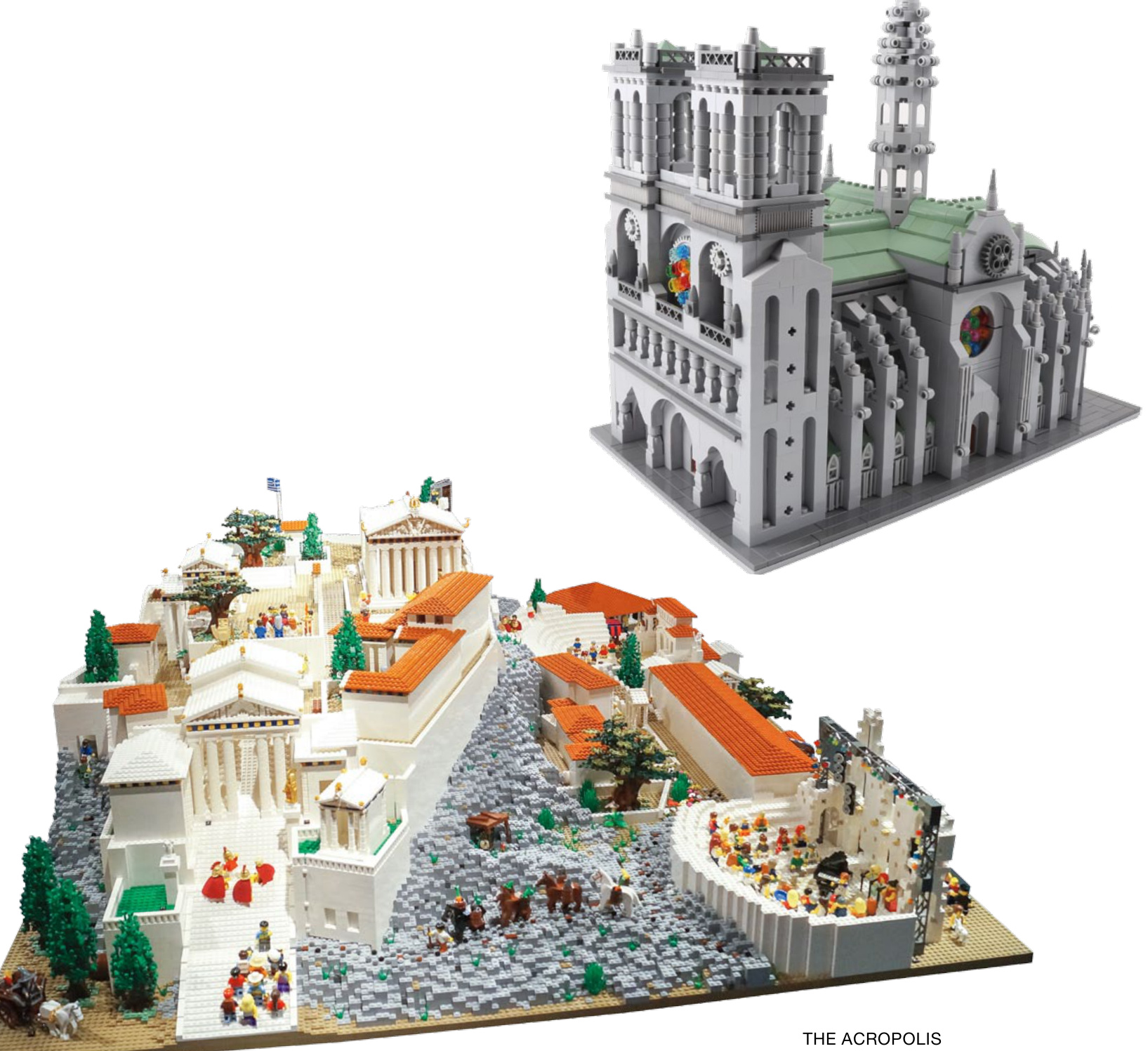
第1章 新古典主义
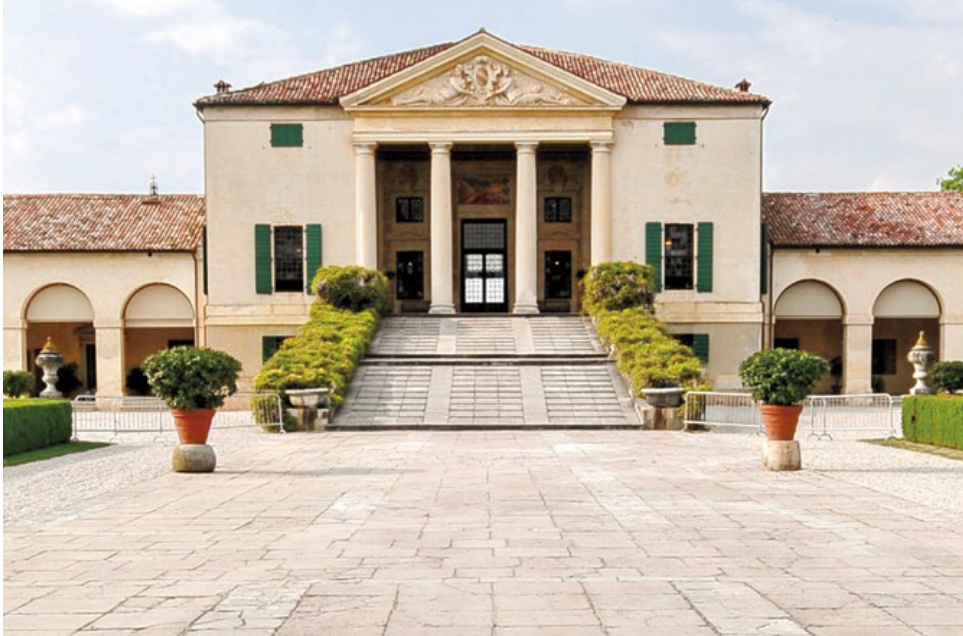
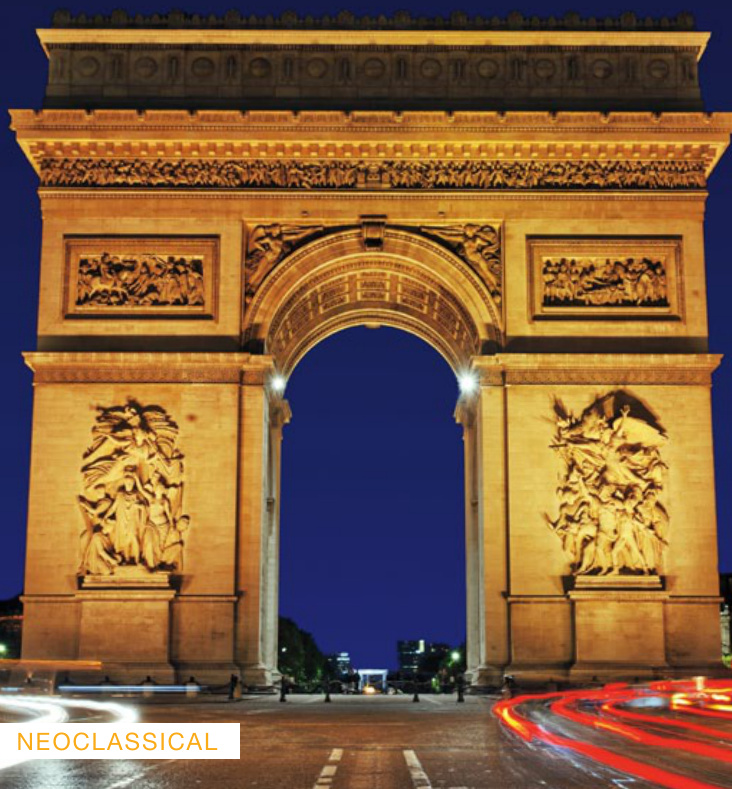
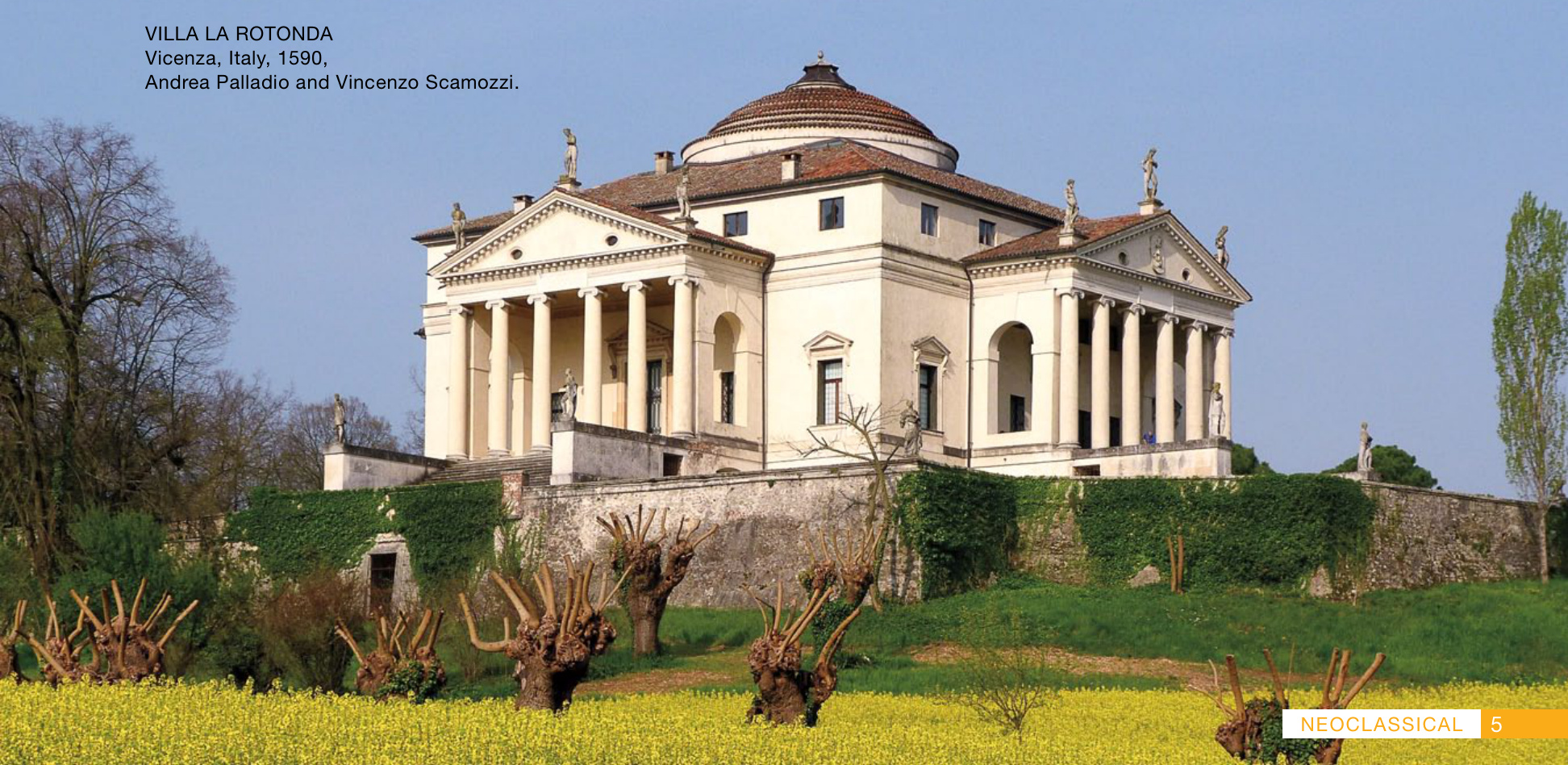
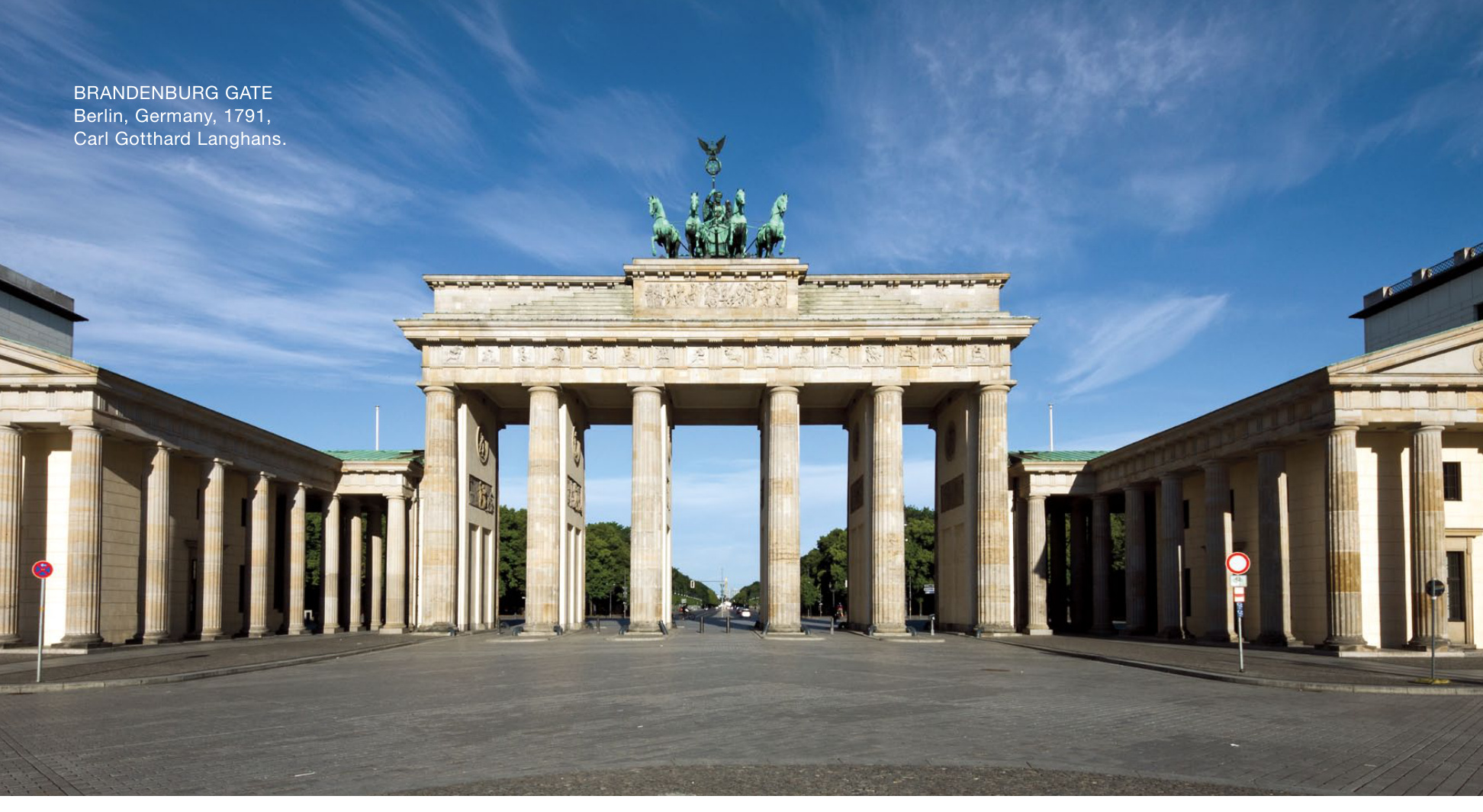
新古典主义建筑出现在对古希腊罗马视觉艺术、设计和文学重新燃起兴趣的时期。这种风格强调对称性和简洁性。许多新古典主义建筑都有高大的柱子,顶部是三角形山墙和巨大的圆屋顶,类似于古罗马的万神殿。

巴黎凯旋门
法国巴黎,1836年,让·查尔格林和路易斯-艾蒂安·埃里卡尔·德·蒂里。
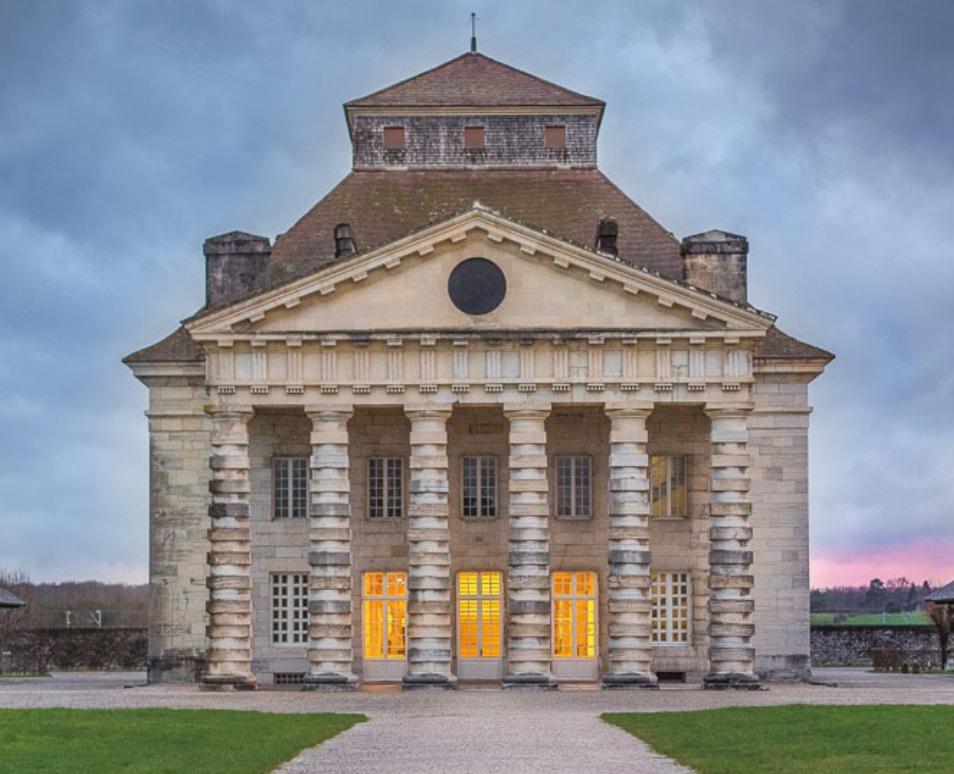
18世纪中期的新古典主义主流运动之前,意大利建筑师安德烈亚·帕拉第奥就已经创作了作品,他在1570年的著作《建筑四书》中,分类记录了古希腊罗马建筑的关键特征。帕拉第奥逆向设计了古代的设计,制定了正确管理柱子、山墙和其他古典形式的尺寸和位置规则。严格遵循这些原则的新古典主义建筑被称为帕拉第奥式。
在1700年代,帕拉第奥对古典建筑的严格诠释在当时大多数欧洲建筑师都在探索越来越装饰性的巴洛克和洛可可风格的时期就已经超前了。虽然松散地基于古典形式和元素,巴洛克建筑通常包括了戏剧性的外立面,随意使用柱子,内部装饰着复杂雕刻灰泥和壁画。直到1700年代巴洛克风格受到了严肃的批评,几本书谴责了它的颓废。
建筑材料
新古典主义建筑使用的主要材料是雕刻石材,用于墙体和柱子。屋顶材料多种多样,但可以包括木瓦、赤陶或金属。
新古典主义住宅通常用低成本材料建造,例如砖,有时涂灰泥并漆成中性颜色。
乐高砖块运用
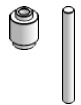
根据模型比例,圆形砖或条棒可以用作柱子。

在遵循罗马传统的设计中可以使用拱门。

斜坡砖可以用于陡峭的屋顶。
半球形和其他弧形零件可以用于圆屋顶。
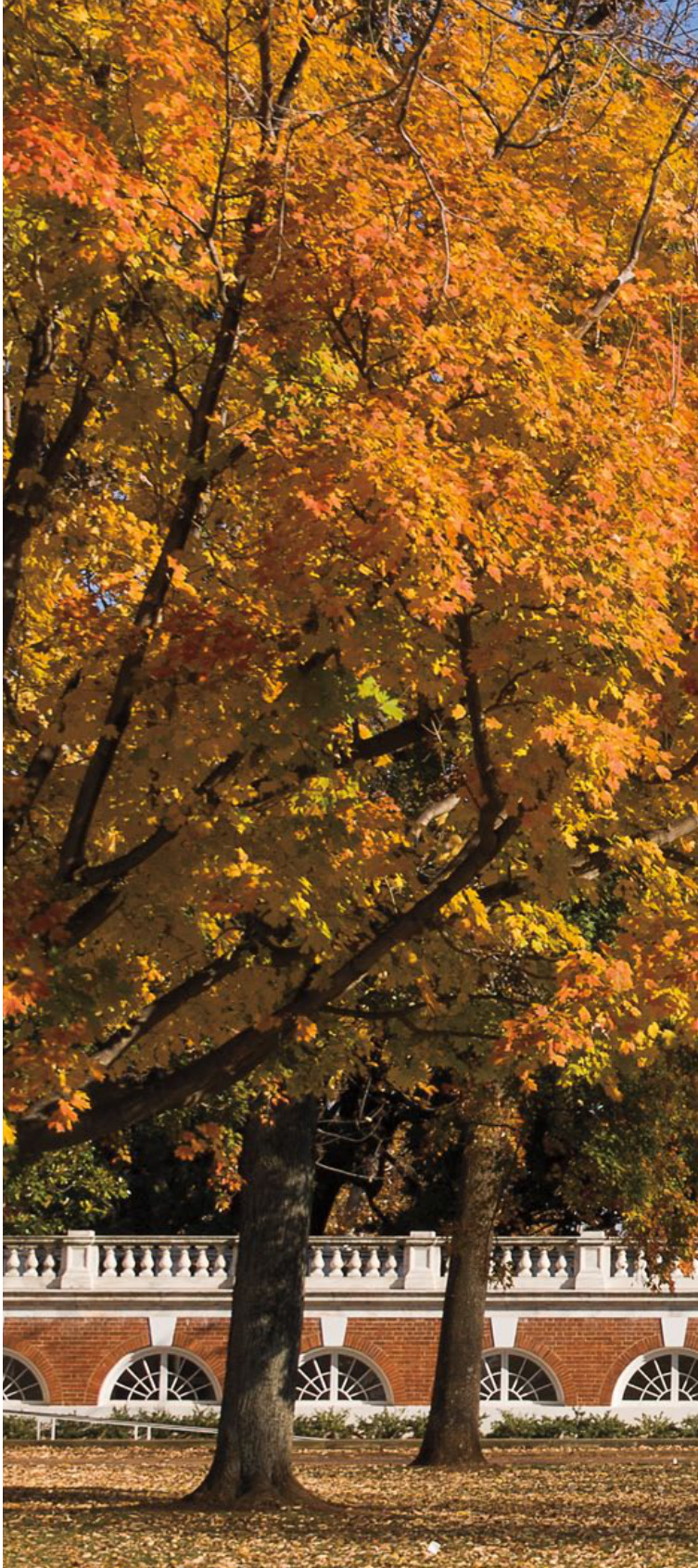
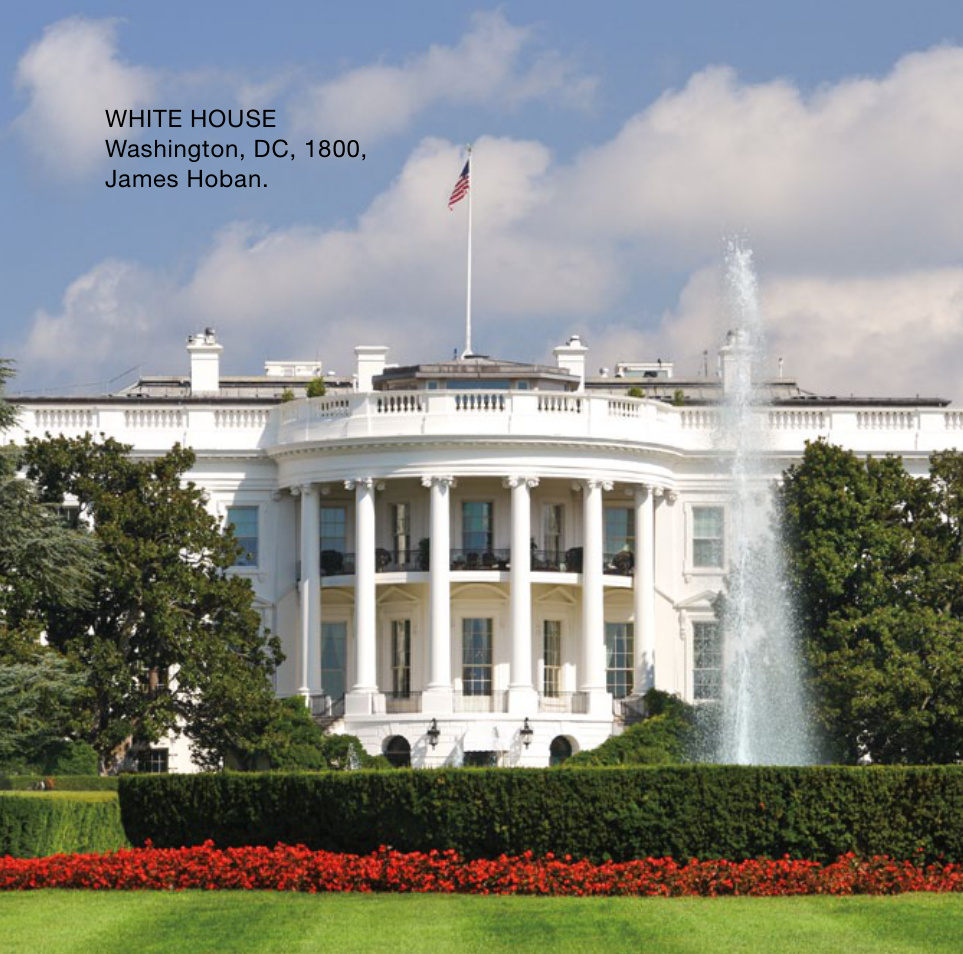
新古典主义建筑也穿越大西洋来到美国。罗马共和国不仅影响了新民主的政府,也影响了它的建筑语言。开国元勋托马斯·杰斐逊对建筑的兴趣和他对帕拉第奥的崇敬体现在弗吉尼亚大学的圆形大厅(1826年)。在杰斐逊的支持下,新古典主义成为华盛顿特区美国国会大厦(1793年)、白宫(1800年)和许多其他标志性纪念建筑的首选风格。新古典主义建筑至今仍在世界各地的纪念碑、政府建筑和大学中使用。
LEGO lends itself well to Neoclassical design, as the style tends to be rectangular, strictly symmetrical, and composed of design elements that are easily matched to basic LEGO bricks. The style is characterized by a relatively small degree of ornamentation, especially when compared to the Baroque era that preceded it. This means there aren’t as many small details you need to re-create. The biggest challenges are often the massive domes and the gently sloping roofline of pediments, although this chapter includes building instructions for creating both.
LEGO Colors

White
Light bluish grey
Dark bluish grey
Tan
Dark tan
Trans clear

Neoclassical LEGO Models
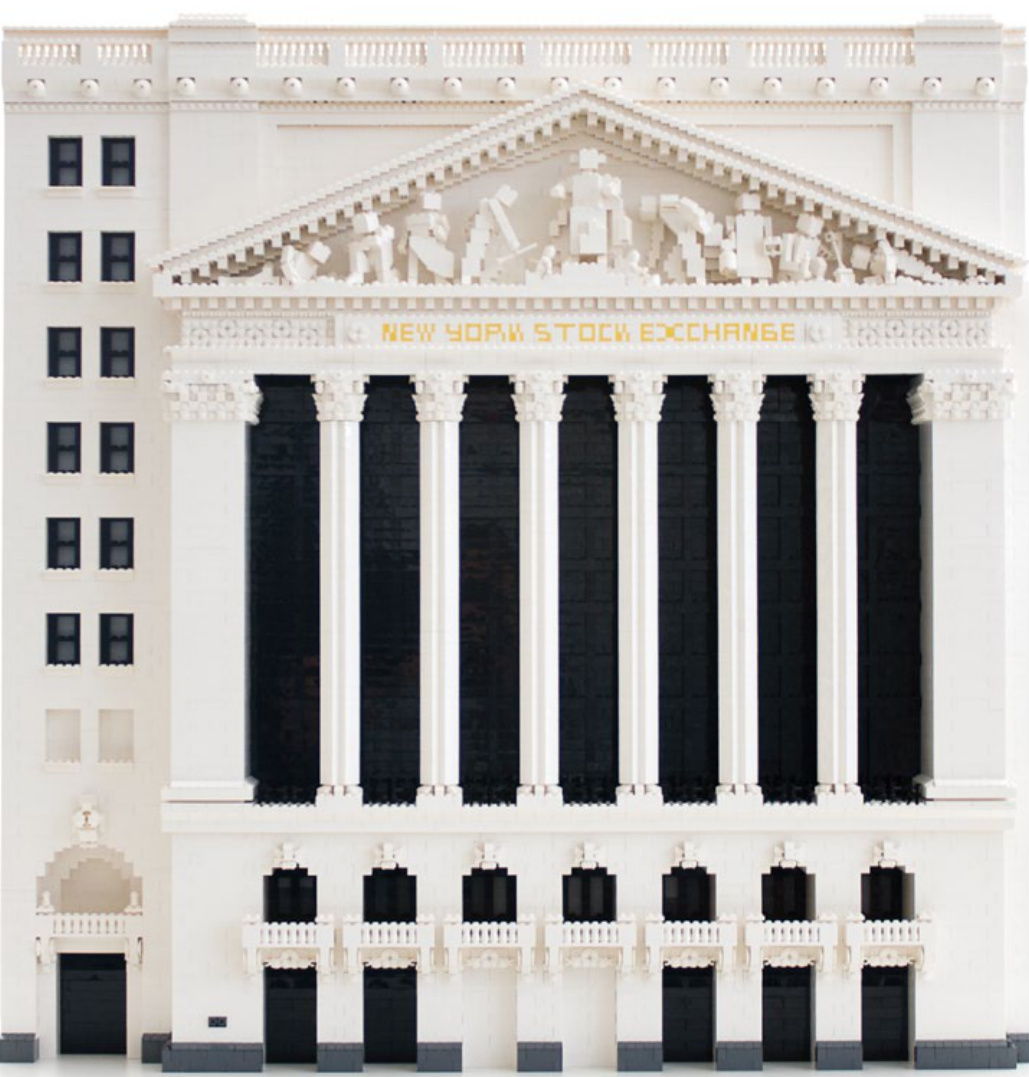
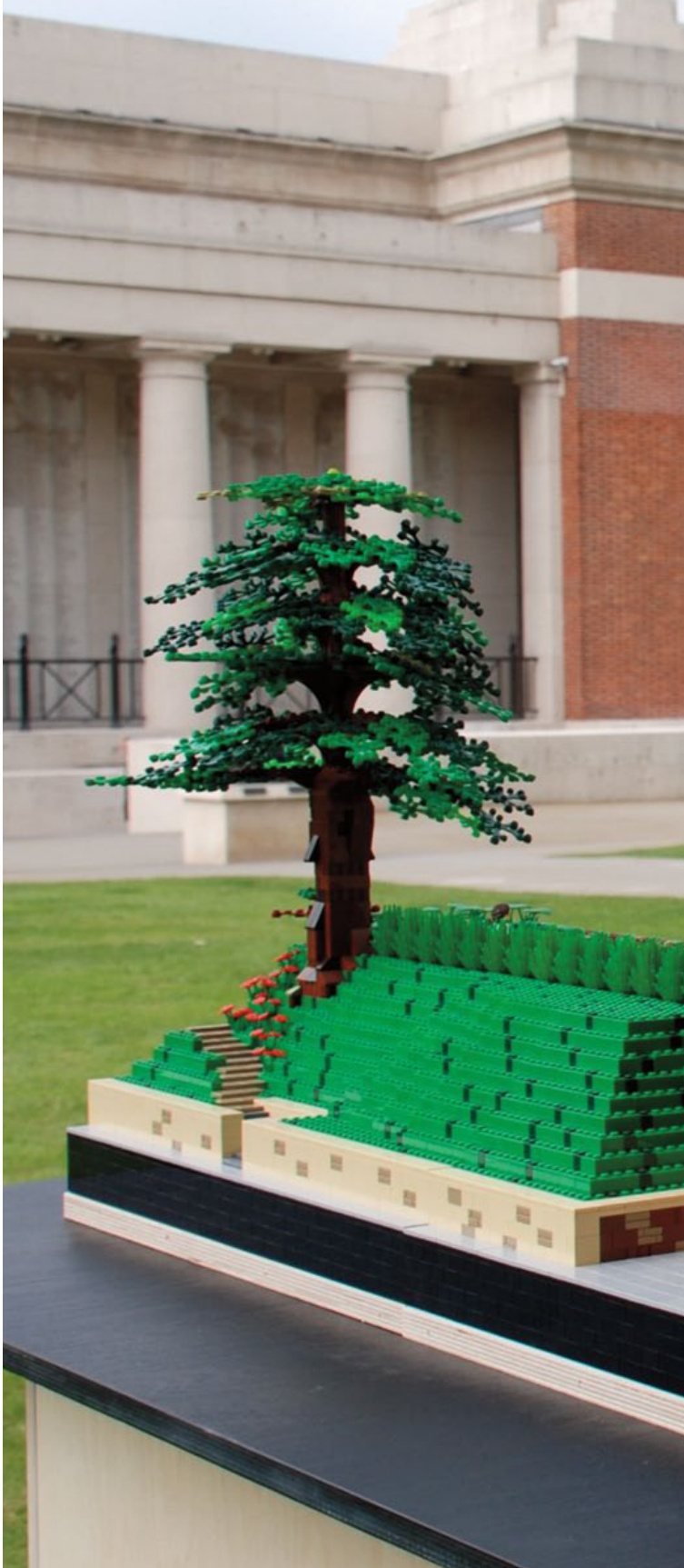
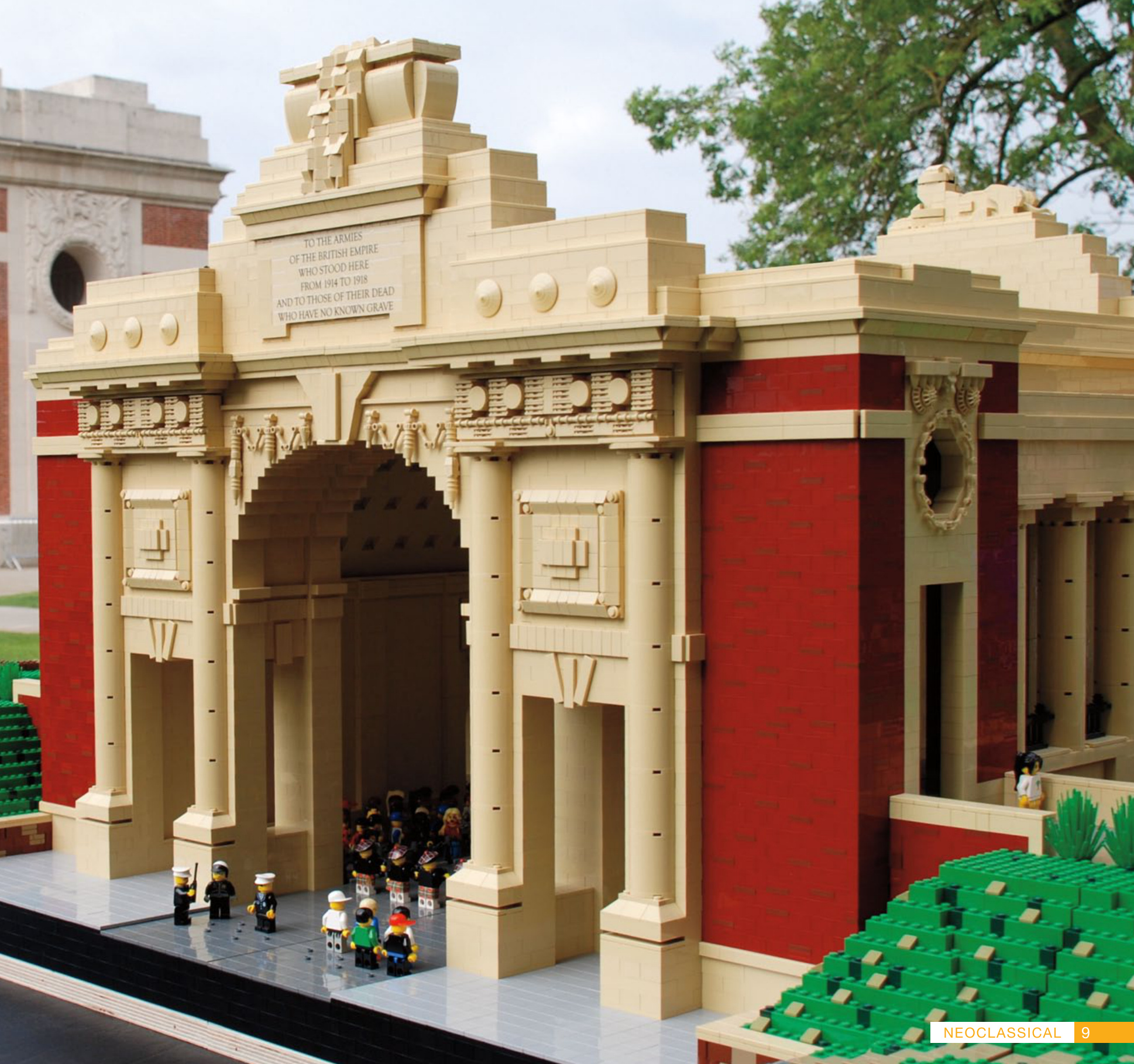
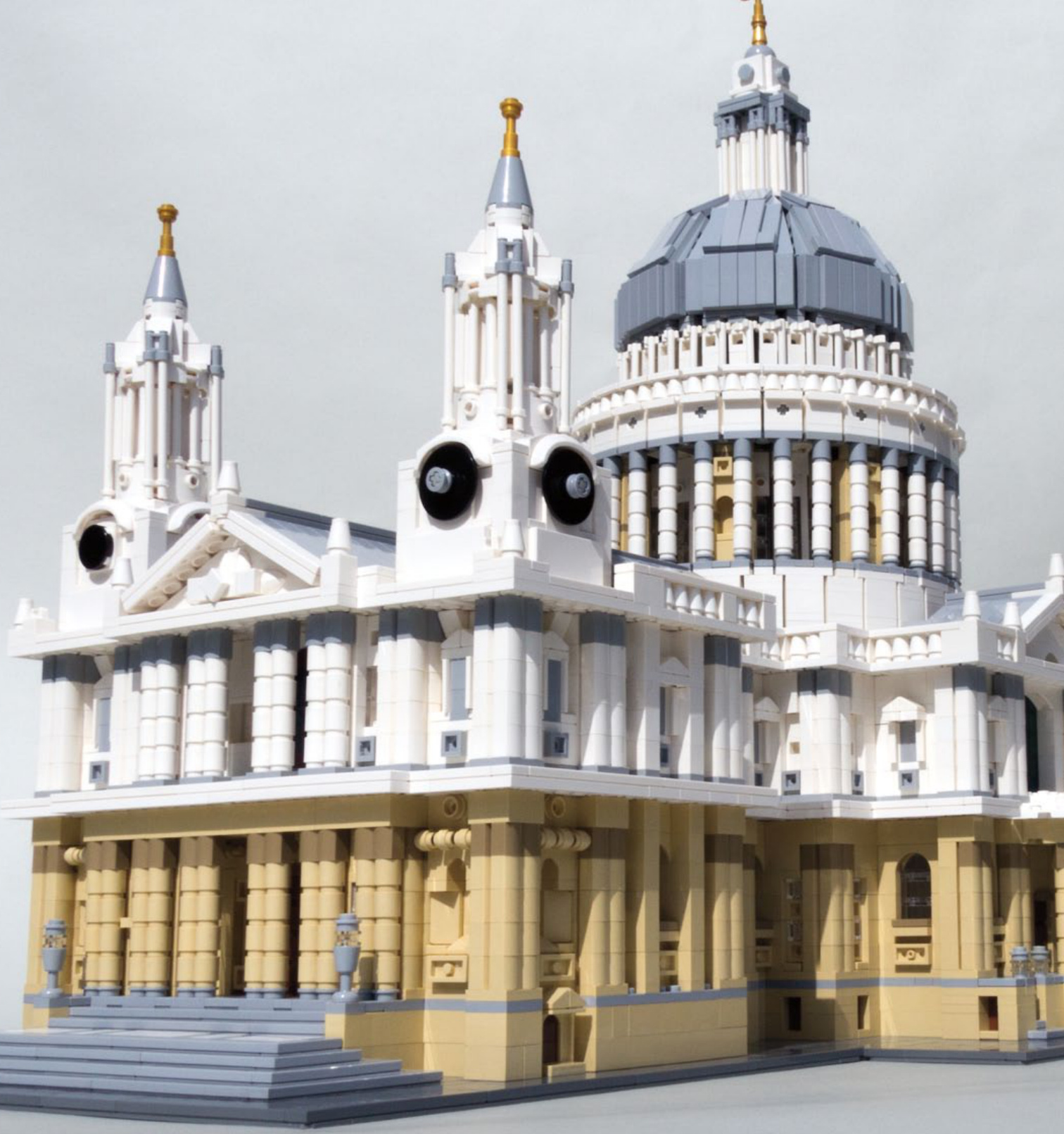
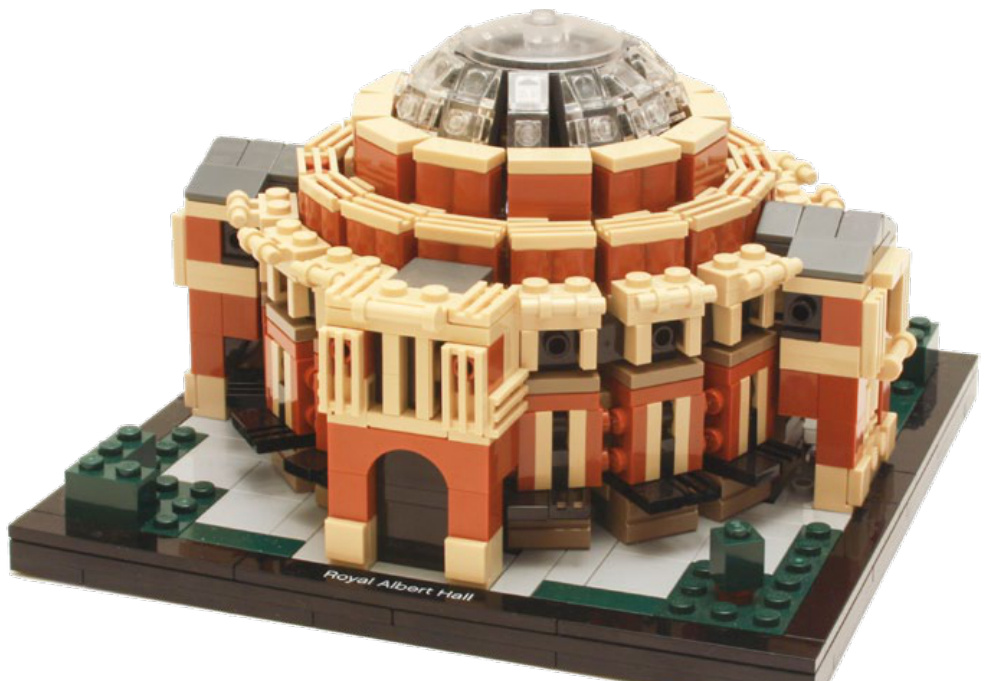
Royal Albert Hall of Arts and Sciences London, United Kingdom, 1871, Captain Francis Fowke and Major-General Henry Y.D. Scott, Royal Engineers. LEGO model by Phil Raines and Deborah Hope.
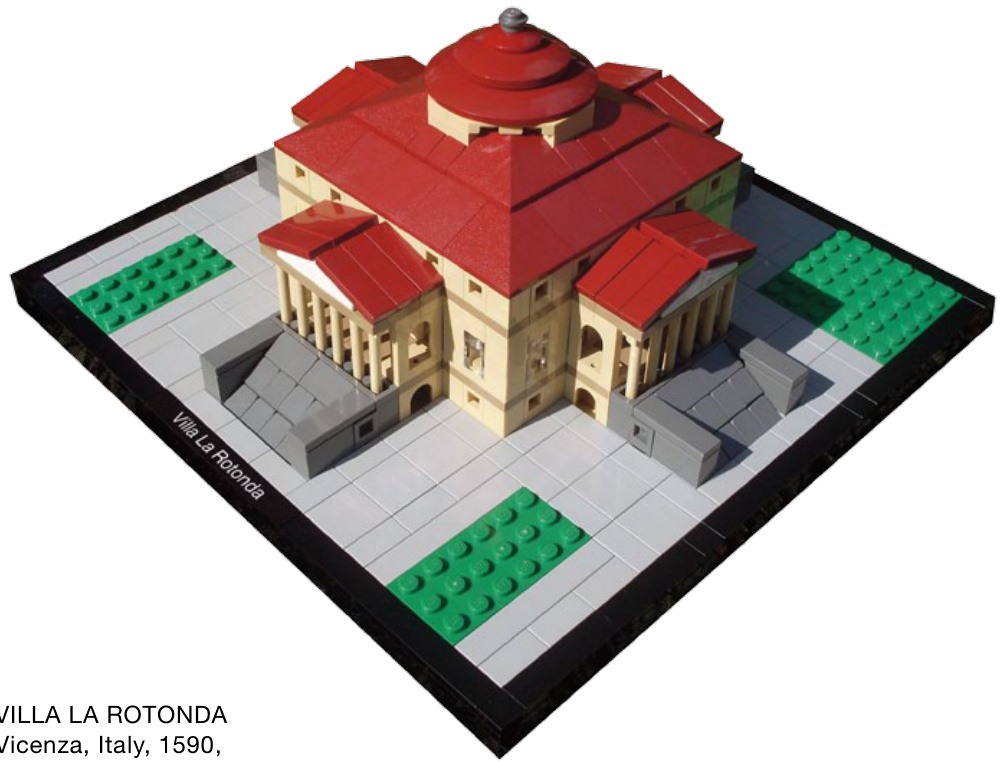
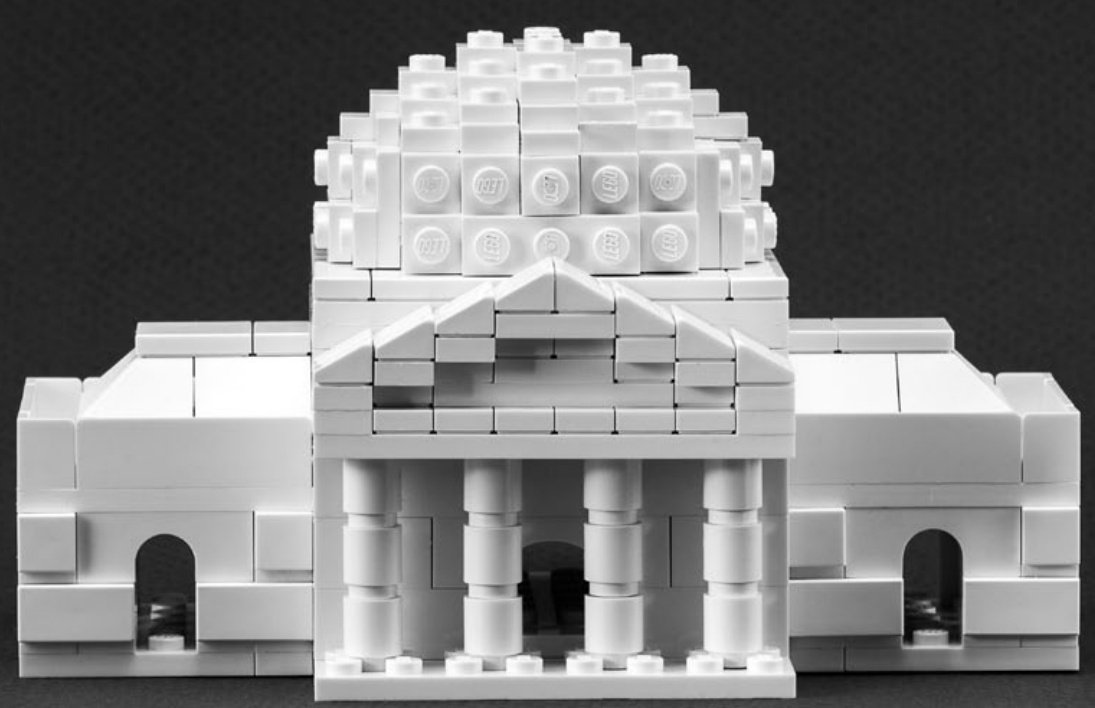
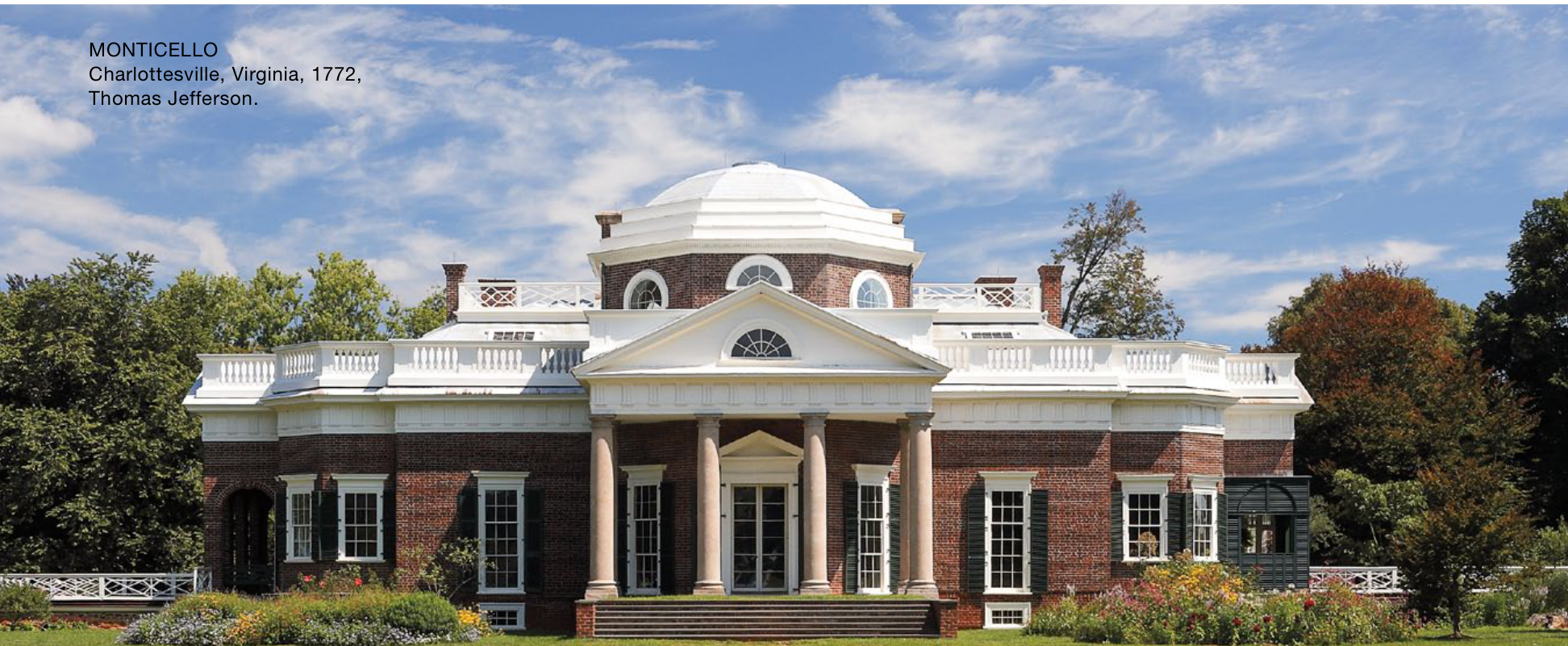
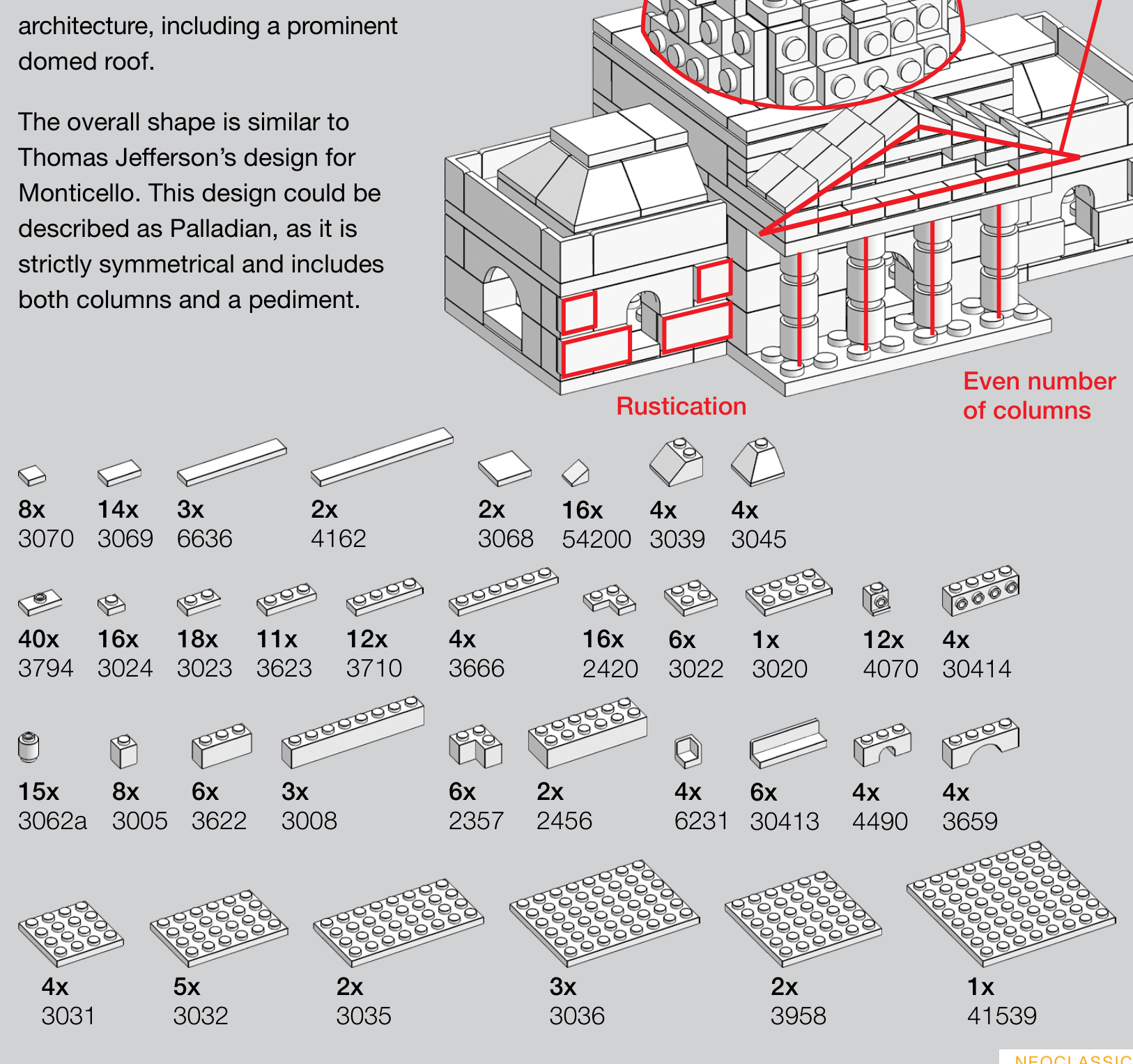
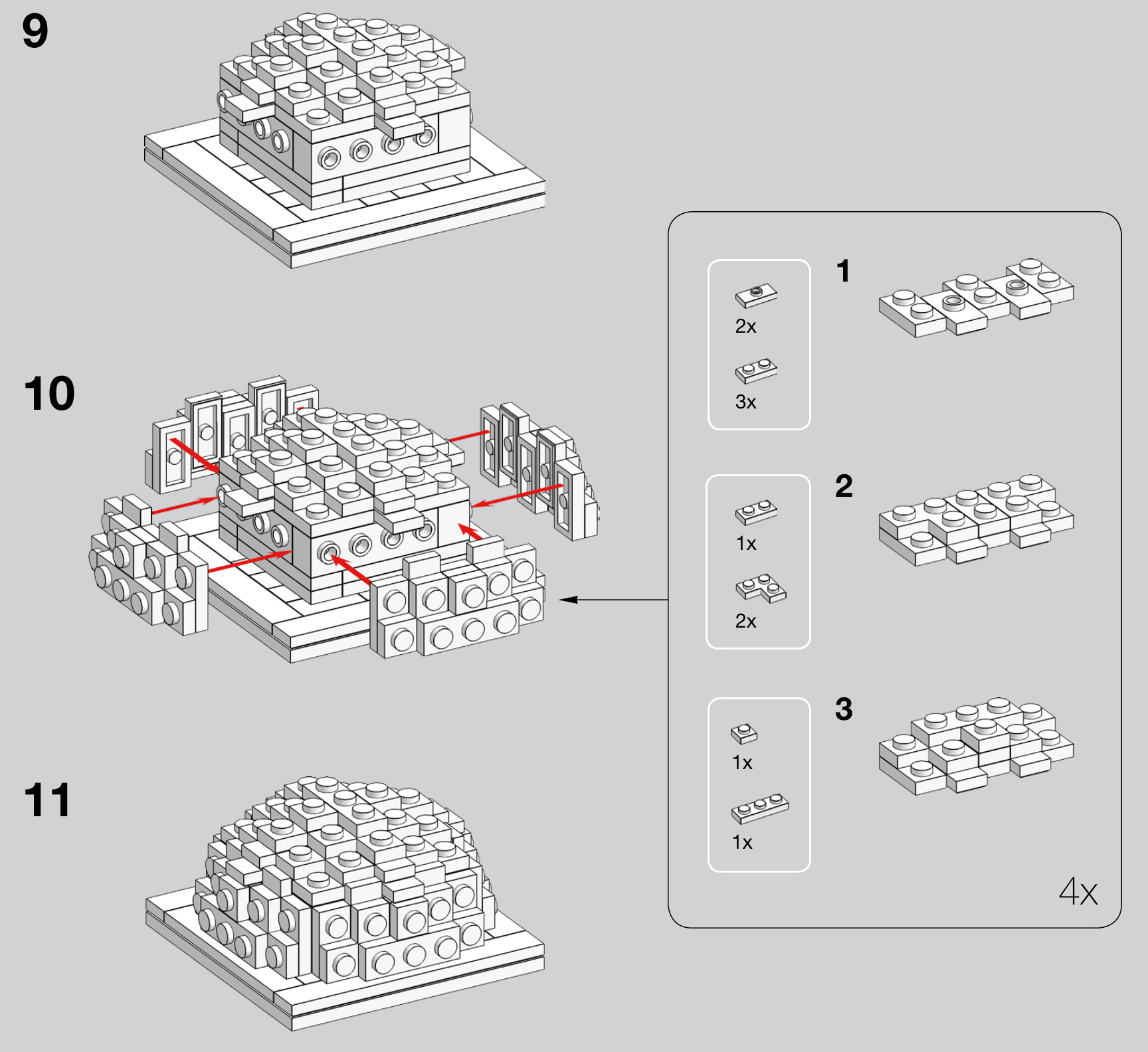
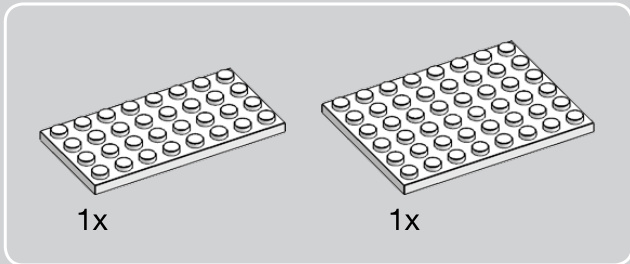
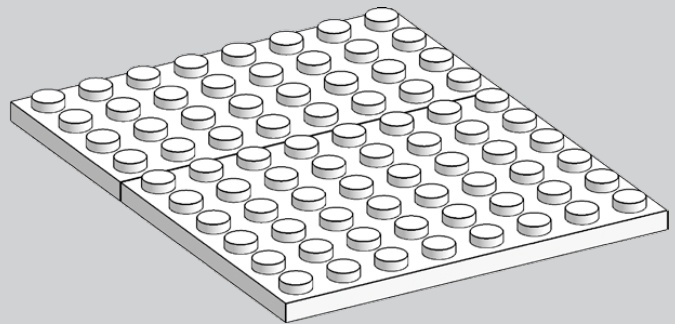
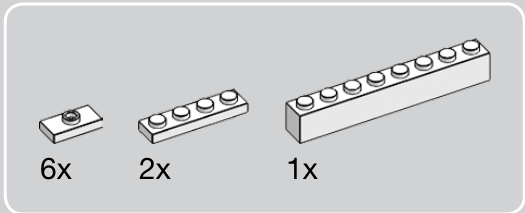
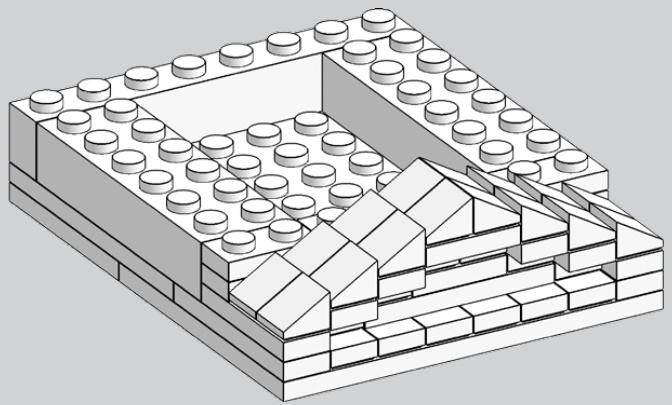
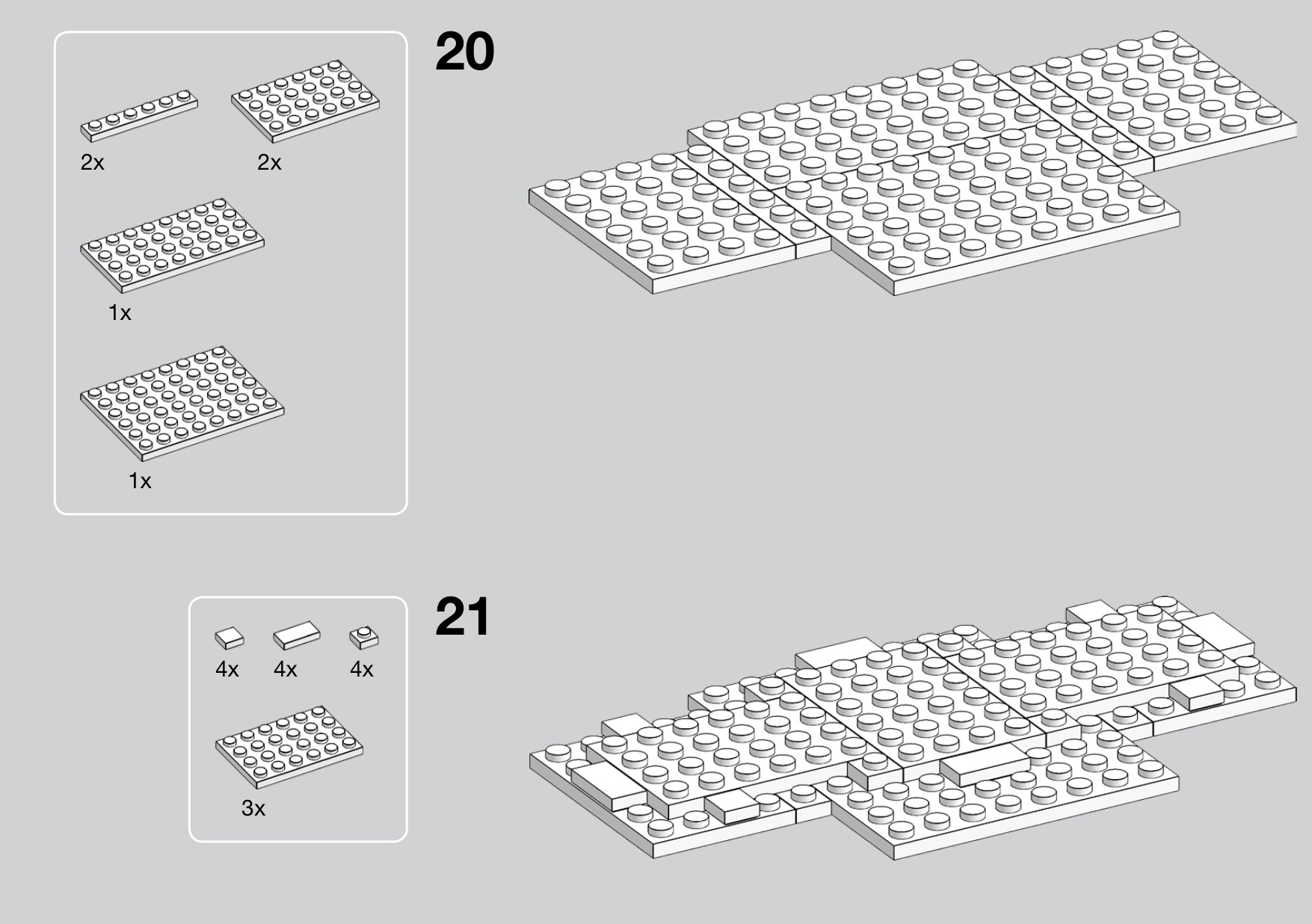
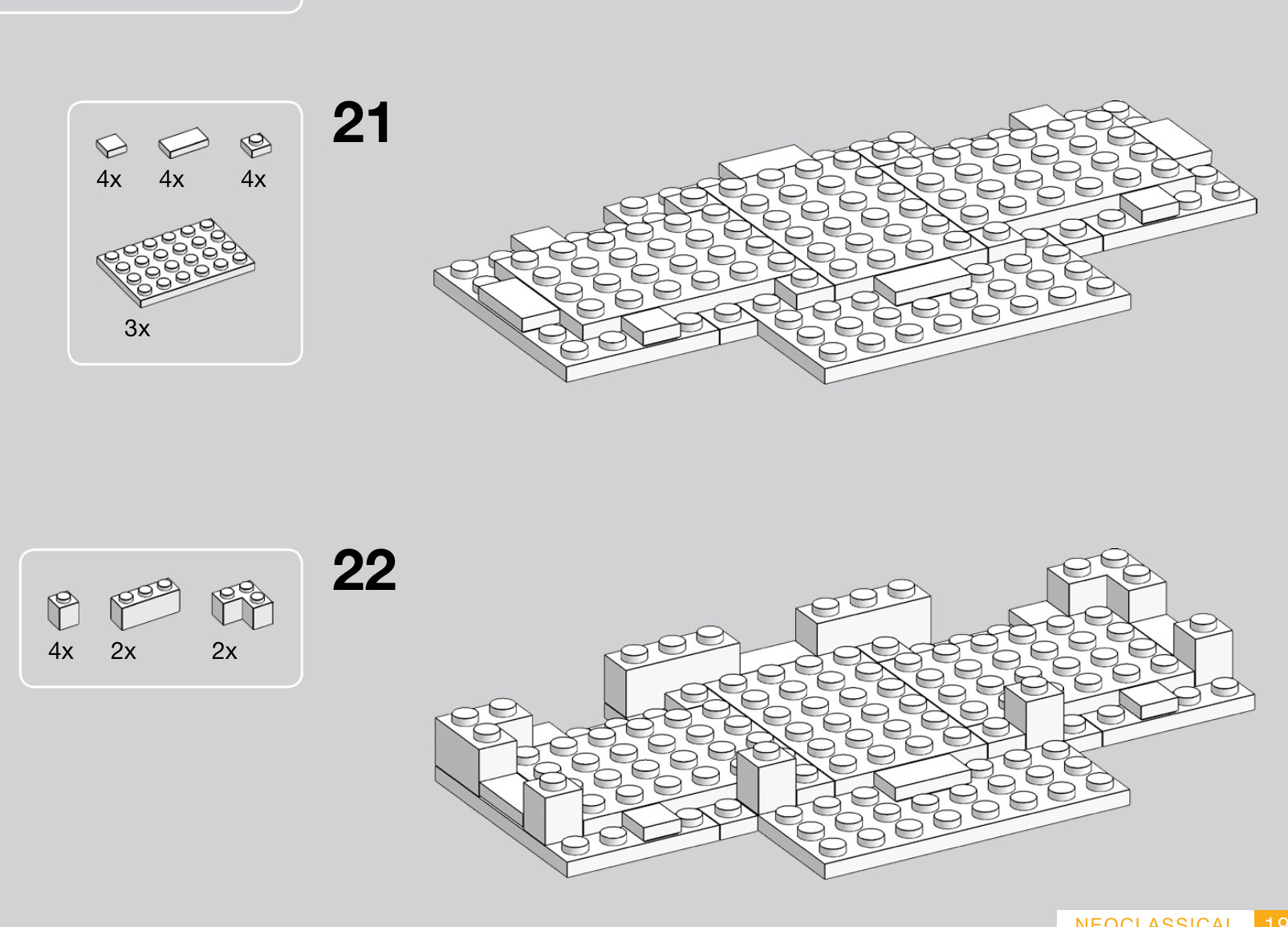
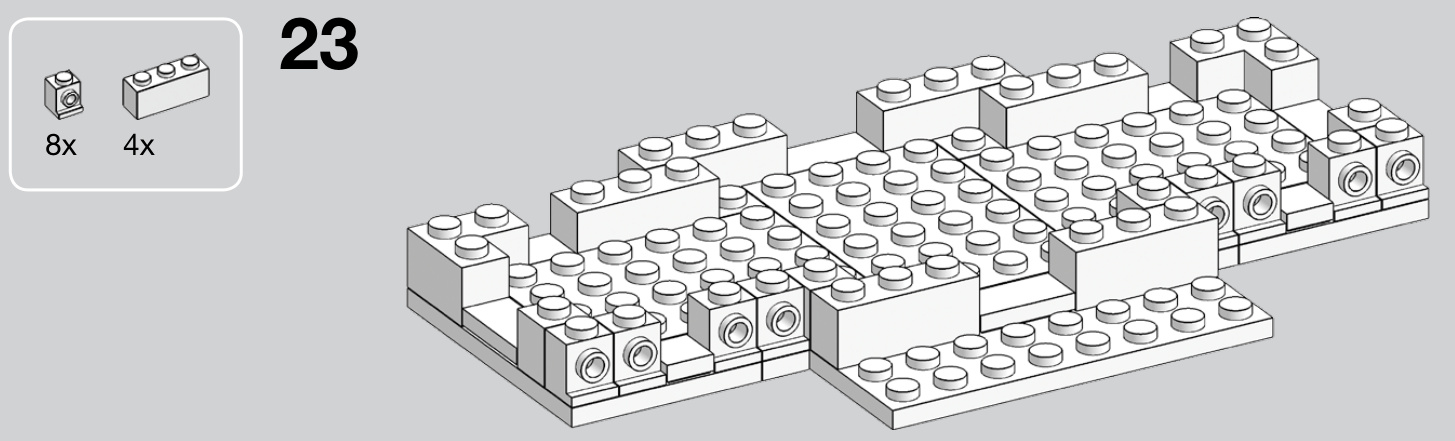
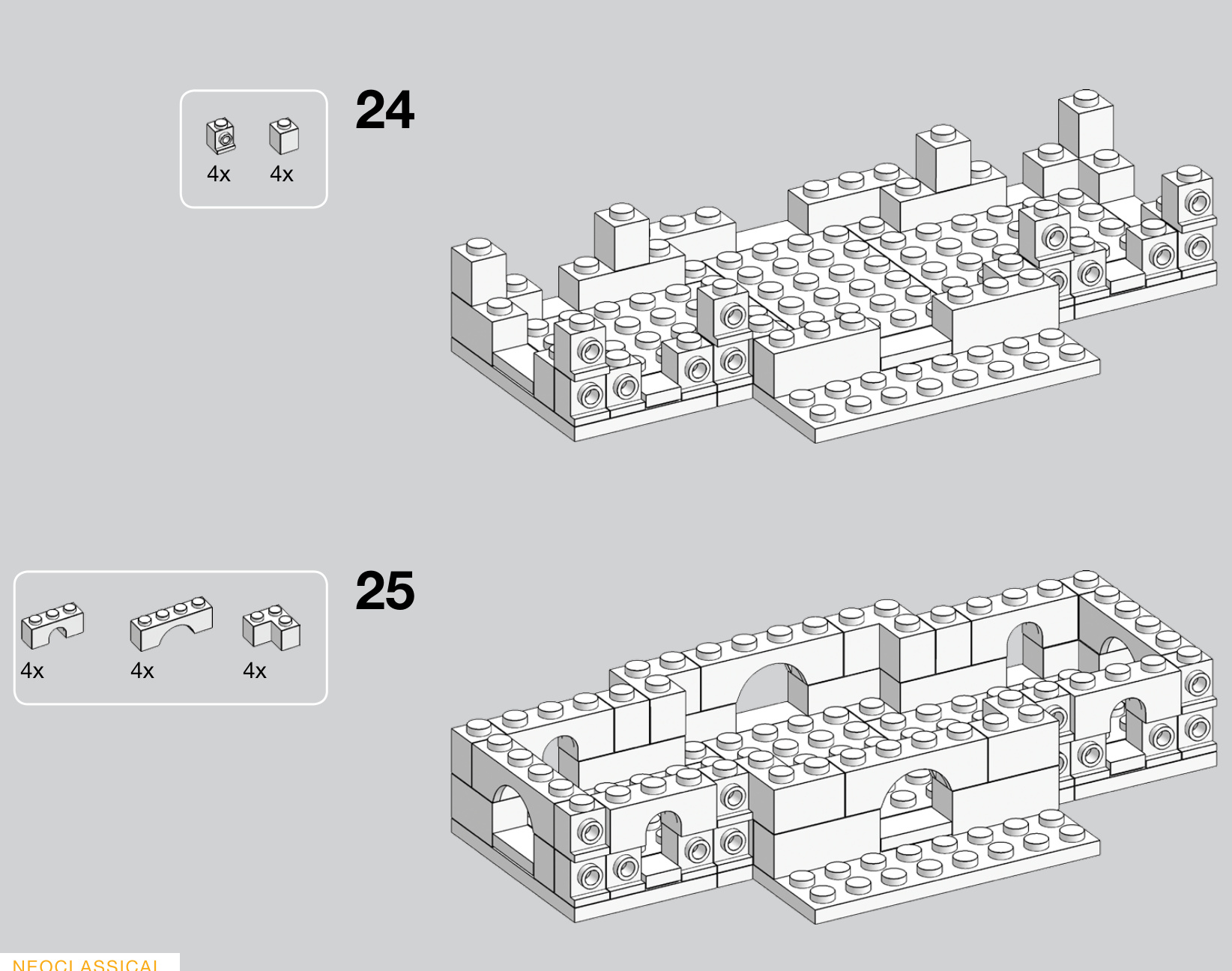
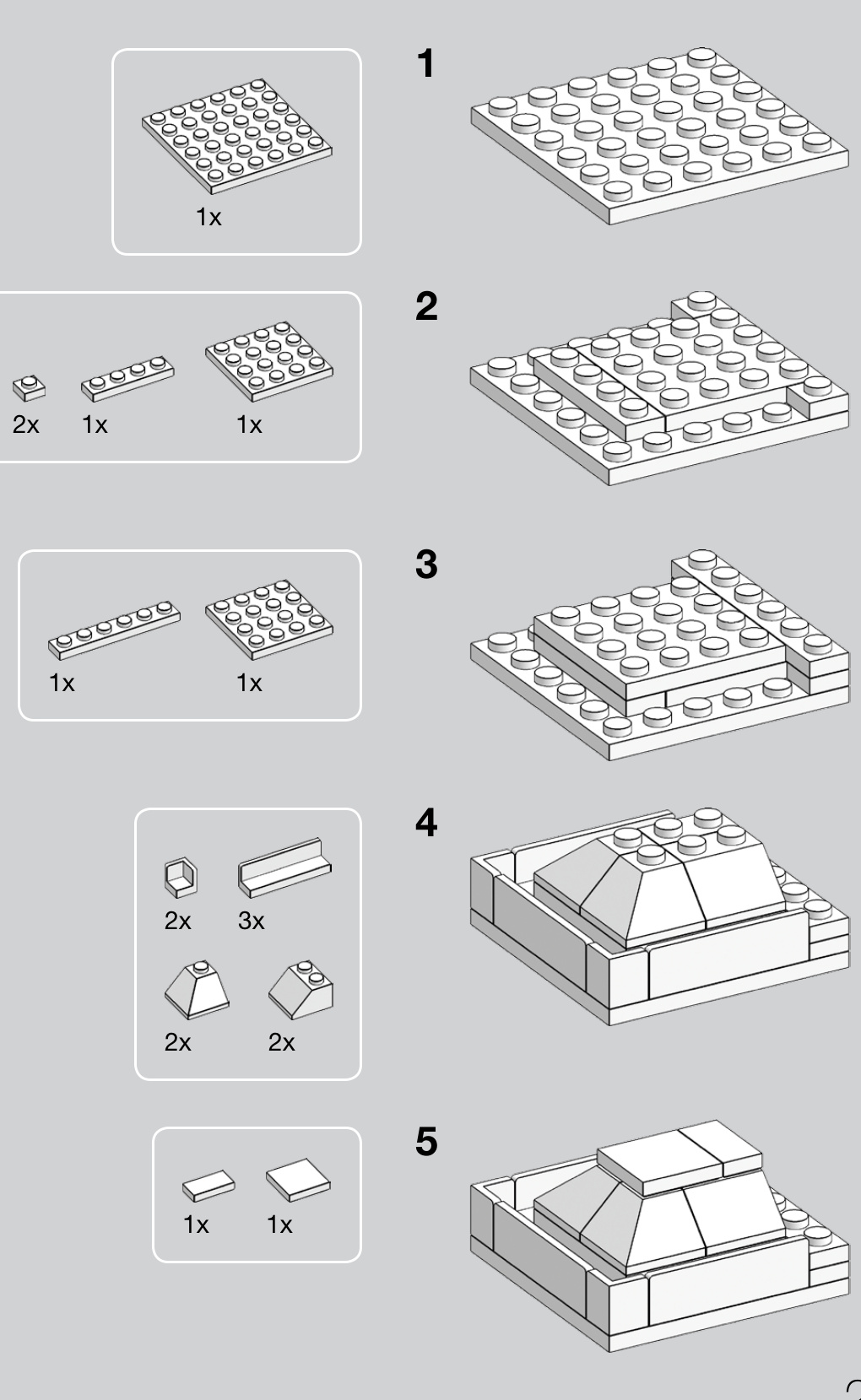
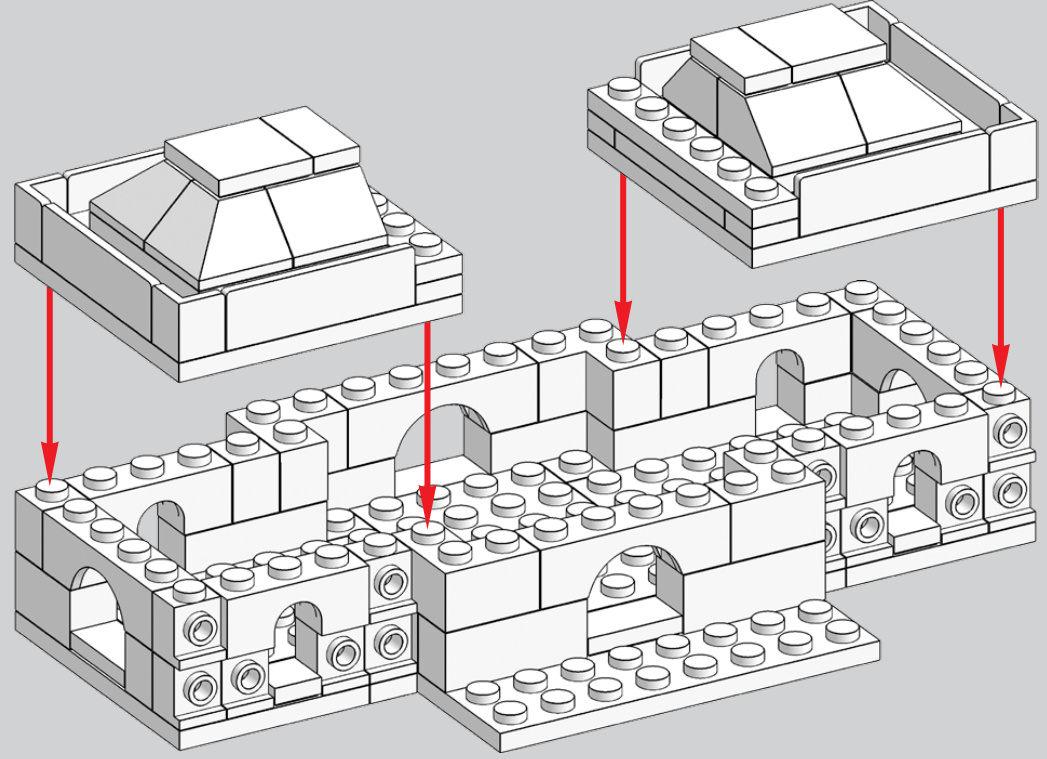
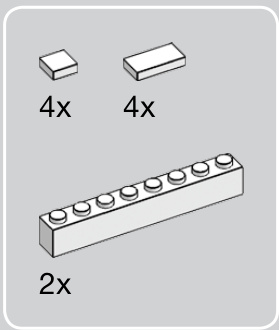
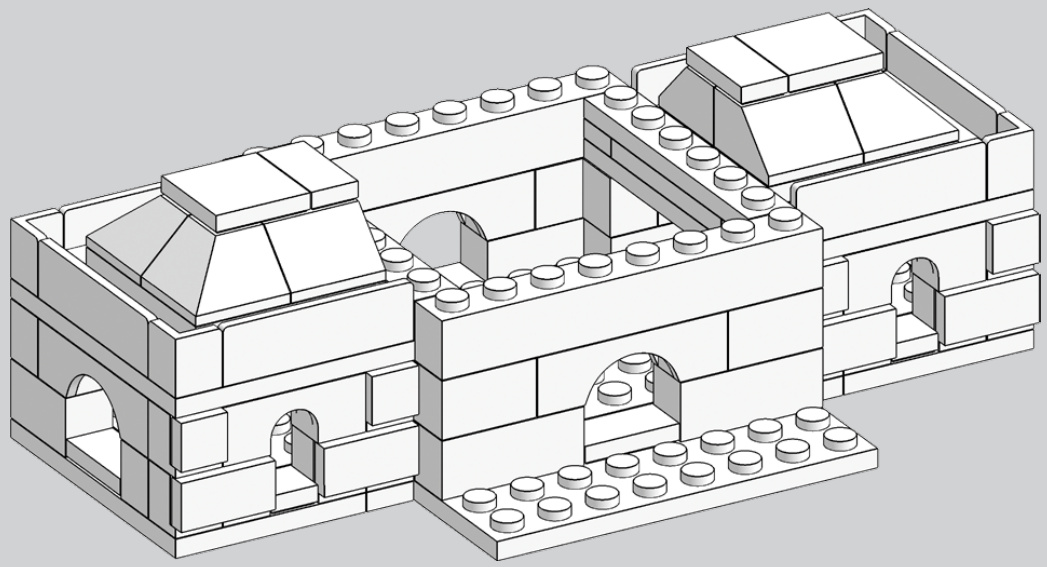
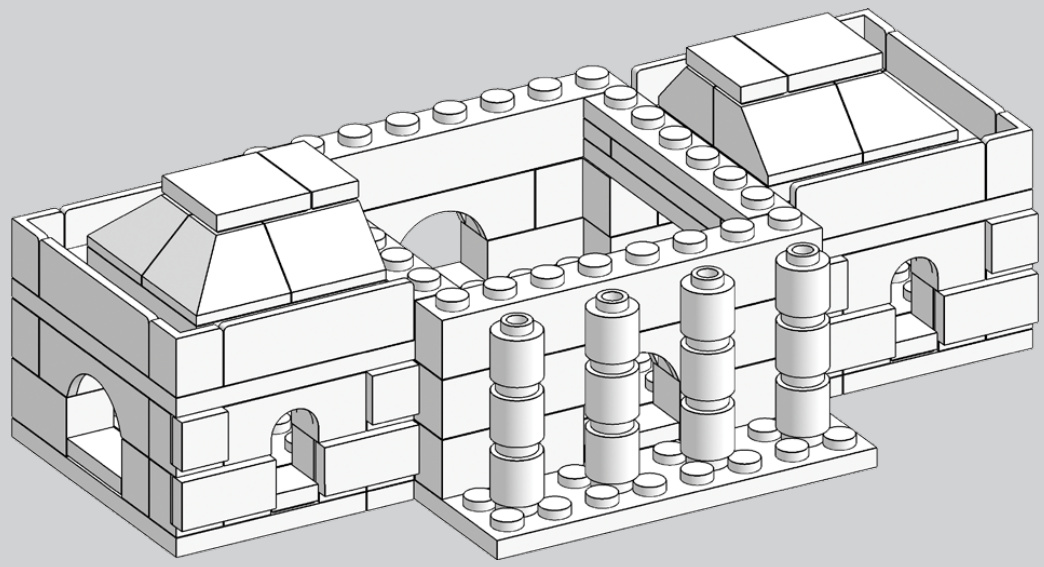
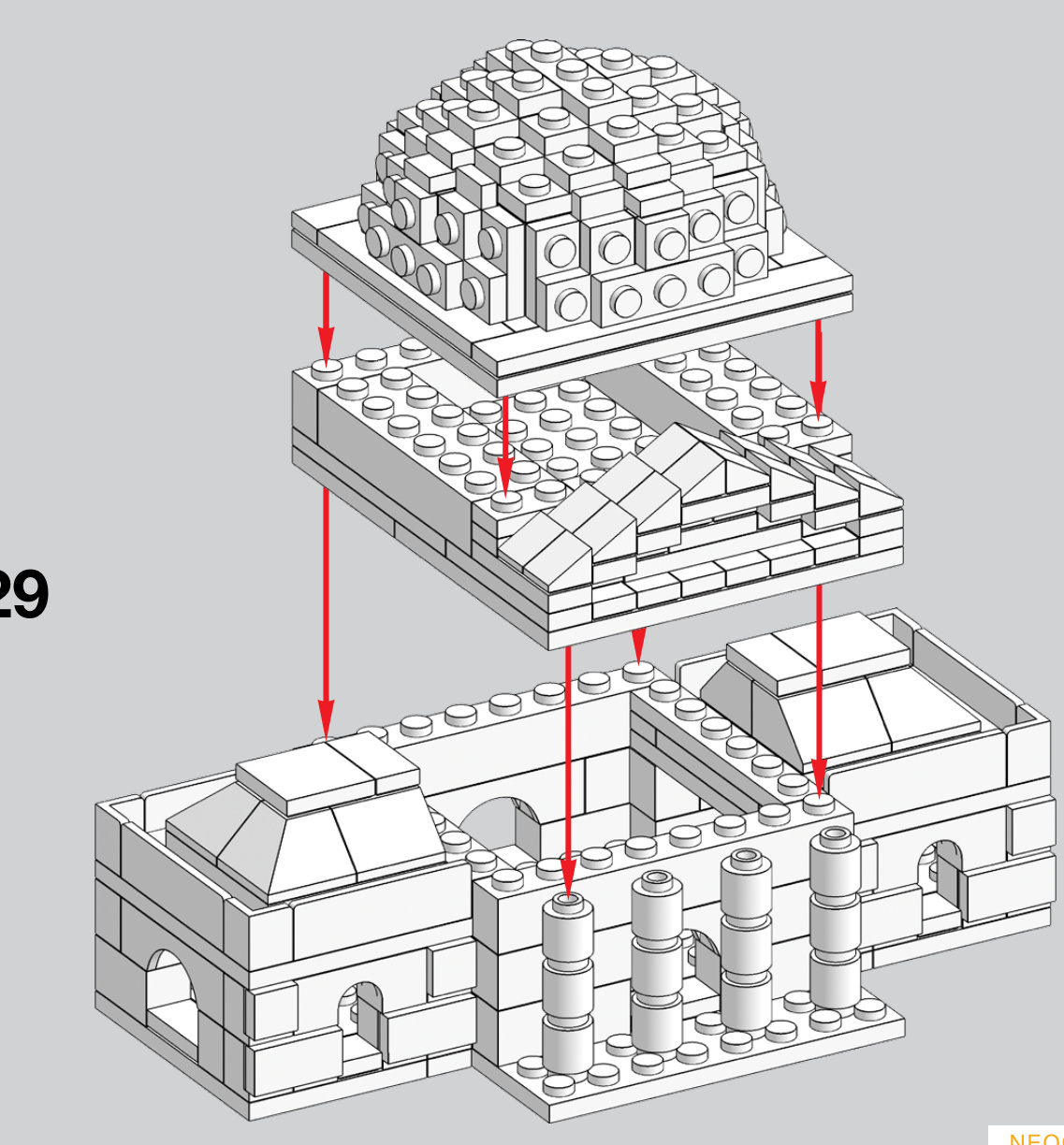
Domed Building
This model includes many iconic elements of Neoclassical
1
2
3
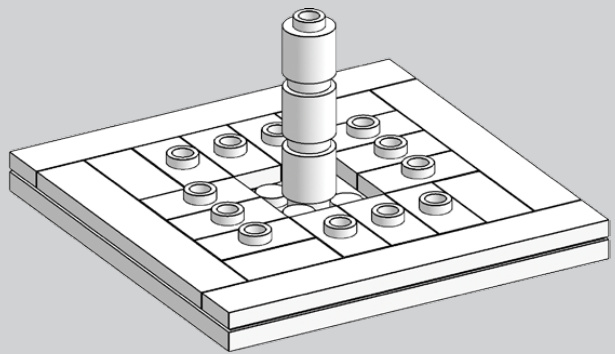
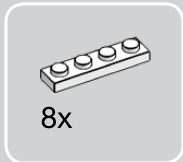
4
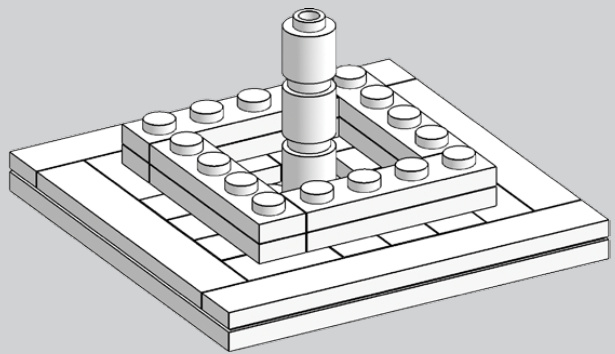
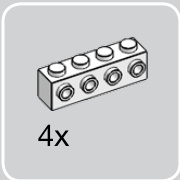
5
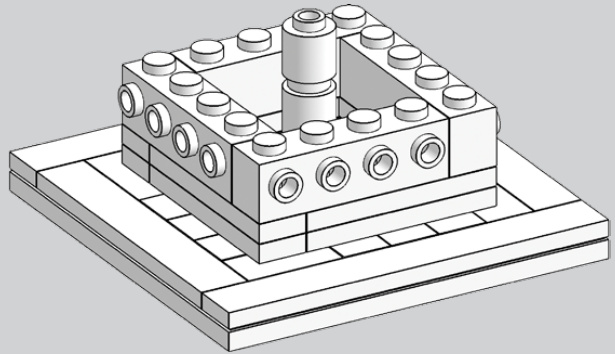
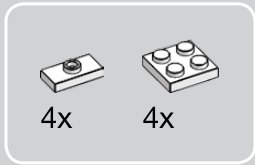
6
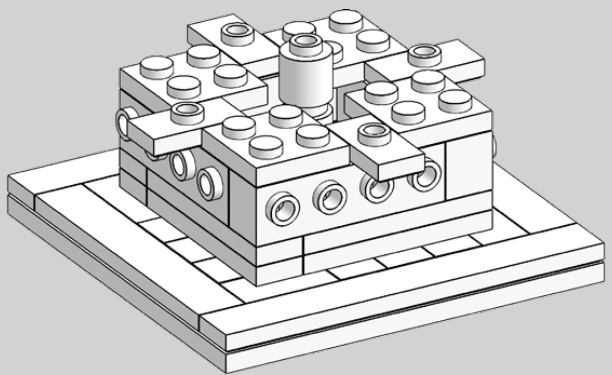
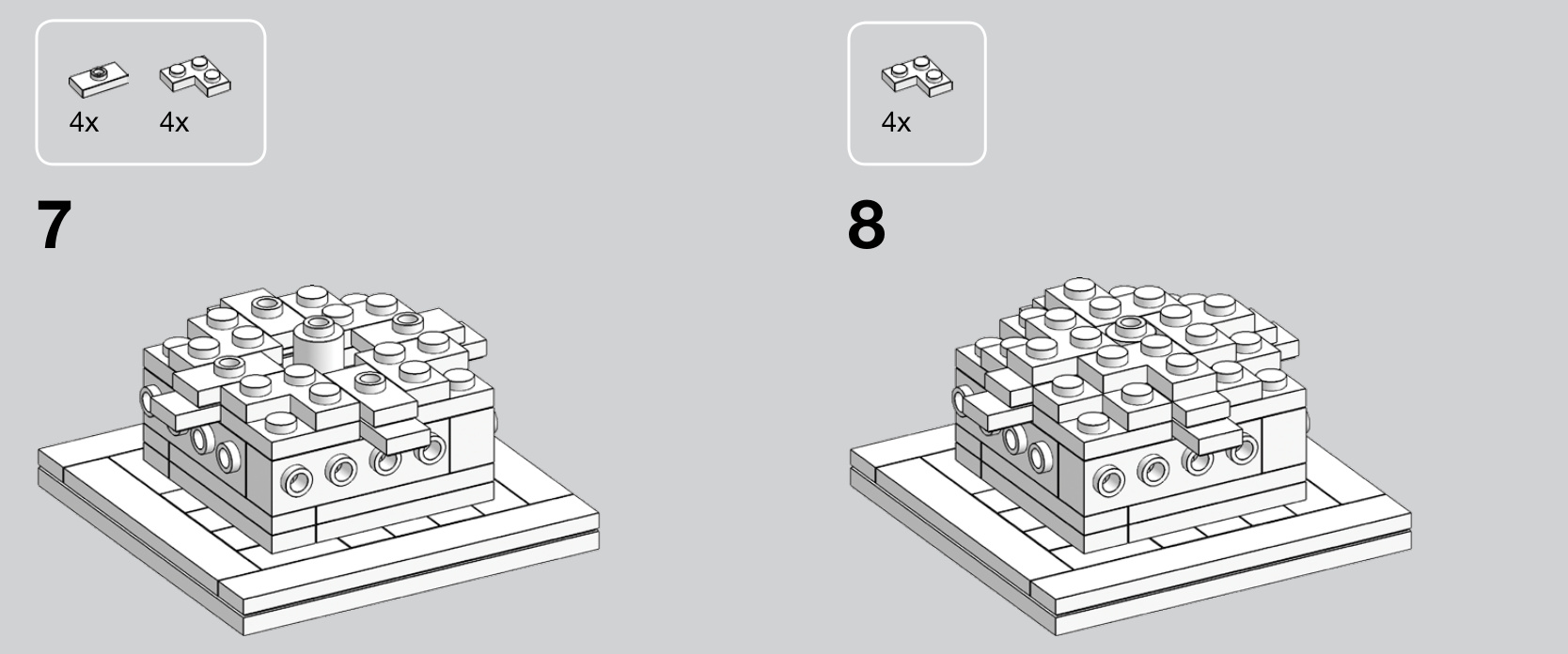
12
14
13
15
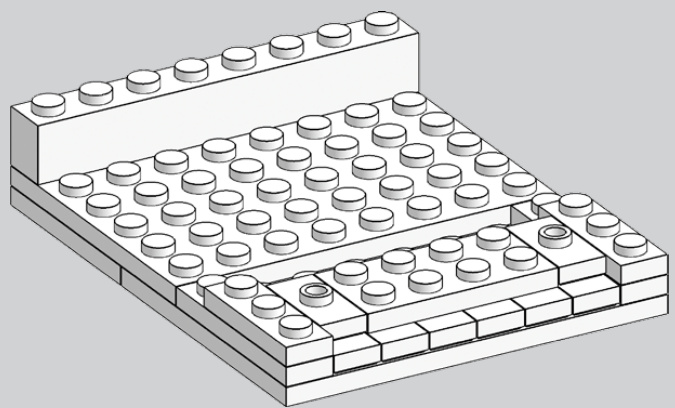
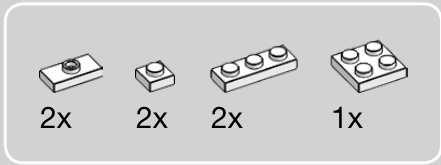
16
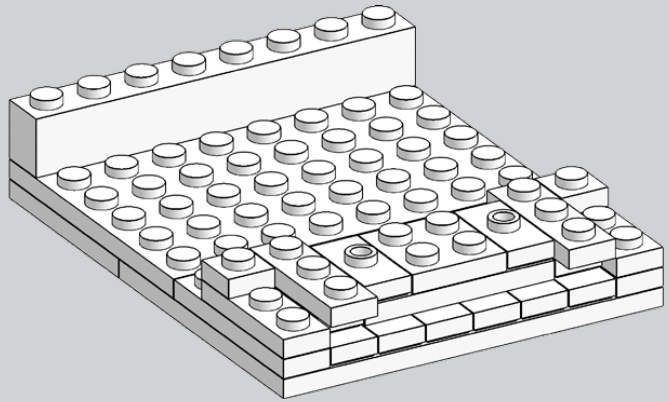
18
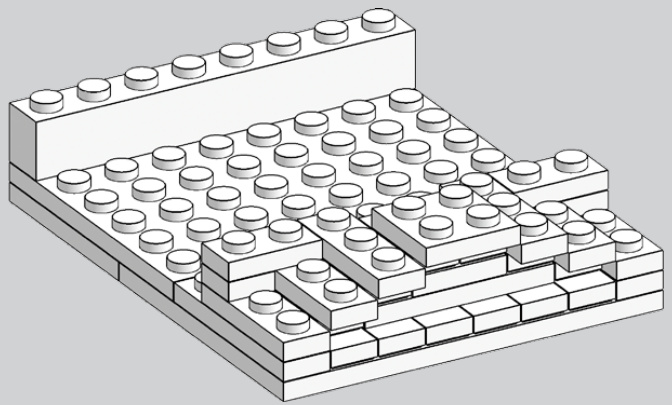
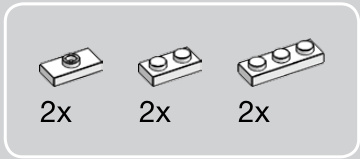
17
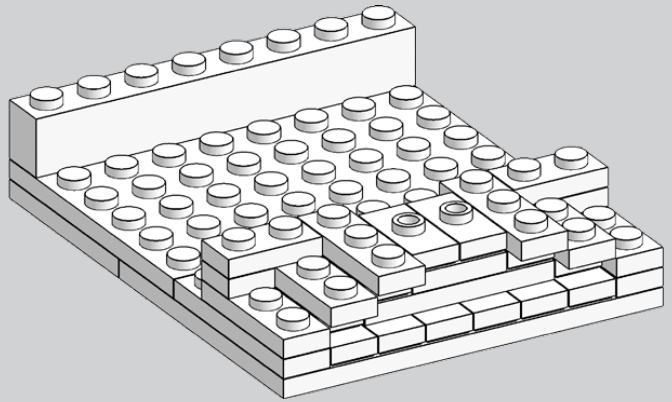
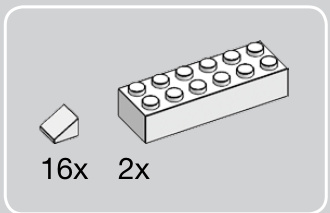
19
27
Prairie
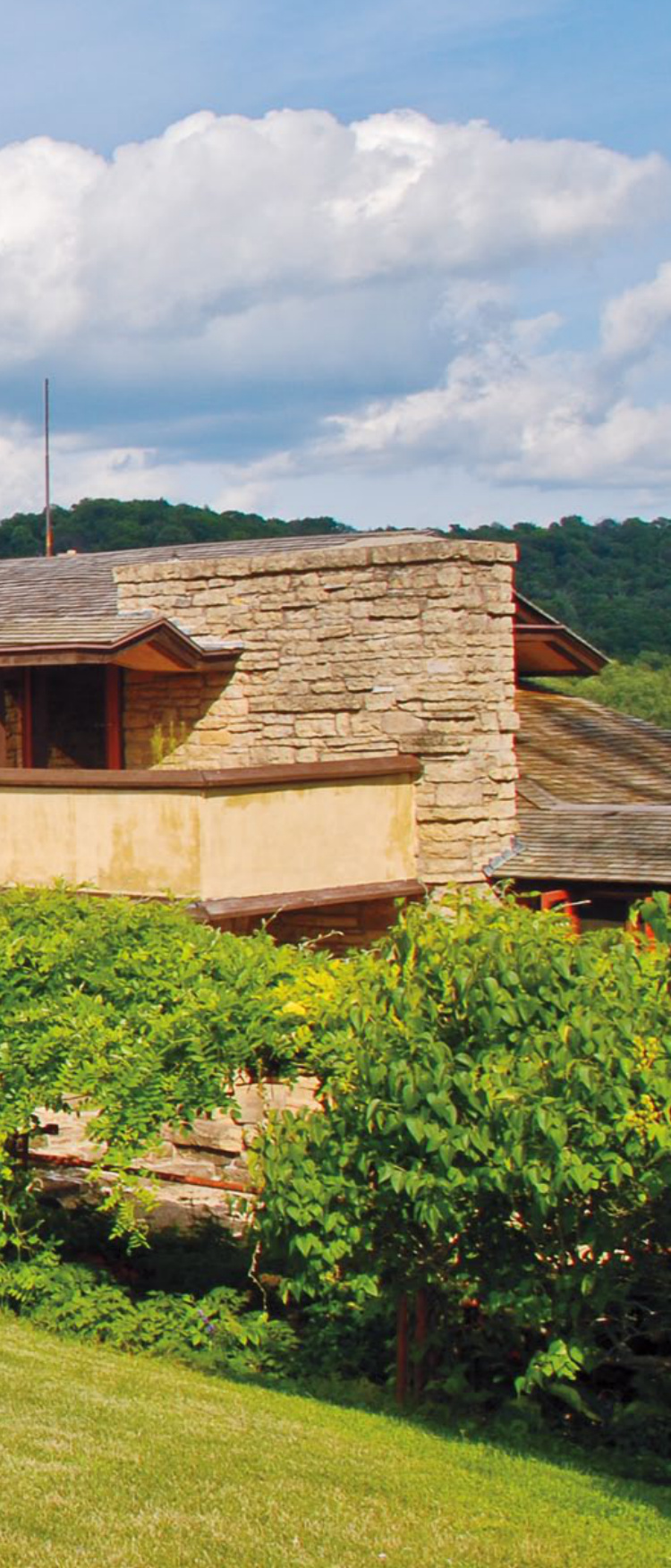
The seemingly limitless expanses of the American West inspired a new architectural style, which emphasizes horizontal lines, open floor plans, and a connection with nature. This new Prairie style was pioneered by Chicago architect Frank Lloyd Wright, but many other architects designed buildings in the style as it gained popularity within the Midwest and beyond.
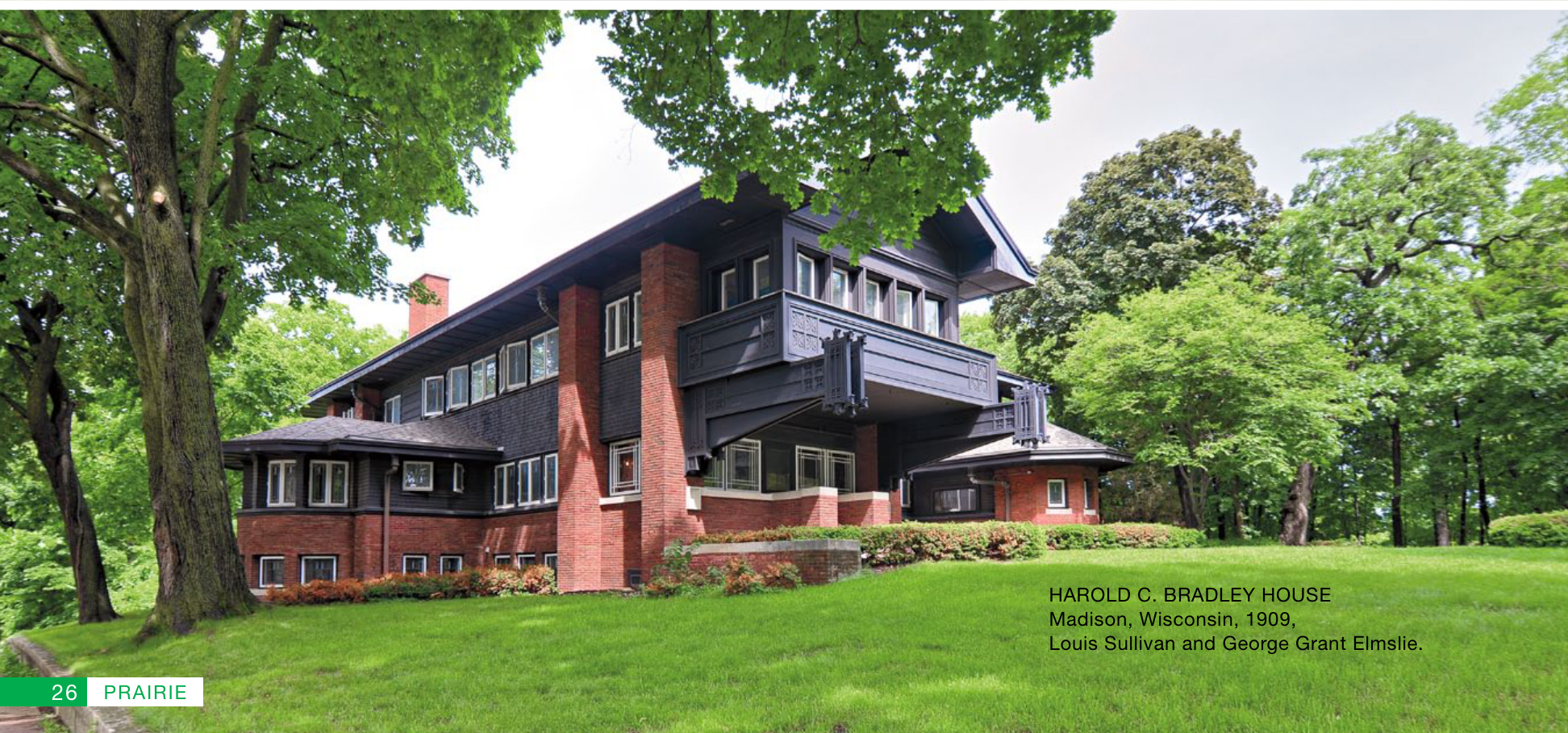
Frank Lloyd Wright began his career working in the office of Louis Sullivan, whose office buildings were an early precursor to Modernism. Wright left Sullivan’s office to design comfortable homes in the suburbs of Chicago, creating the Prairie style.
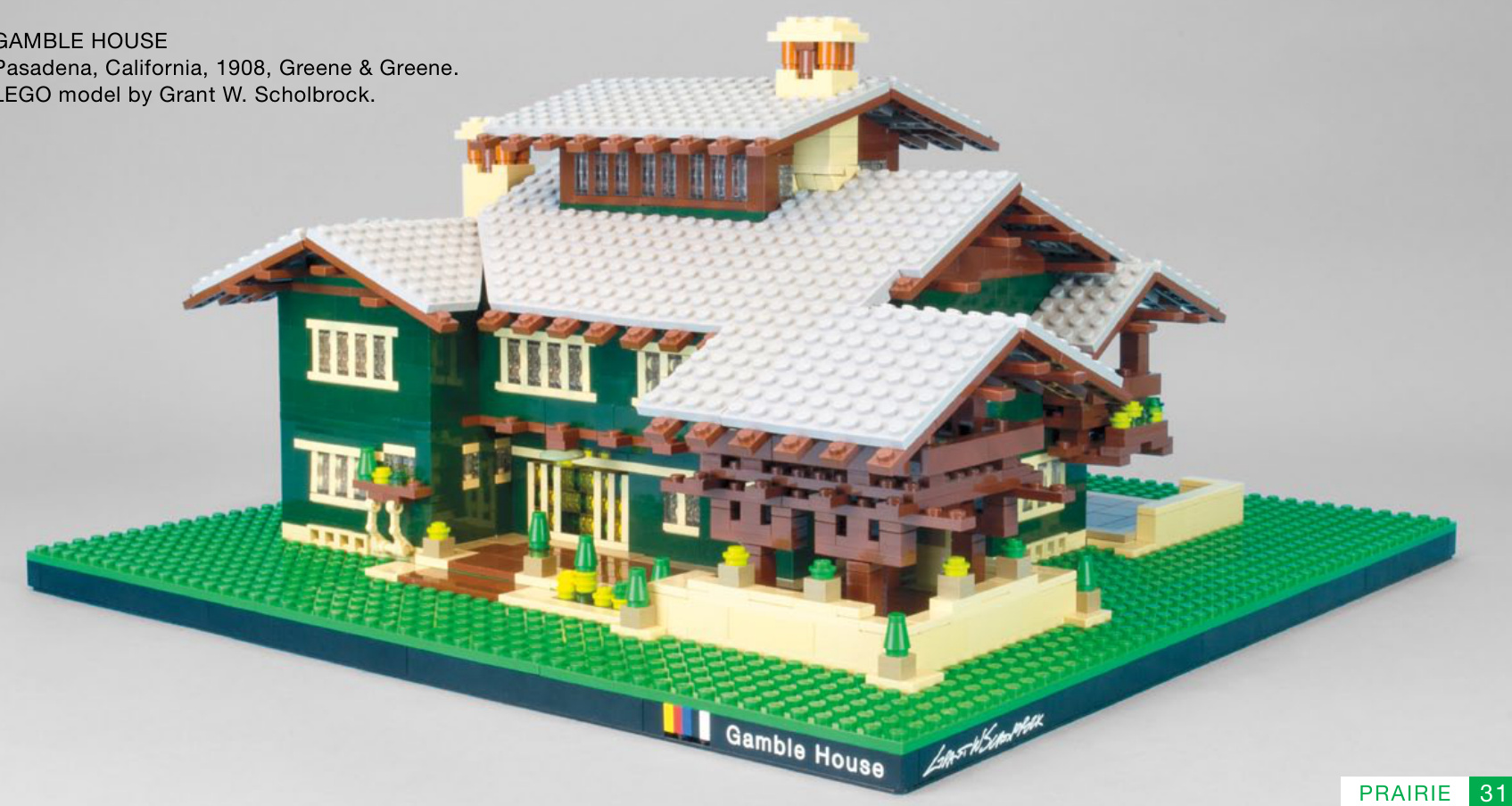
The Prairie style was inspired by the Arts and Crafts movement, which celebrated traditional handcrafted construction using natural materials as a reaction against industrialization. The Arts and Crafts style was popular in the 1890s in Britain but is also found in the United States—for example, the exquisite Gamble House (1908) in Pasadena, California. The Prairie style was also influenced by the open floor plans of traditional Japanese architecture.
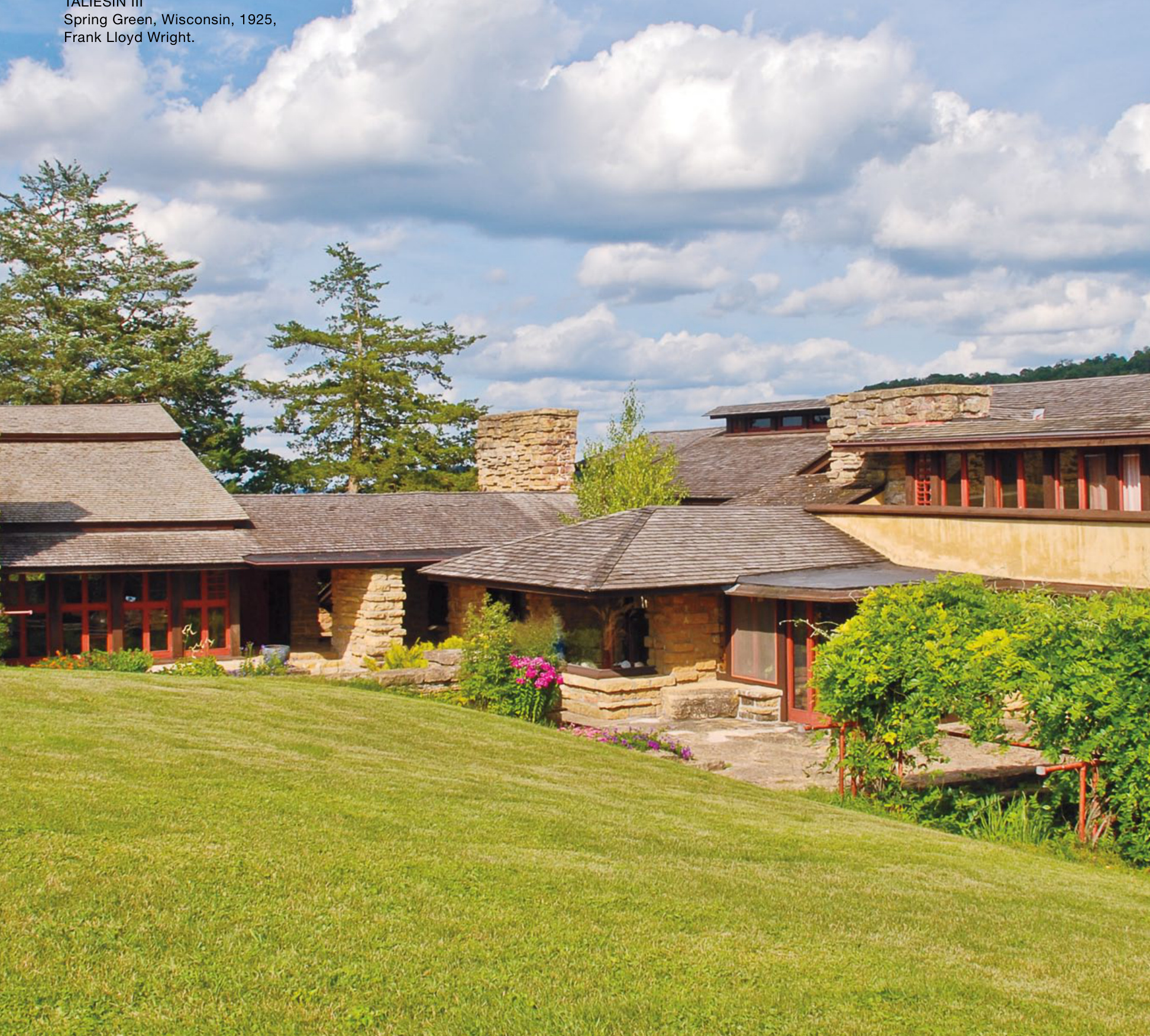
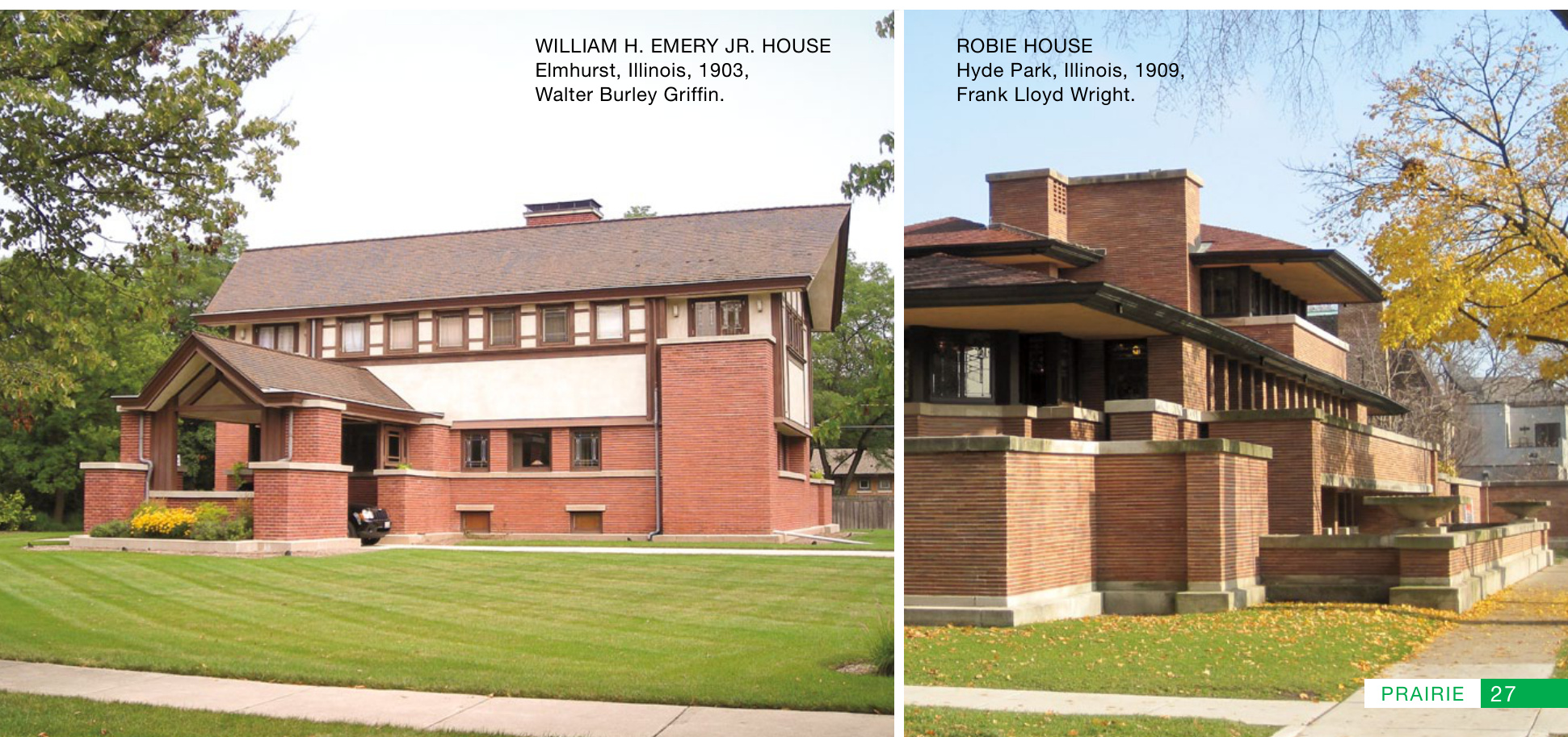
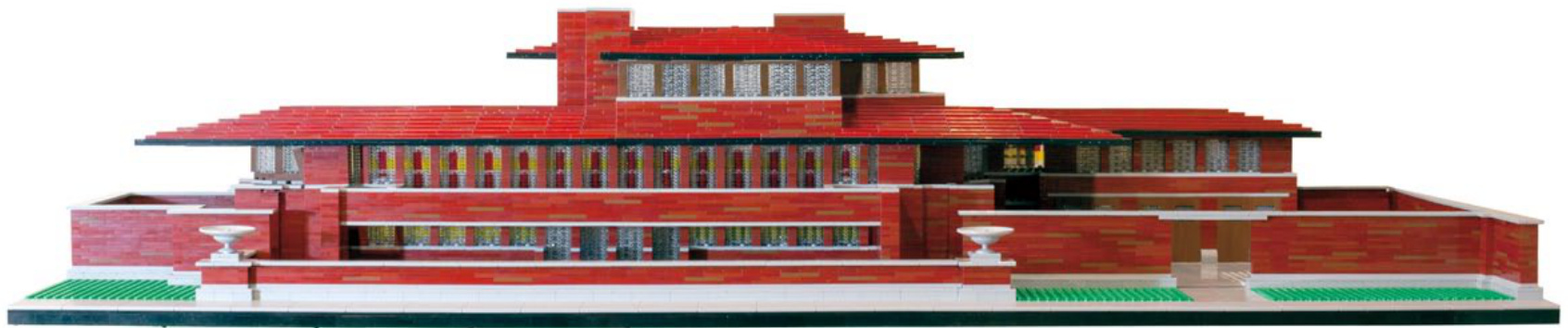
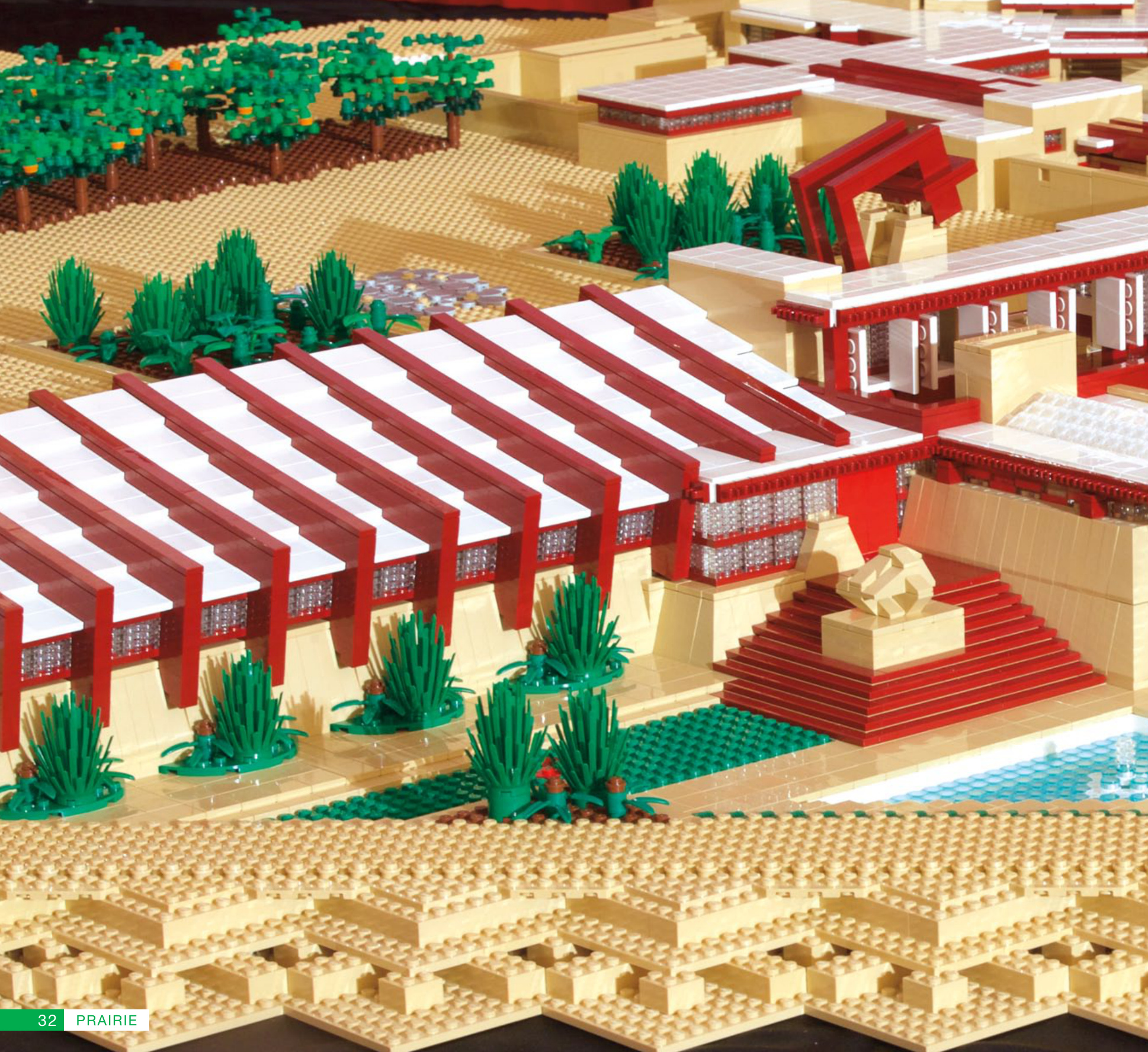
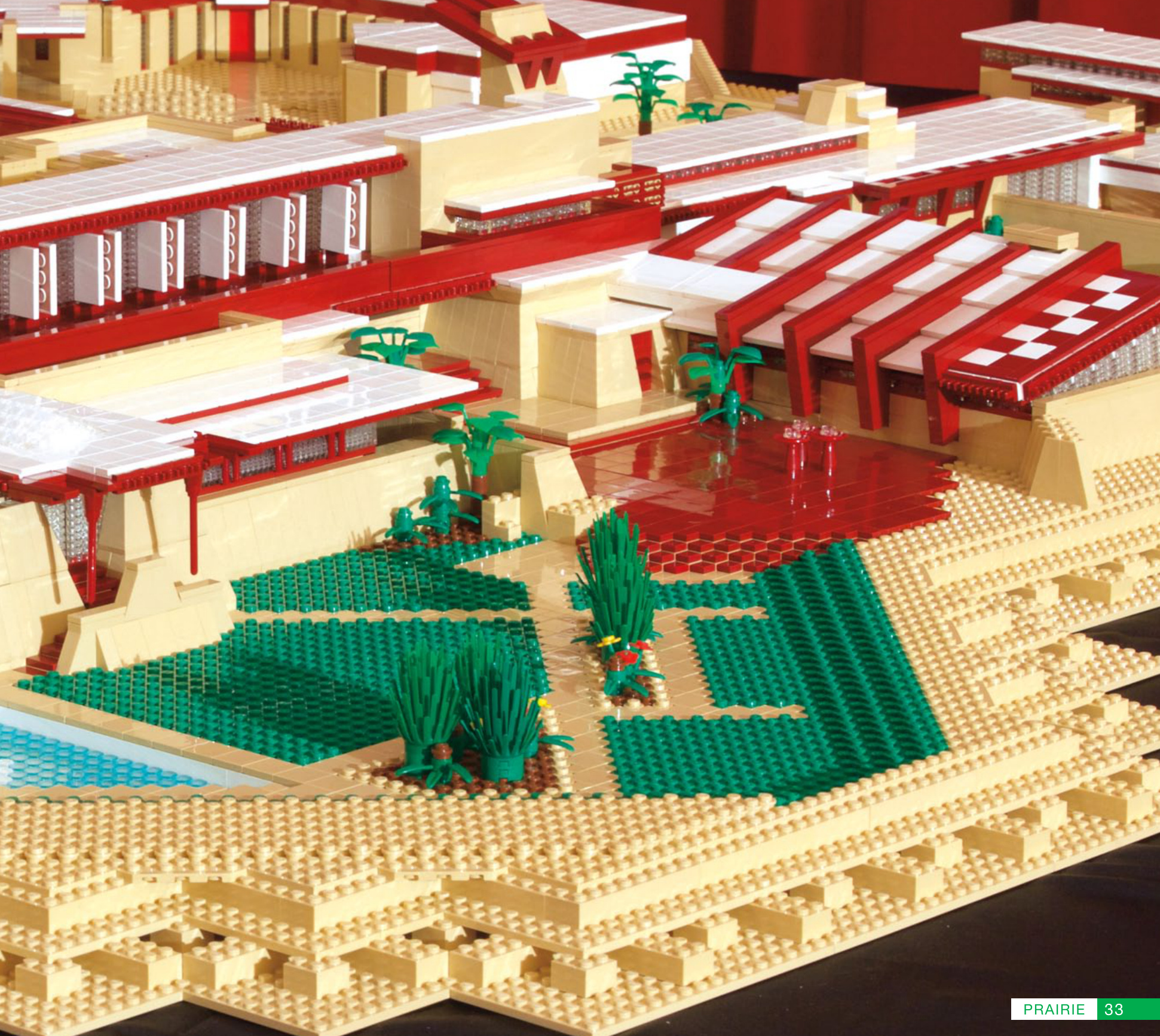
Wright’s Prairie homes include the Robie House (1909), a massive rectangular home executed with precision brickwork and interior details. By contrast, Taliesin (1911, 1925), the private retreat Wright built for himself in Wisconsin, is a rambling complex of loosely coupled spaces built near the top of a hill where its occupants could enjoy the panoramic views. A signature design element in Wright’s homes is a hidden entrance with a low ceiling that gives a compressed, almost claustrophobic feeling, followed by an expansive space beyond that welcomes guests into the home.
Materials
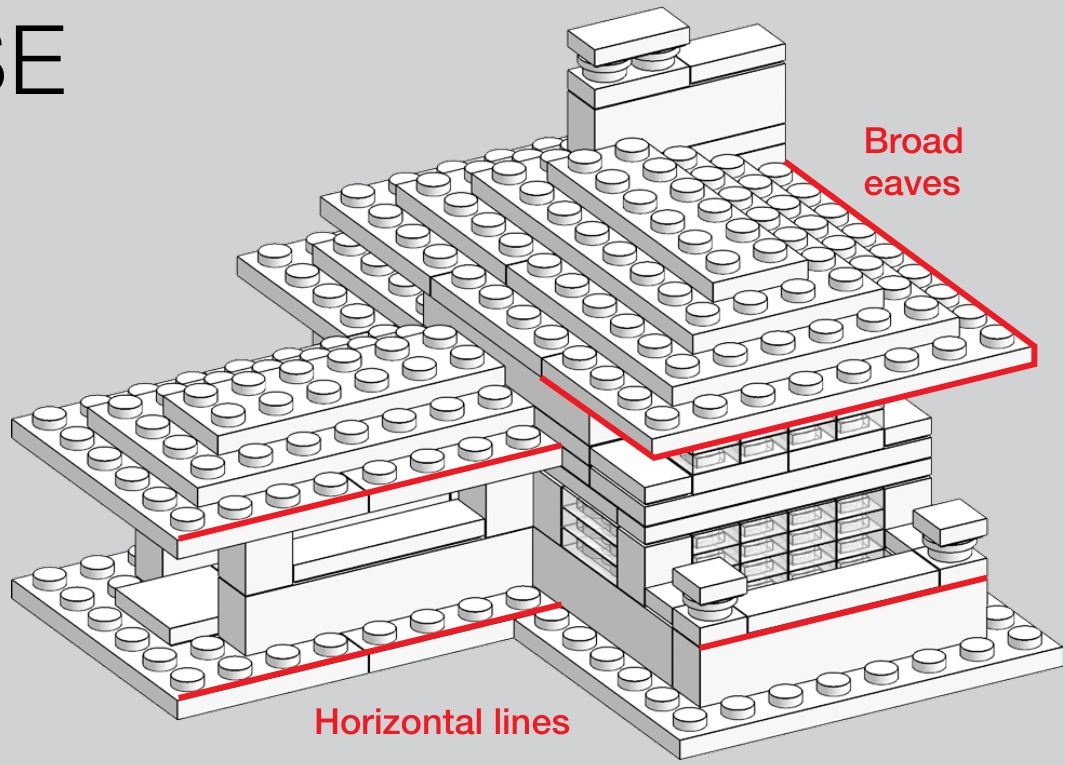
Prairie architects prefer natural materials like wood, tinted stucco, or brick. When budgets were limited, rough concrete or stucco was used. Gently sloping shingled roofs with broad overhanging eaves are common.
Another iconic element of the Prairie style is the use of intricate leadedglass windows. This is especially common in doors, but some homes have leaded glass in every window.
LEGO Bricks

plates allow you to re-create a detailed brick wall.

Clear plates can be stacked to resemble a leadedglass window with geometric patterns.

Tiles allow you to create uninterrupted horizontal surfaces.

Hinges can be used to create a pitched roof.
Wright’s contemporaries took the Prairie style in different directions, and their collective work is sometimes known as the Prairie School. Homes by Louis Sullivan and George Elmslie tend to be taller and have steeper pitched roofs, as in the Harold C. Bradley House (1909). Walter Burley Griffin designed buildings with bold, decorative lines, such as the William H. Emery Jr. House (1903). Griffin met his future wife, Marion Mahony, who was a talented draftsman, while they were both working in Wright’s office. The couple collaborated on projects for the rest of their lives.
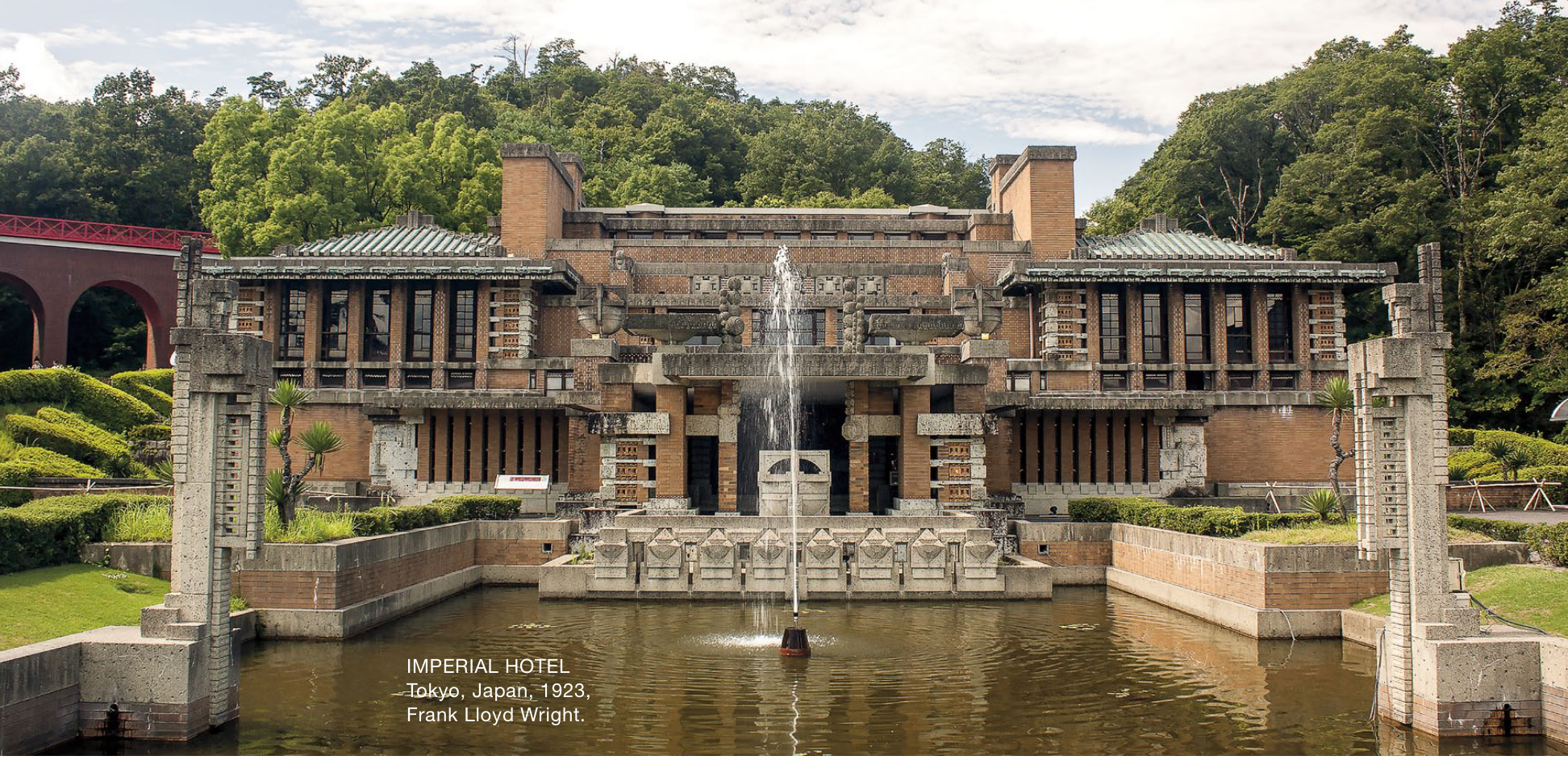
Wright’s fascination with Japanese architecture helped him earn a prestigious
commission to build the grand new Imperial Hotel (1923) in Tokyo. Most Western architects working in Japan at the time ignored local traditions, but Wright combined elements of traditional Japanese architecture with the Prairie style to create a modern, uniquely Japanese look. Wright completed several projects in Japan, where his style remained popular, with local architects copying it to varying degrees of success. Arata Endo, Wright’s assistant on the Imperial Hotel, went on to create spirited Wrightian works of his own design.
By the 1920s, both Wright and his Prairie style had fallen out of favor. After 10 years with few completed buildings, Wright
reemerged as a Modernist with his design for Fallingwater (1937), a modern home that preserved the continuous open spaces he had perfected in his Prairie period.
It was in this period that Wright developed his “Usonian” system of economical, modern homes built out of prefabricated components. He hoped that every American could afford a well-designed home, but only a poor facsimile of his ideas reached the mainstream, as the ranch-style homes of the 1950s and 1960s. The most lasting legacy of the Prairie style is the reinvention of residential interiors as open spaces for cooking, living, and dining.
Prairie in LEGO
Prairie is a popular style to re-create with LEGO due to Frank Lloyd Wright’s celebrity and the fact that many Prairie homes can be built with a modest collection of common bricks. A LEGO plate has the same proportions as the slender Roman bricks used in many Prairie buildings, so you can build a detailed brick home using a large number of dark red or orange plates. The gently sloping roofs can present a challenge because sloped LEGO bricks are too steep. Many builders approximate a Prairie-style roof by stacking LEGO plates, or create a pitched roof using hinges.
LEGO Colors
White
Light bluish grey
Medium dark flesh
Dark red
Reddish brown
Tan
Dark tan
Olive green
Trans clear
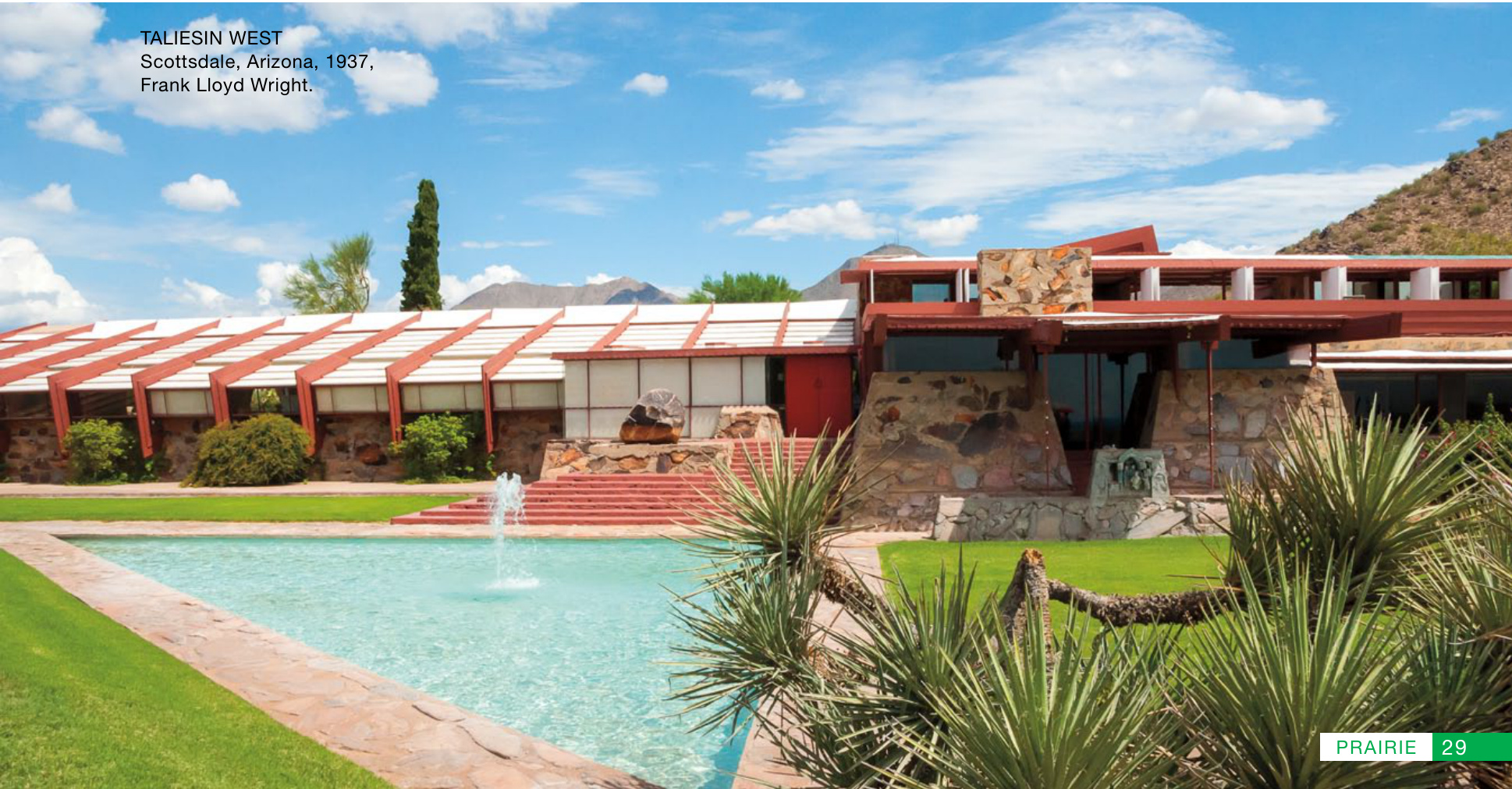
Prairie LEGO Models
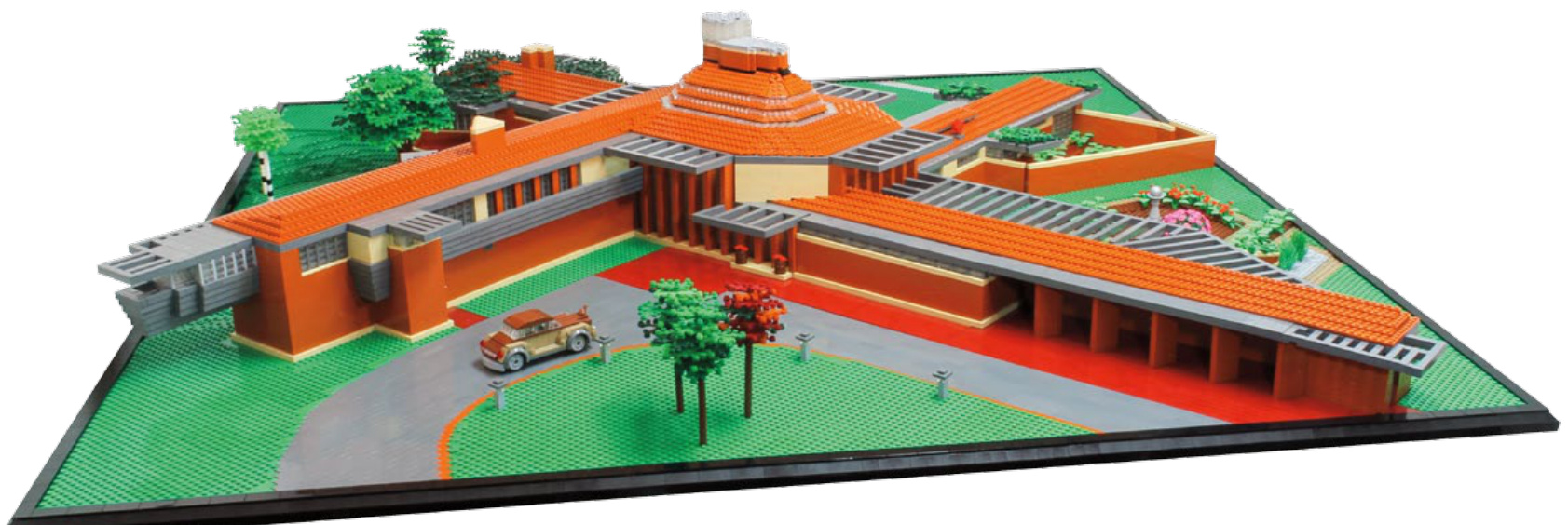
Wingspread Wind Point, Wisconsin, 1939, Frank Lloyd Wright. LEGO model by Jameson Gagnepain.
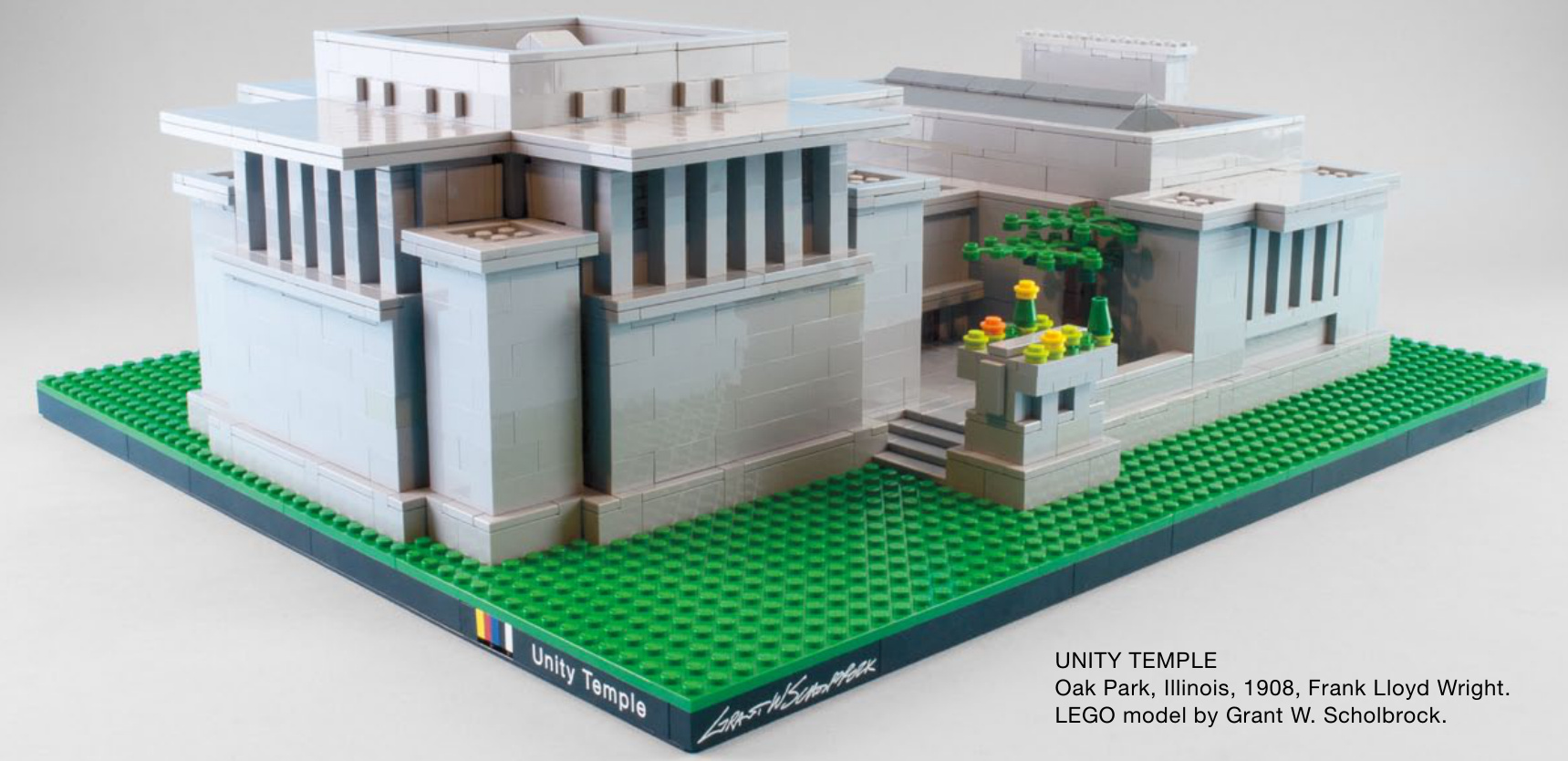
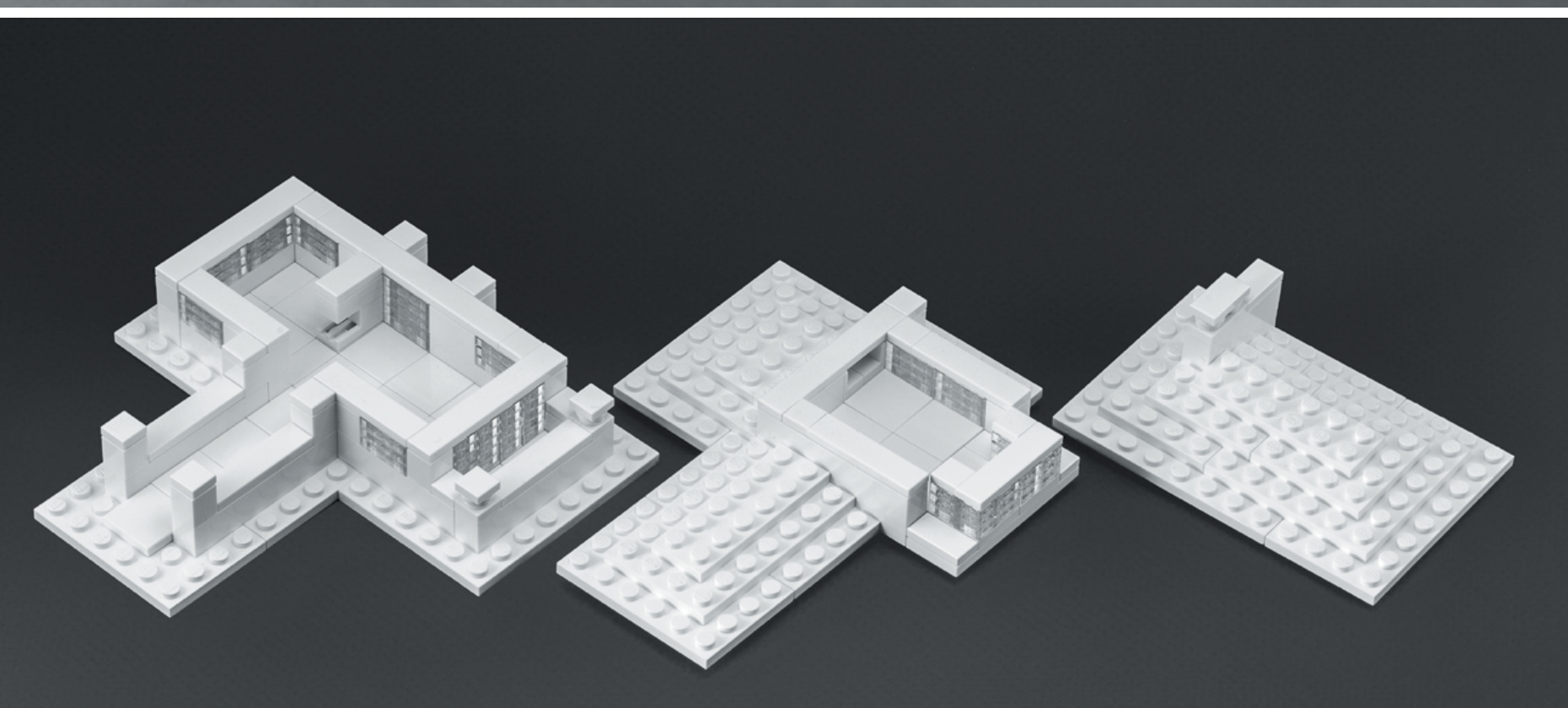
PrAirie HOUse
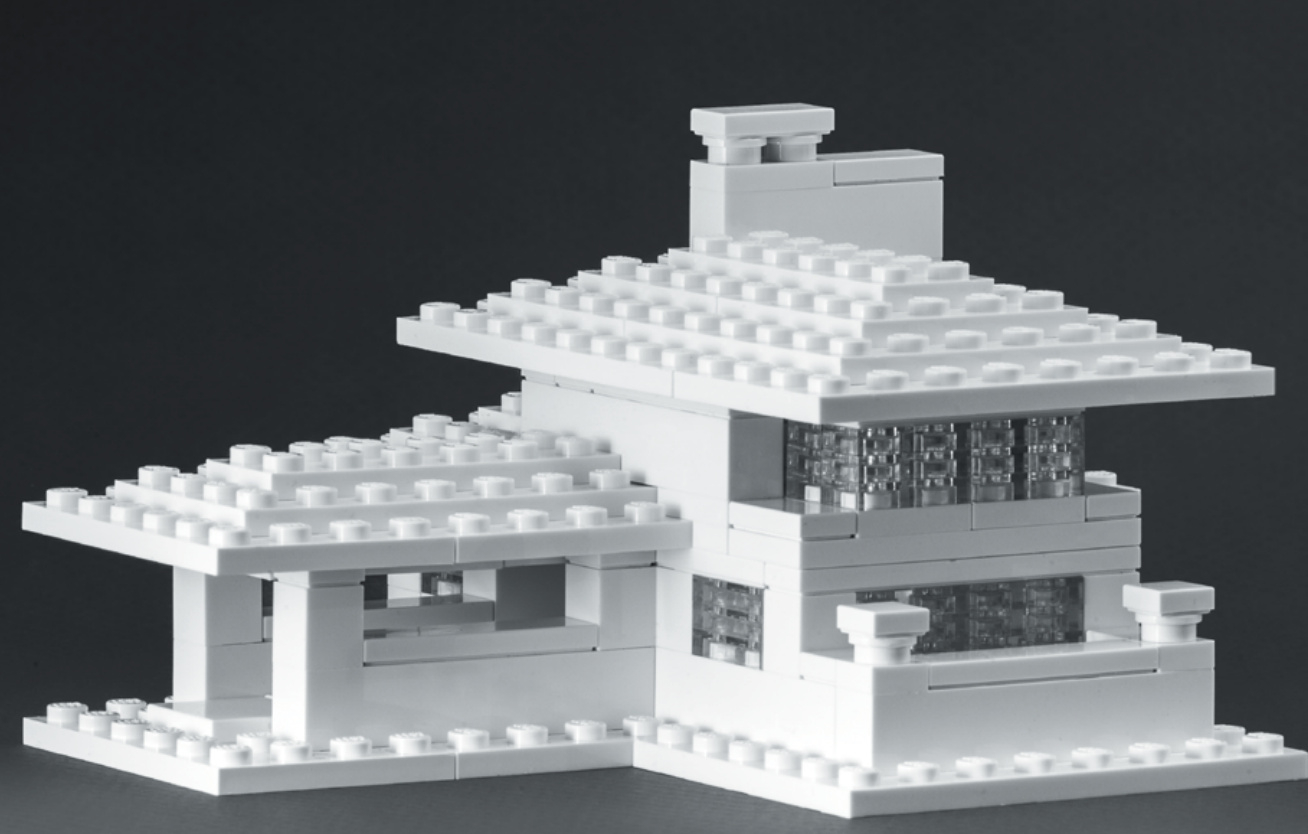
This model is based loosely on Willits House (1901) by Frank Lloyd Wright. Many people consider this to be his first great Prairie-style home. The model includes iconic features of Prairie architecture, such as a private patio, a roof with broad eaves, and exaggerated horizontal lines.
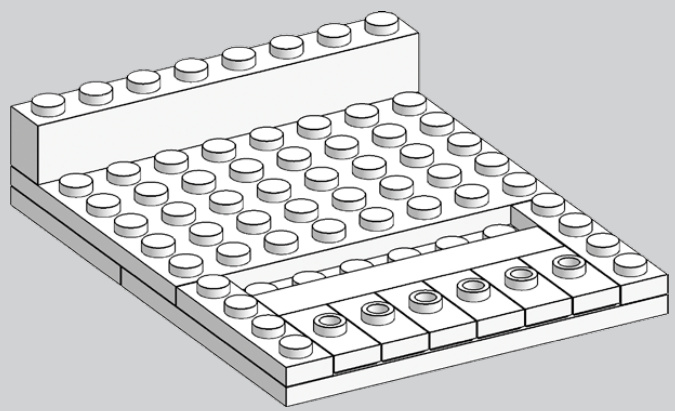
This model is designed to be opened, revealing an open floor plan oriented around the hearth.
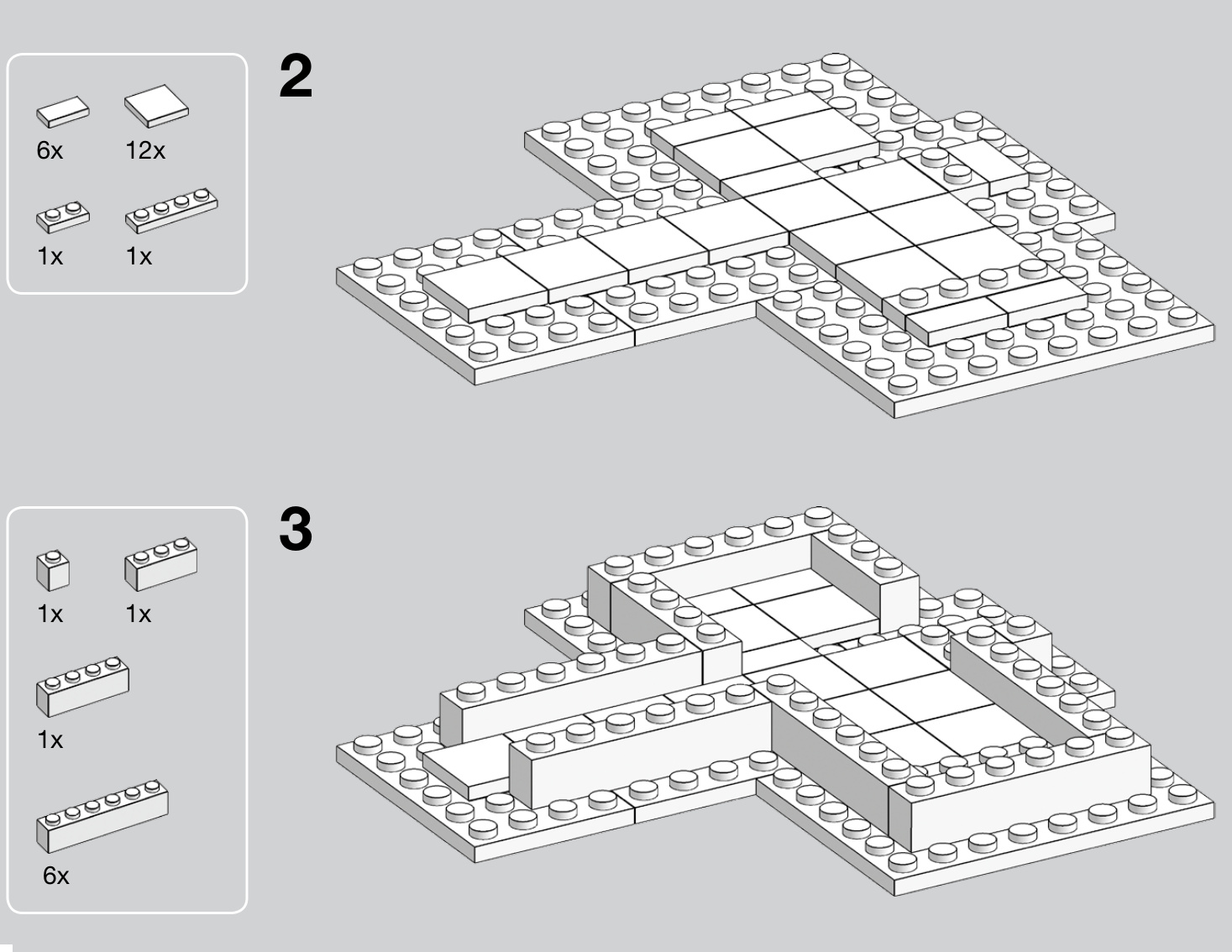
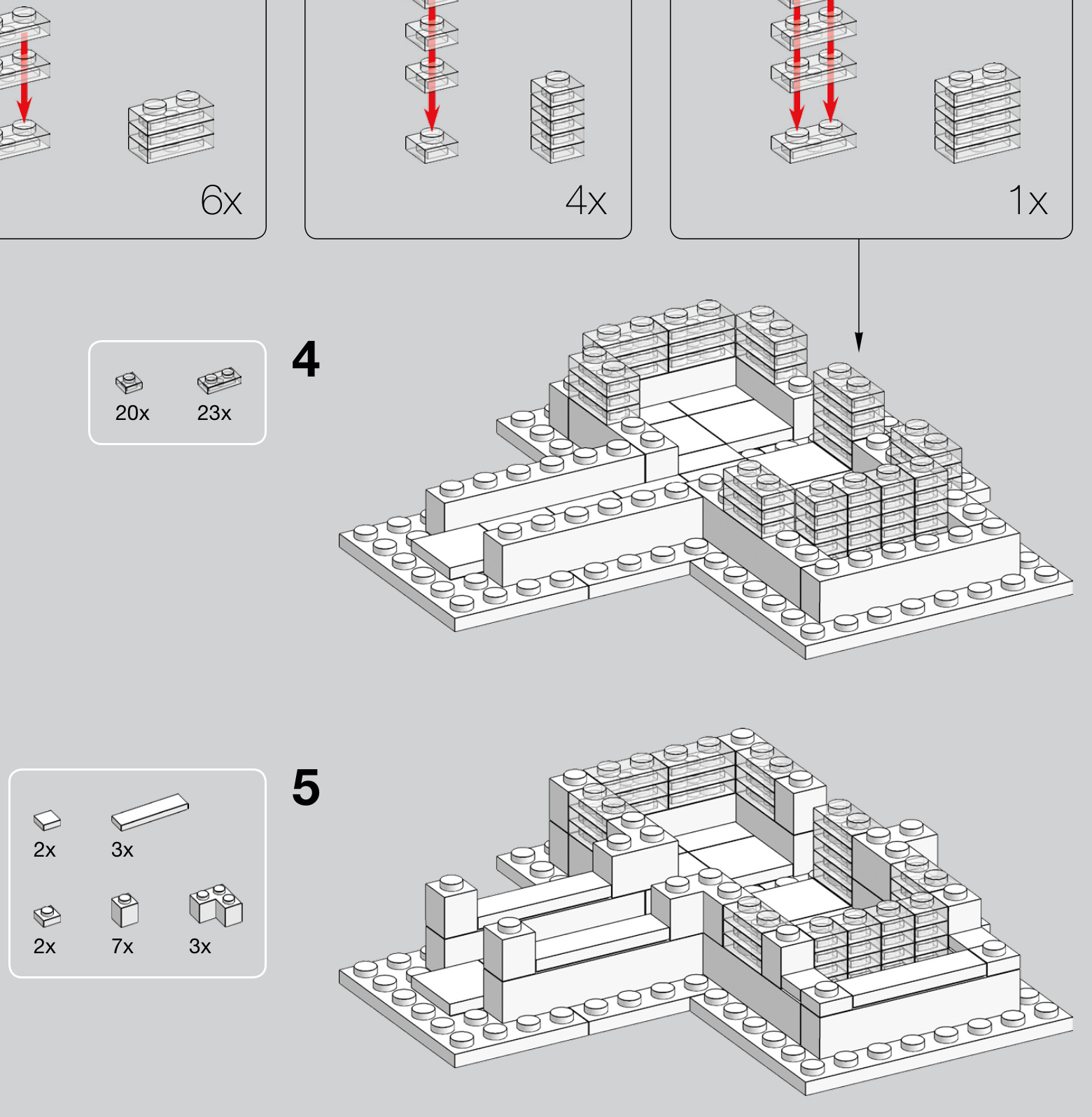
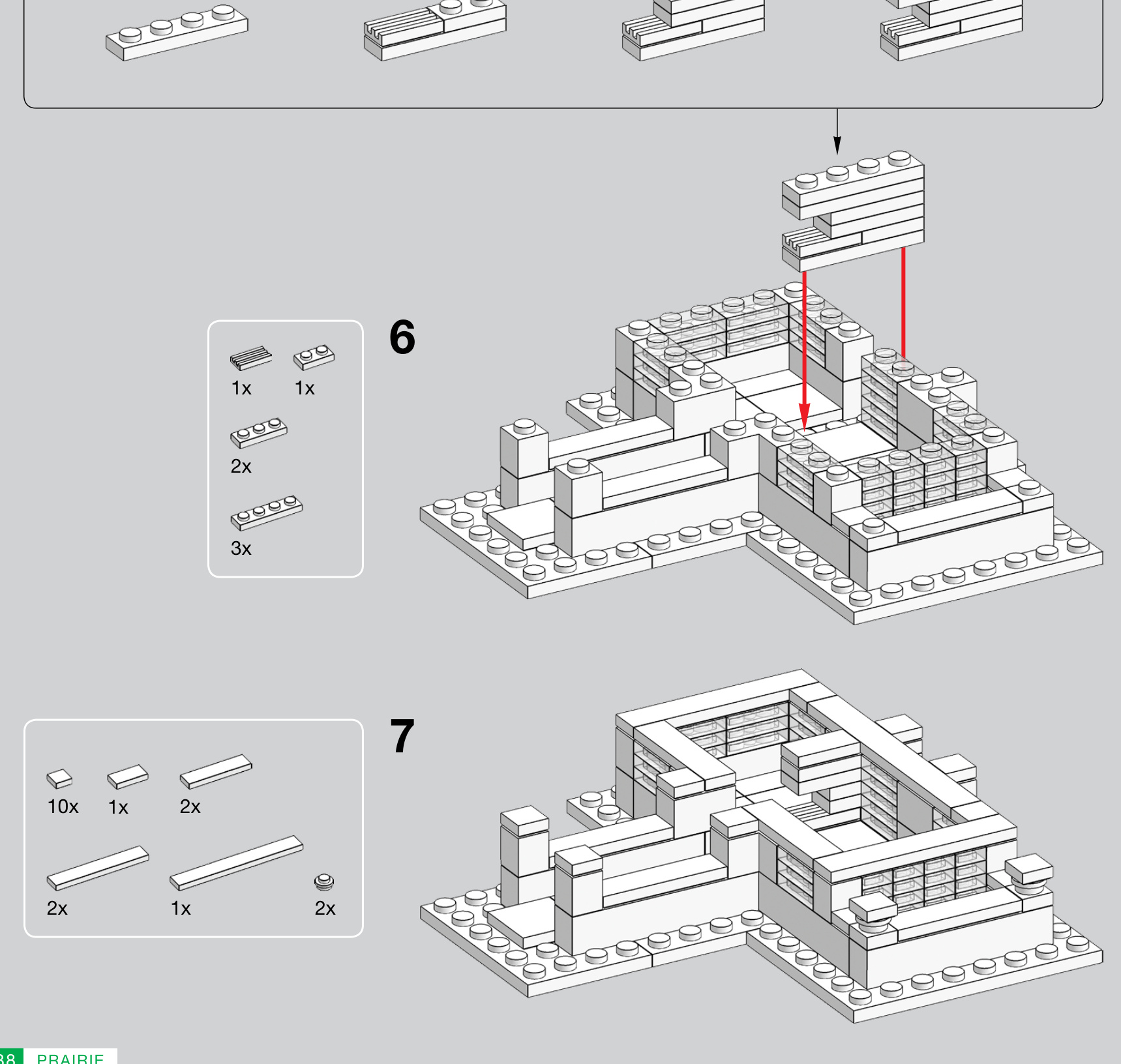
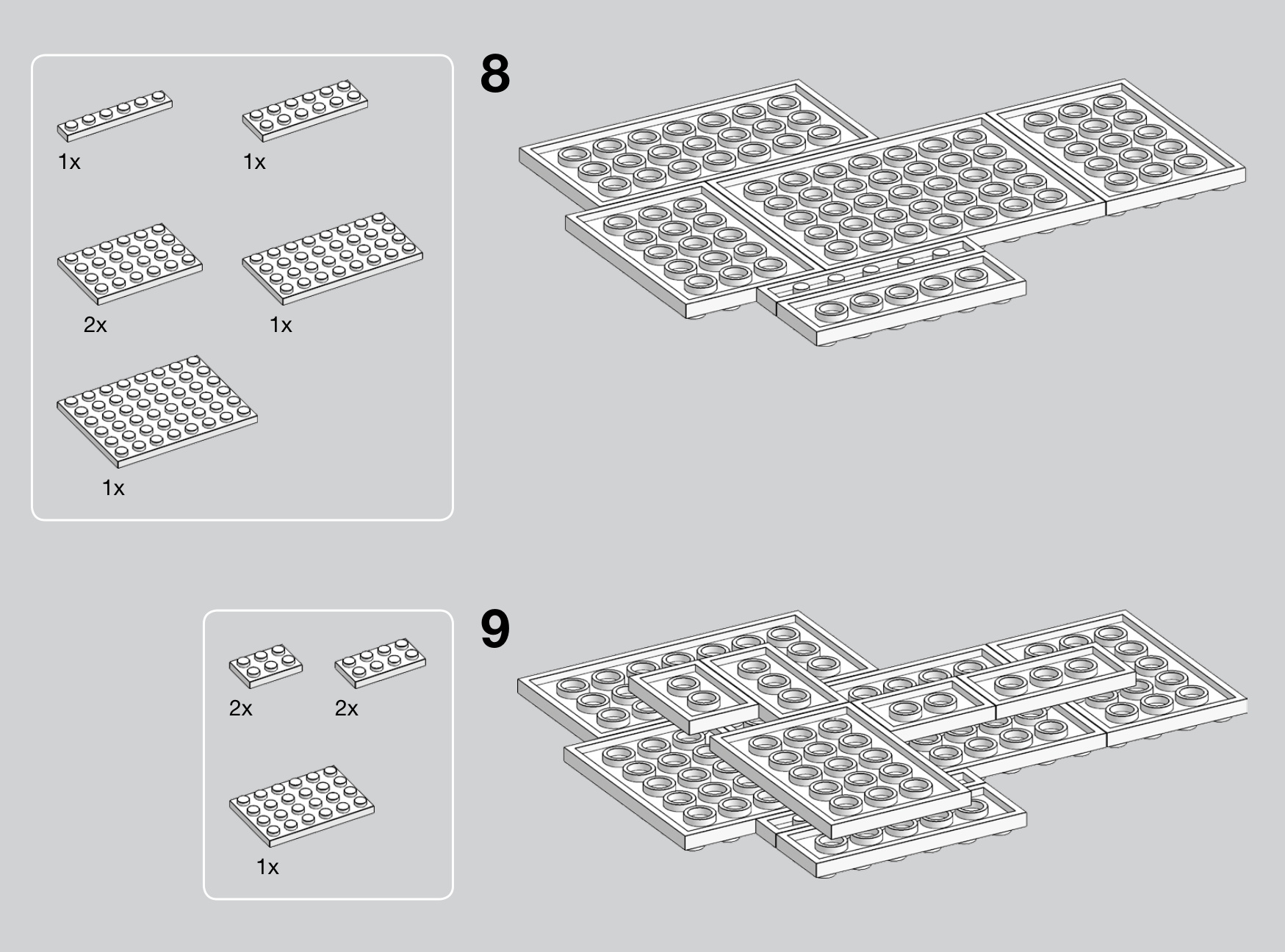
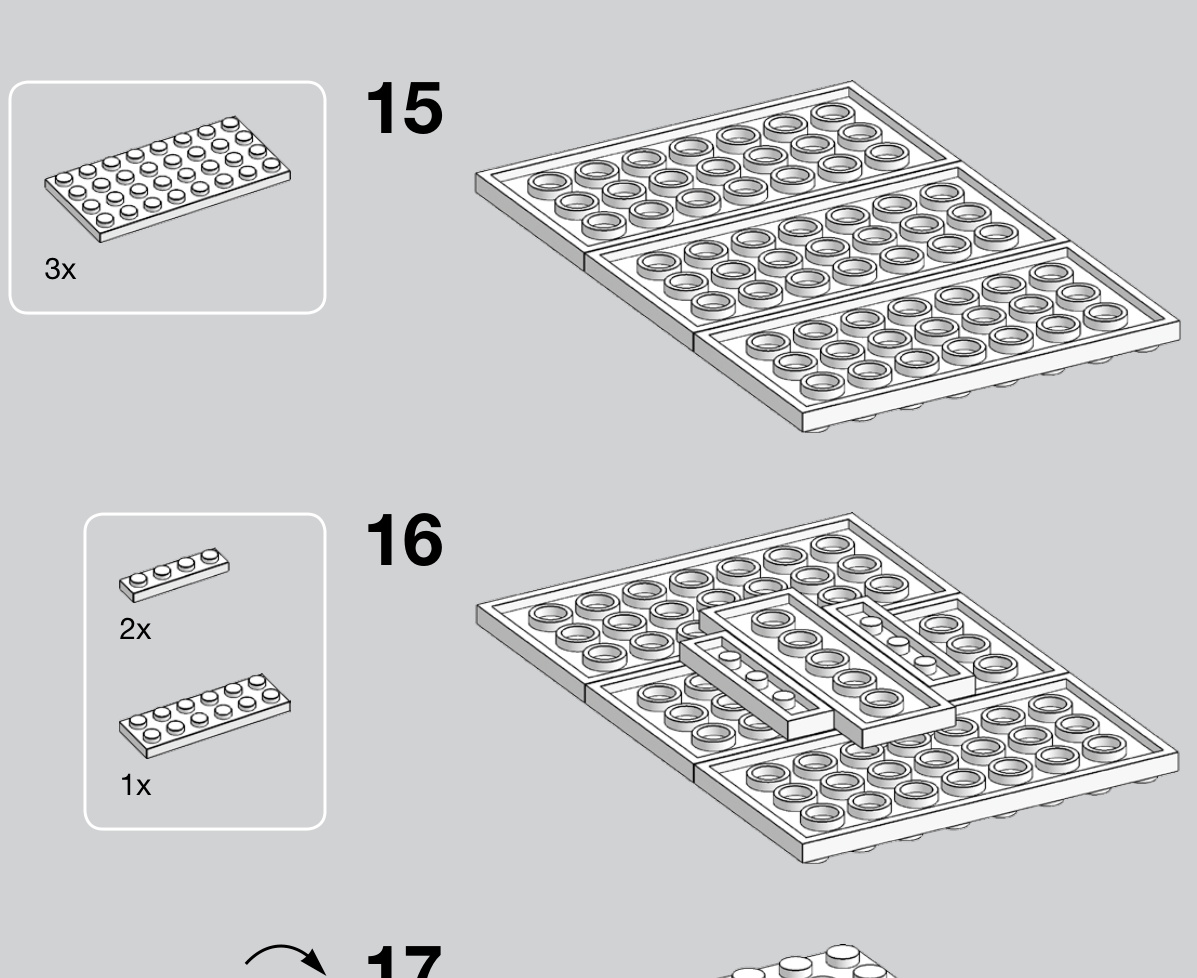
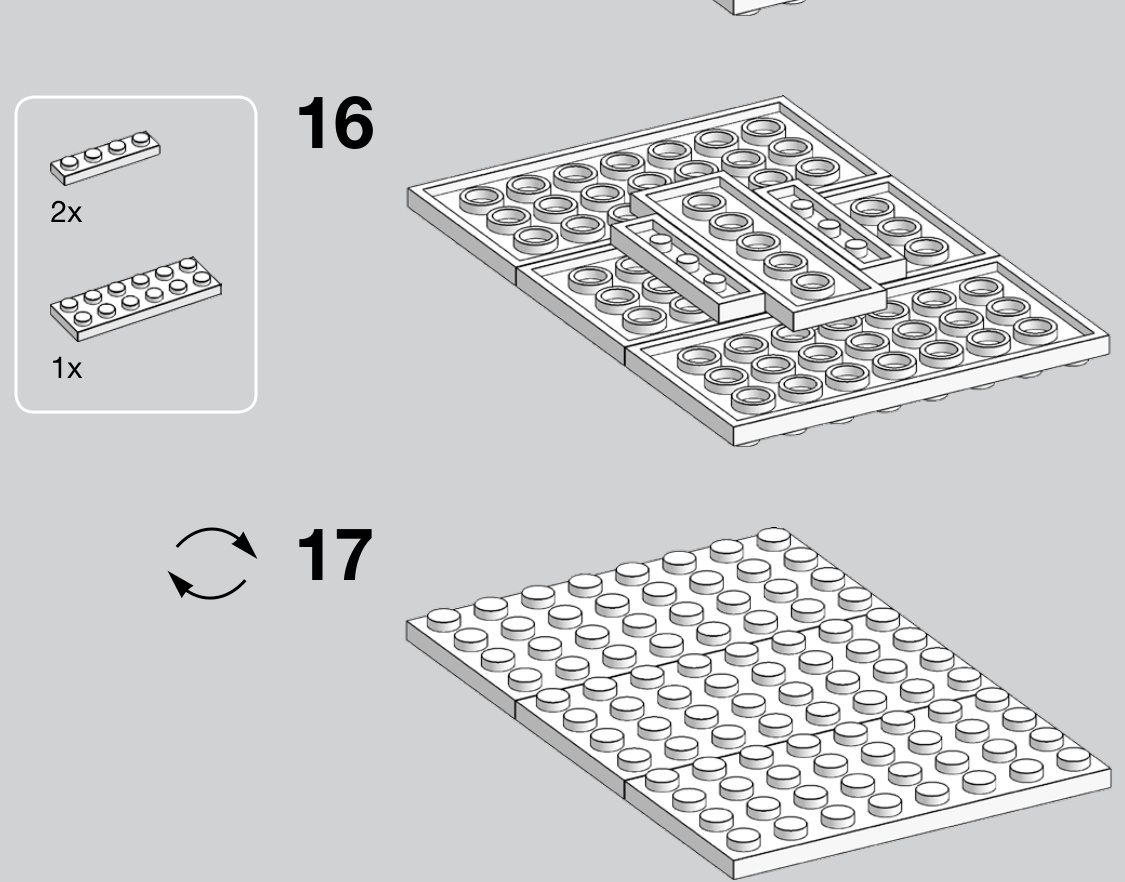
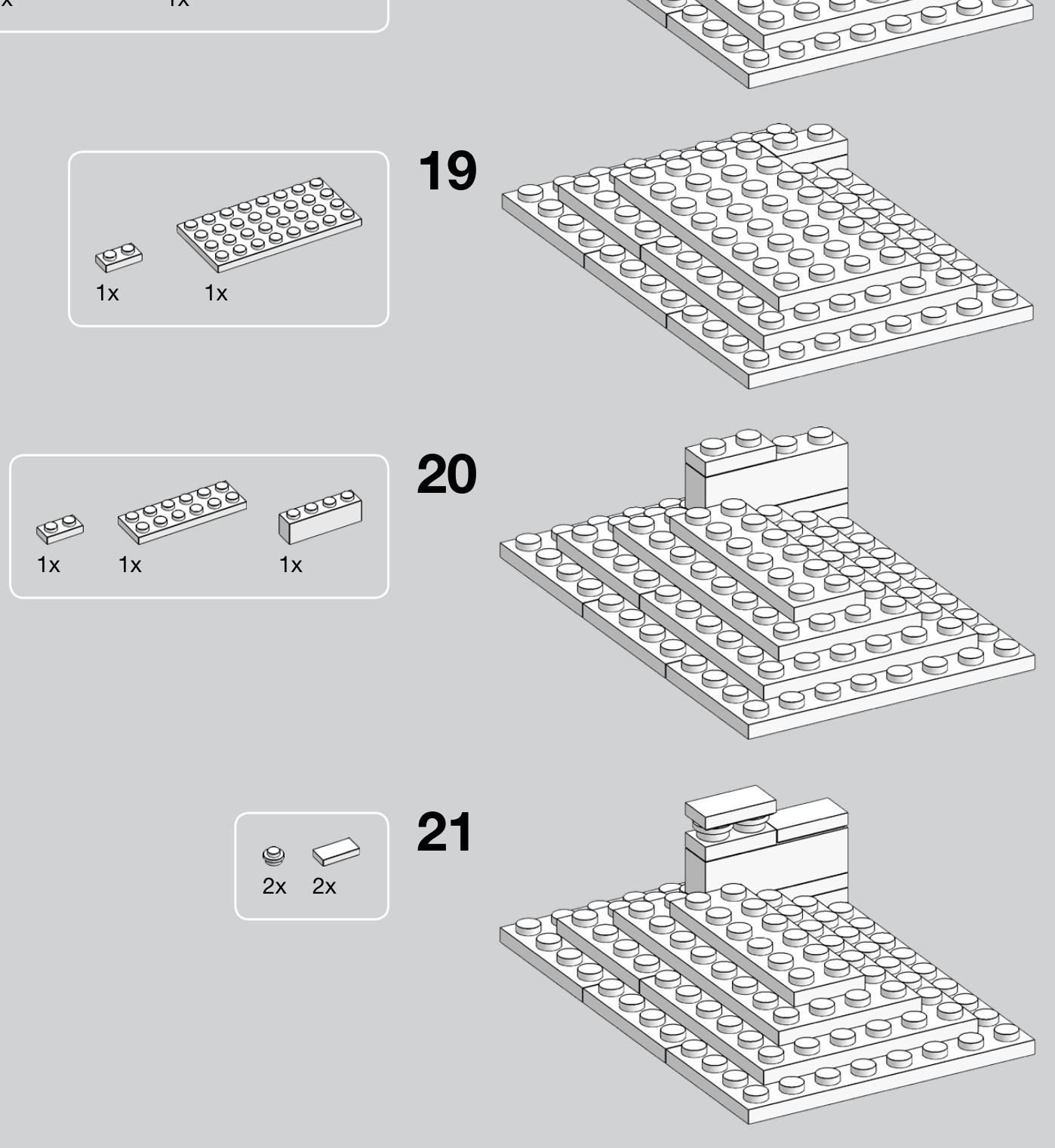
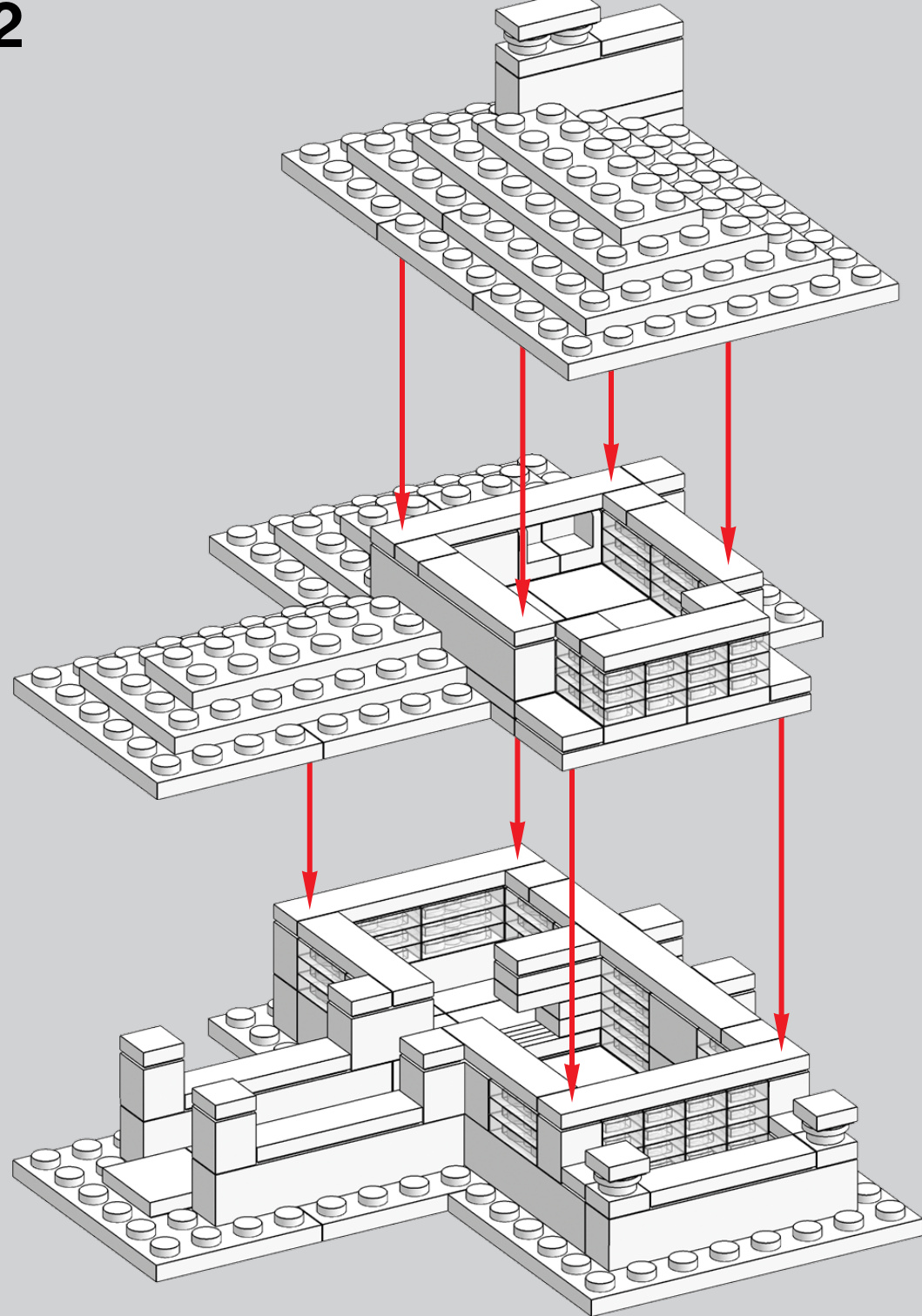
The lower floor shows how a continuous living space can be separated into different spaces by a fireplace (or hearth), small wall, or screen.
Art Deco
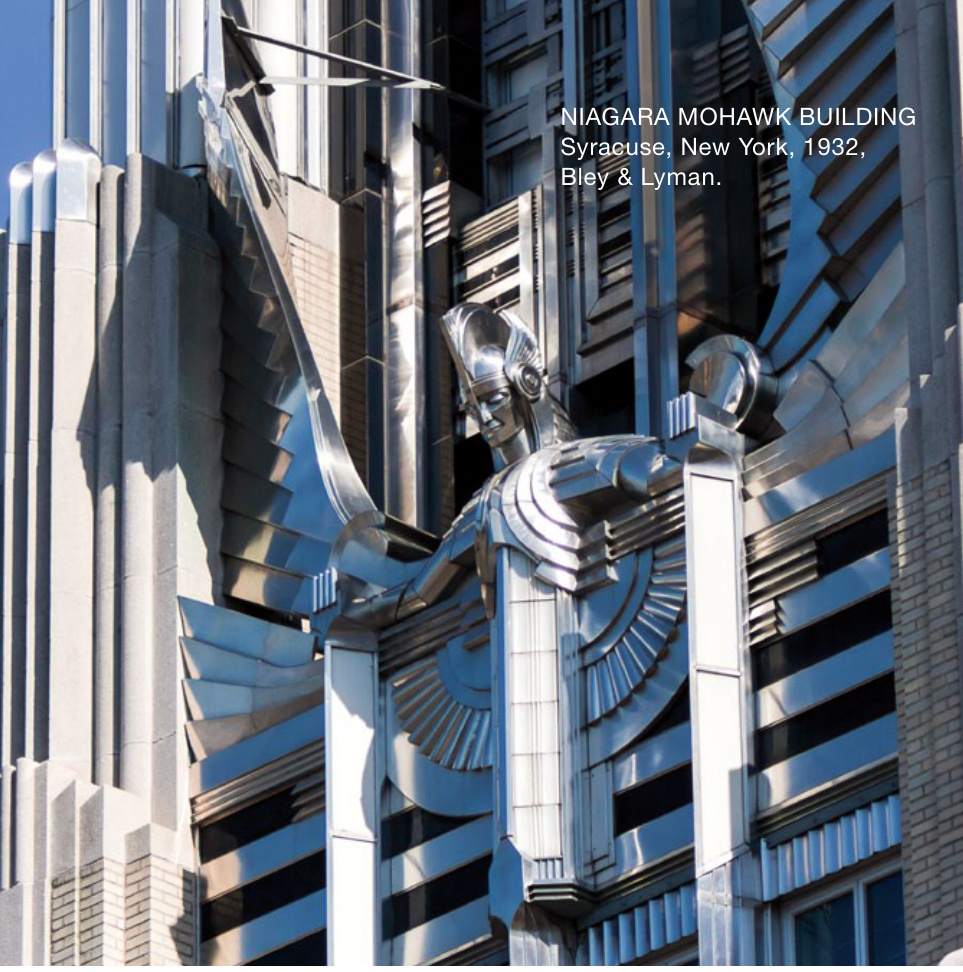
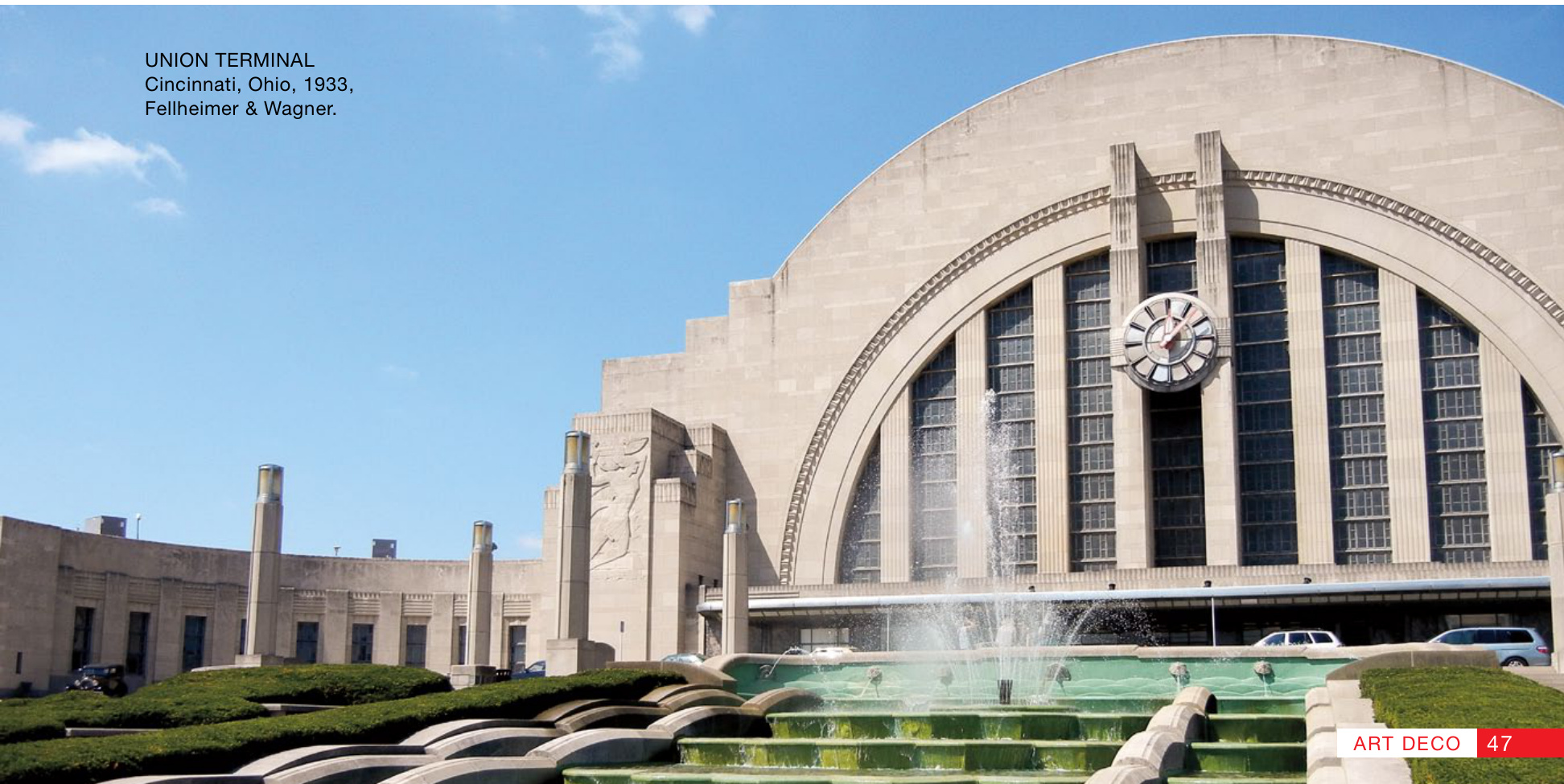
Art Deco is the exuberant architectural style born during the Roaring Twenties. Also known as the Jazz Age, this was a period of unprecedented wealth, fashion, and new technology. Buildings were clad in elaborate facades with intricate decorations to match the flamboyant times. The sky was the limit as developers raced to create the tallest skyscrapers.
C
一
Normal Theater Normal, Illinois, 1937, Arthur F. Moratz.
3 VINIAGE CARIOON FEST THUR CHRUSUN7PM
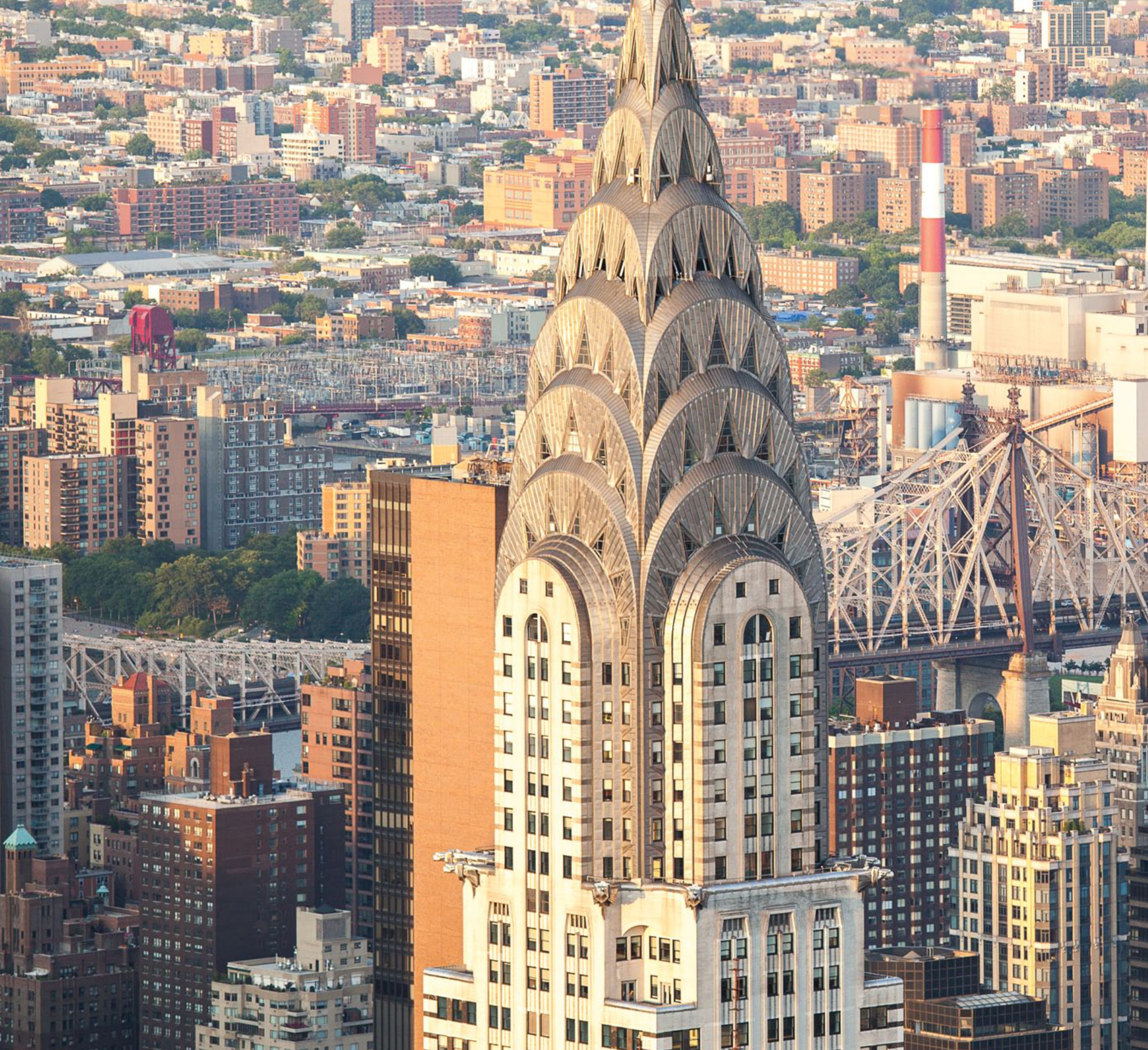
The name Art Deco comes from the influential 1925 L’Exposition Internationale des Arts Decoratifs et Industriels Modernes in Paris, France. Many of the pavilions were built in this emerging architectural style. The artists who visited the exposition brought the Art Deco style to cities around the world, influencing all aspects of design, including furniture, clothing, jewelry, automobiles, and architecture.
Art Deco embraces the blocky abstractions of Cubism, with geometric designs that emphasize symmetry and repetition. The style borrows heavily from the Art
Nouveau movement of 30 years prior, when architects re-created intricate organic forms using wood and iron. Many Art Deco designs were inspired by ancient Egyptian arts, sparked by the discovery of King Tutankhamun’s tomb in 1922. As Art Deco grew into an international movement, architects drew inspiration from a range of other sources, including Native American, Mesoamerican, Japanese, and other historical motifs.
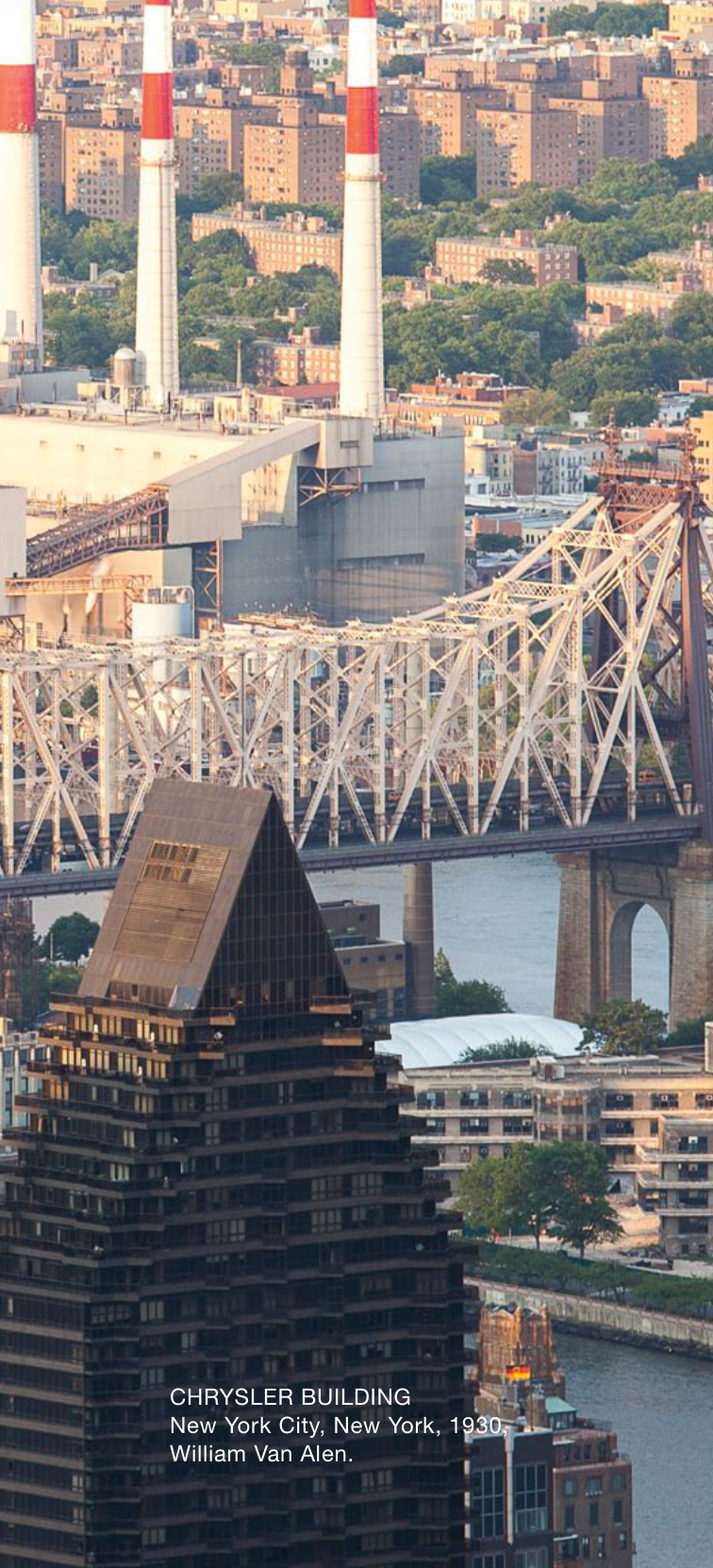
The wealth and unbridled enthusiasm of the 1920s fueled a race to build the world’s tallest buildings. When a rival
MATERIALS
Since Art Deco is rooted in applied ornamentation, architects explored a broad range of materials during the style’s short history. Early buildings used highend materials like copper, steel, and stone, while later examples used lessexpensive materials like brightly colored stucco, tile, and glass blocks.
LEGO Bricks
Small slopes can be used to create the intricate patterns of early Art Deco.

Curved bricks are very useful when creating buildings in this style.
Tiles ensure that everything has a smooth, streamlined finish.

apartments. Most common were movie theaters, which benefited from the tall, colorful, and brightly lit marquees. In many cases, the elaborate facades covered relatively simple, low-cost buildings.
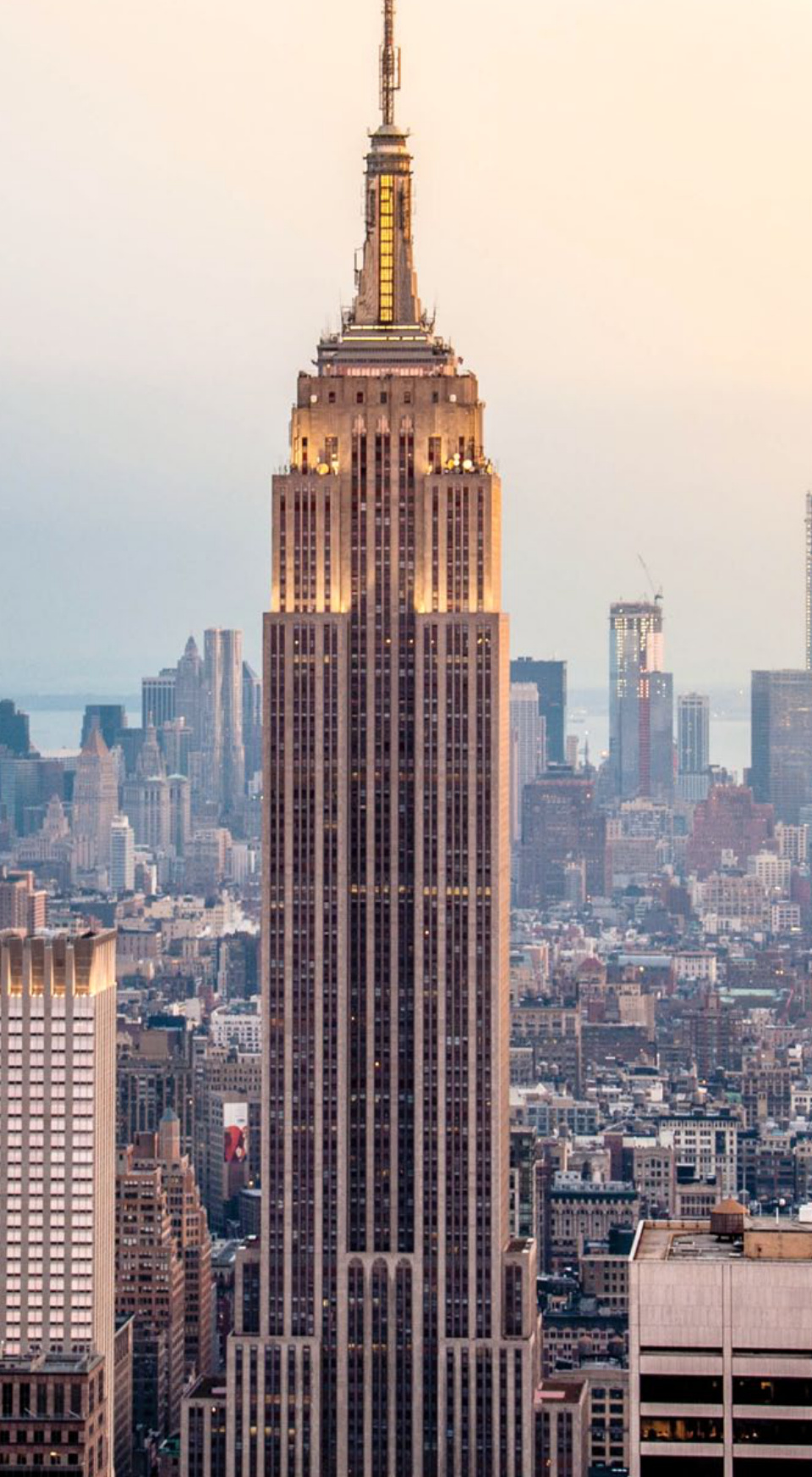
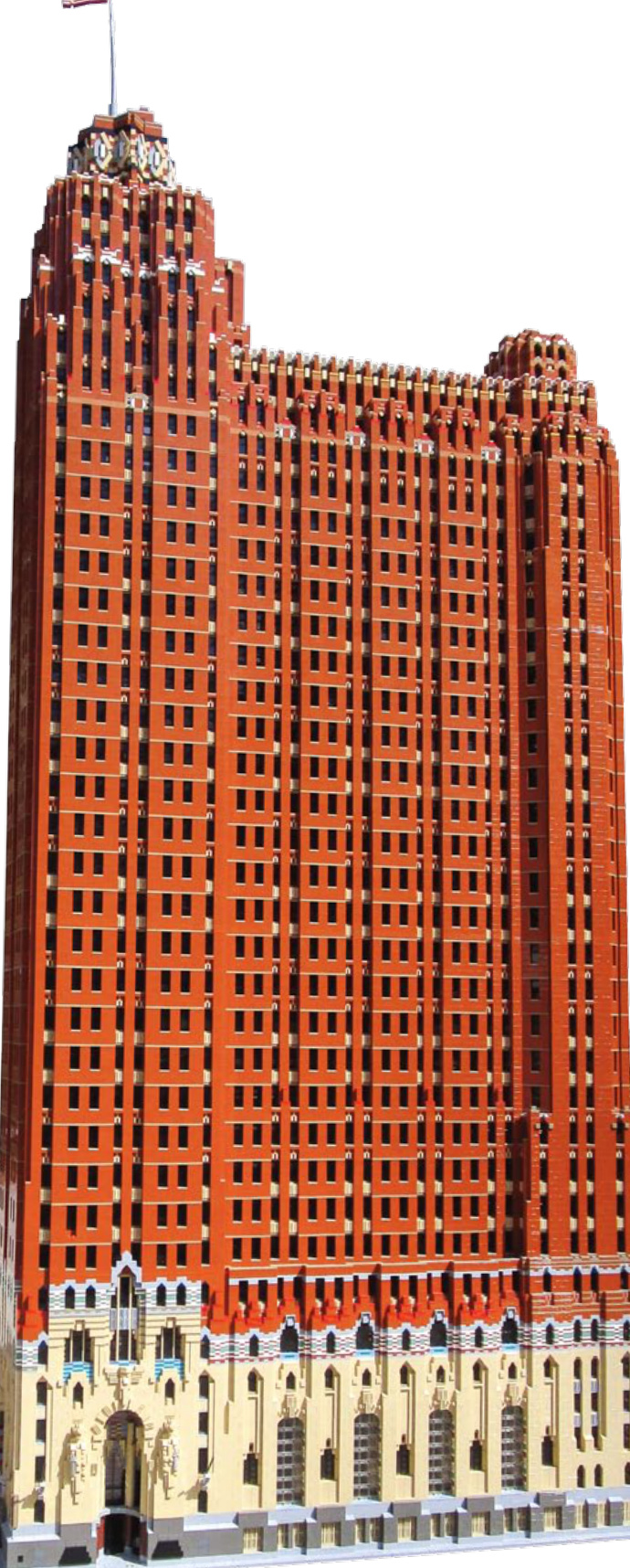
project threatened architect William Van Alen’s plan to make the Chrysler Building the tallest building ever constructed, Van Alen built its now-iconic spire in secret. He mounted the 125-foot spire on top of the Chrysler Building in 1930, securing the record for the tallest building in the world. The honor didn’t last long: 11 months later another Art Deco skyscraper, the more modestly decorated Empire State Building, would rise 400 feet higher.
Art Deco was popular in other buildings of this era, including offices, restaurants, and
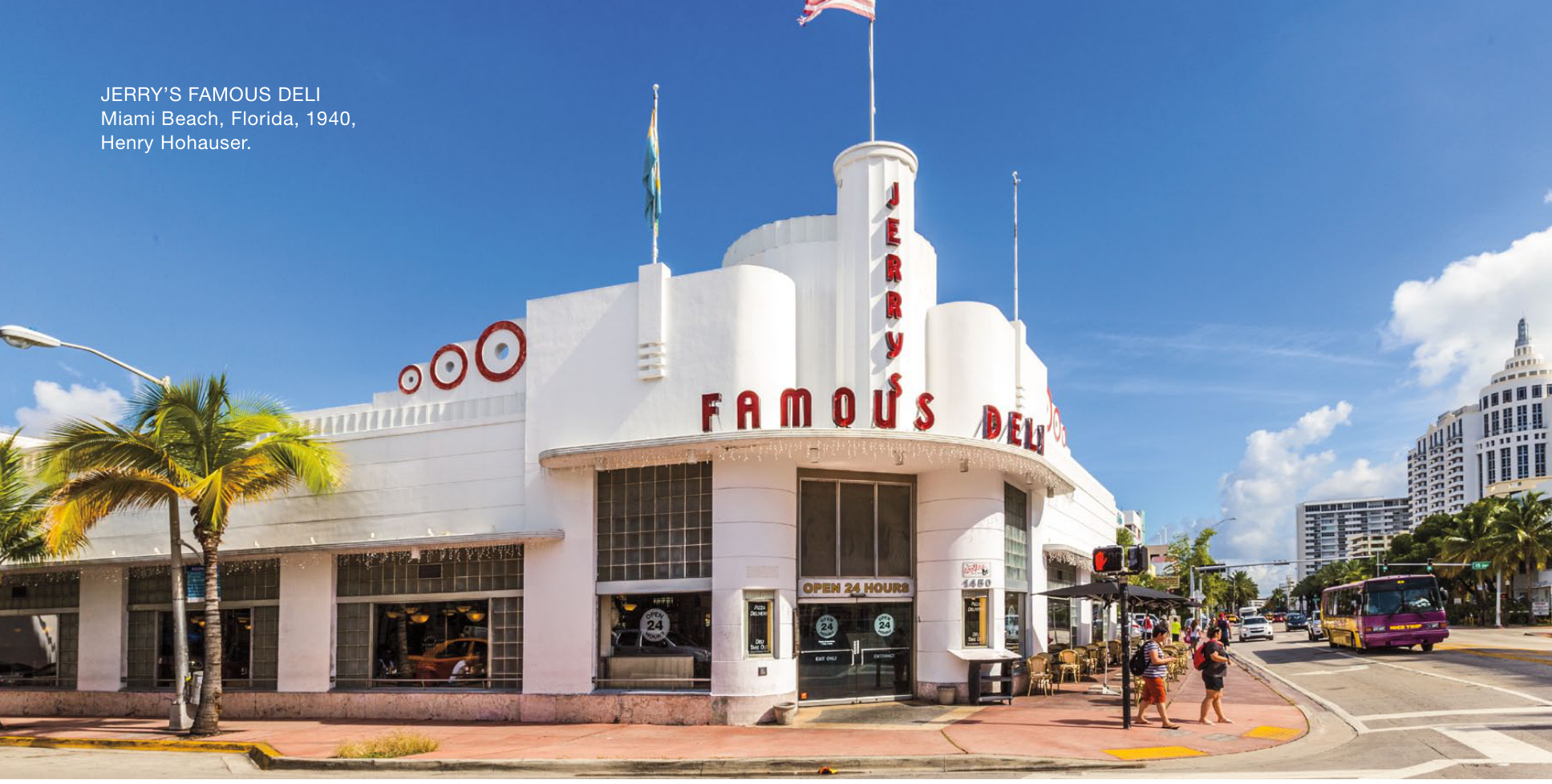
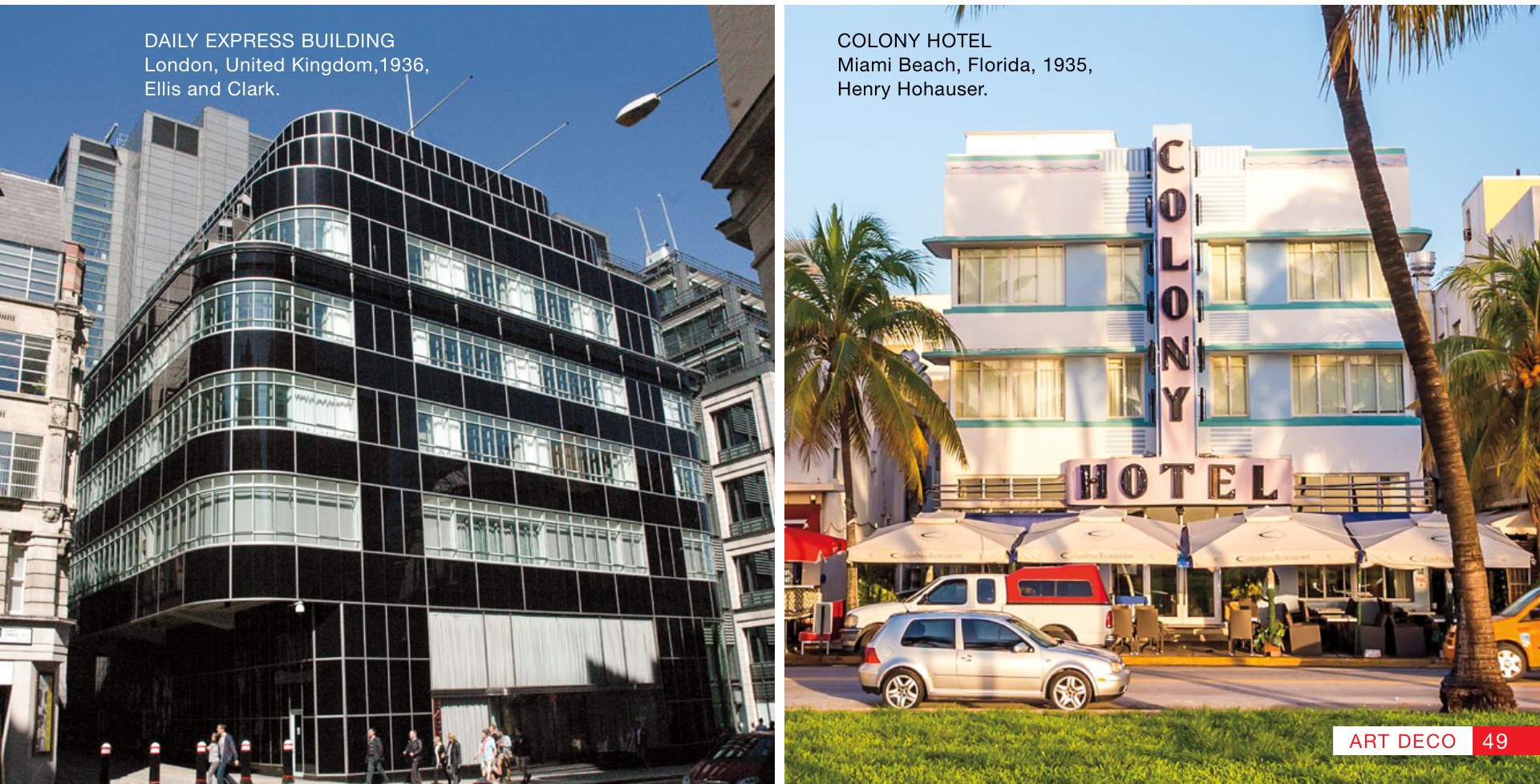
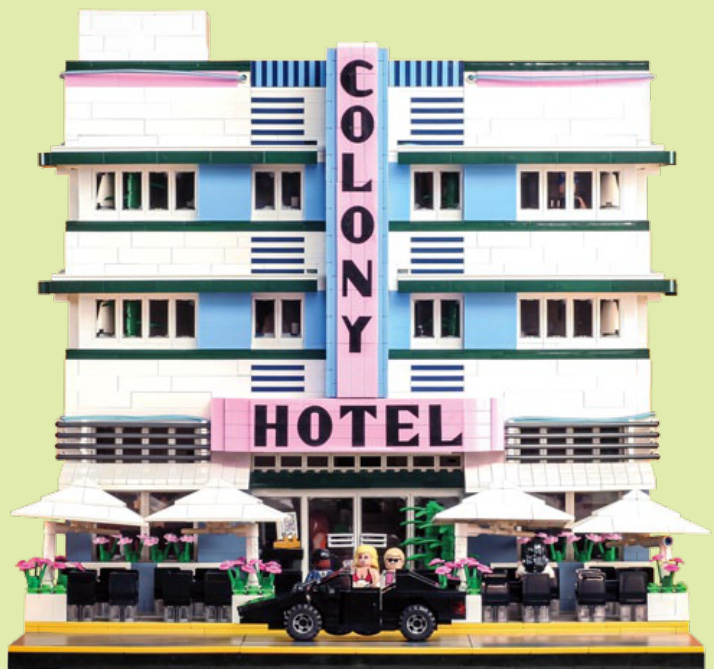
As the Great Depression took hold in the 1930s, Art Deco evolved to use less costly materials like glass blocks and terra-cotta tiles. Heavily ornamented designs made way for Streamline Moderne, a new style based on aerodynamic forms that mimicked the shape of planes, trains, and automobiles. Some buildings were clad in reflective materials like glass and steel, as in the Daily Express Building (1936), which is curvy, simple, and unadorned. One of the last places where Art Deco remained popular was Miami Beach, Florida, where numerous hotels were built with bold symmetric designs, bright pastel hues, and neon lighting. This shift from ornate Art Deco buildings to simpler Streamline Moderne anticipated the next major shift in architecture, to International Style Modernism.
Art Deco in LEGO
As Art Deco is inherently decorative, you will want to spend time on the fine details. Specialty bricks and bright colors are an effective way to capture the energy and intricacy of the early Art Deco style. You’ll need to find lots of curved parts if you want to capture the Streamline Moderne look. Many Art Deco buildings have intricate detailing on the building interior as well, so you may find this to be a fun style to explore when building larger, minifigure-scale models.
LEGO Colors

White
Light bluish grey
Medium blue
Sand green
Yellow
Light pink
Red
Trans clear
Art DECO LEGO Models
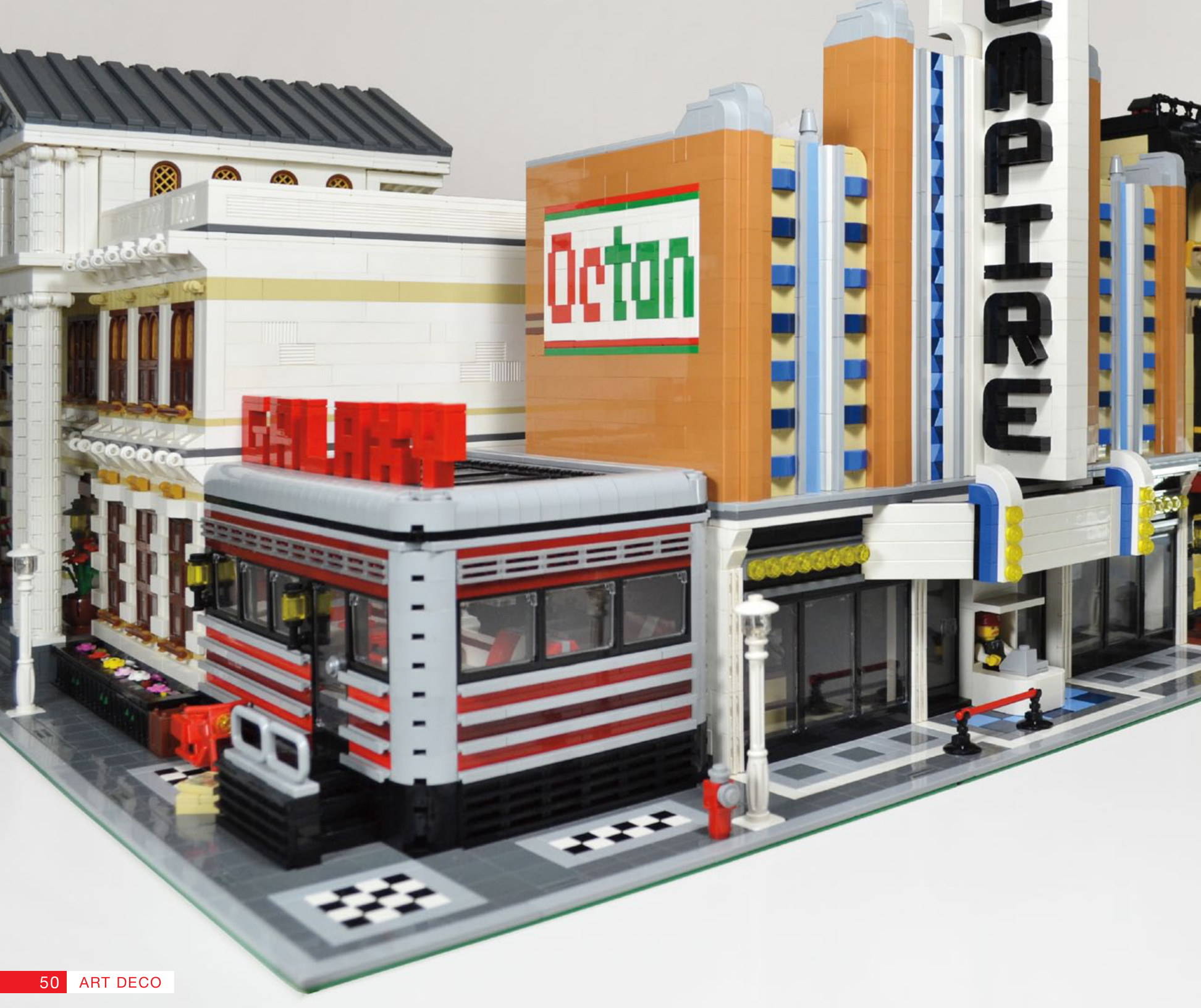
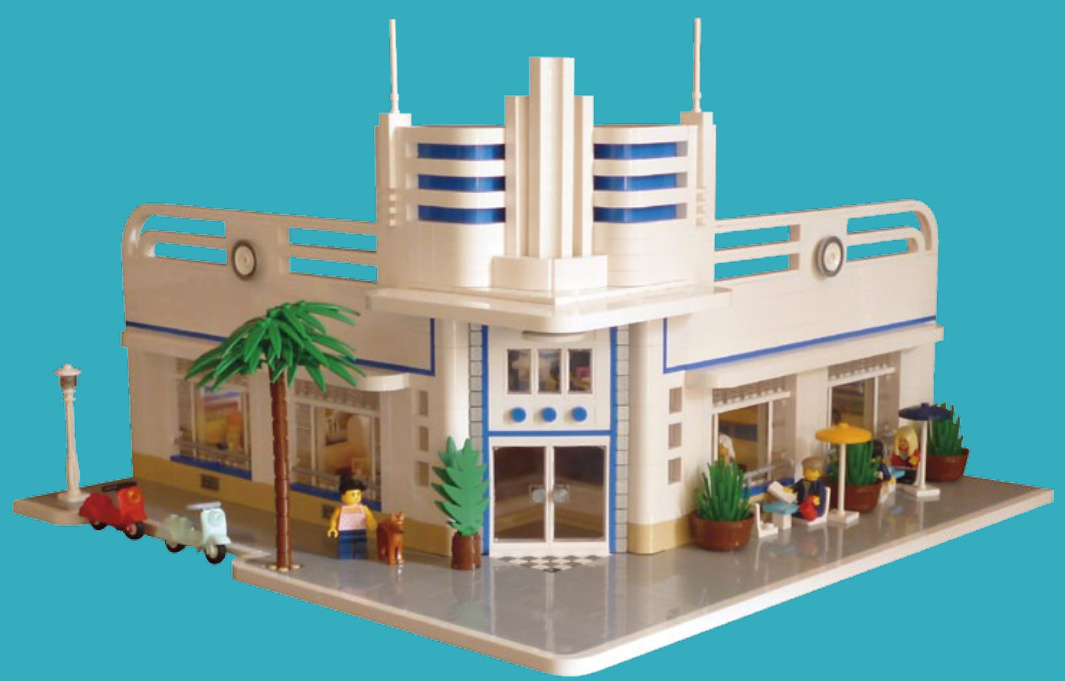
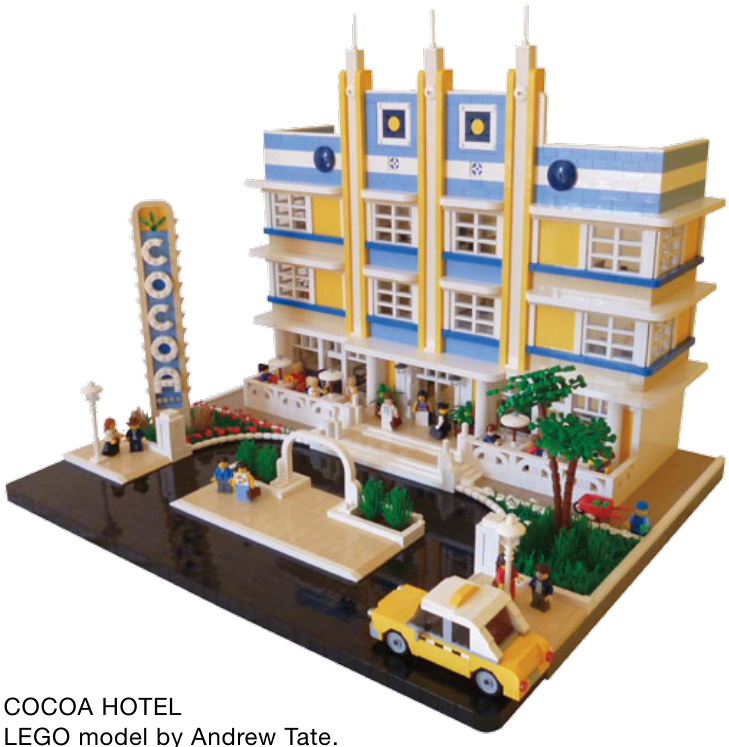
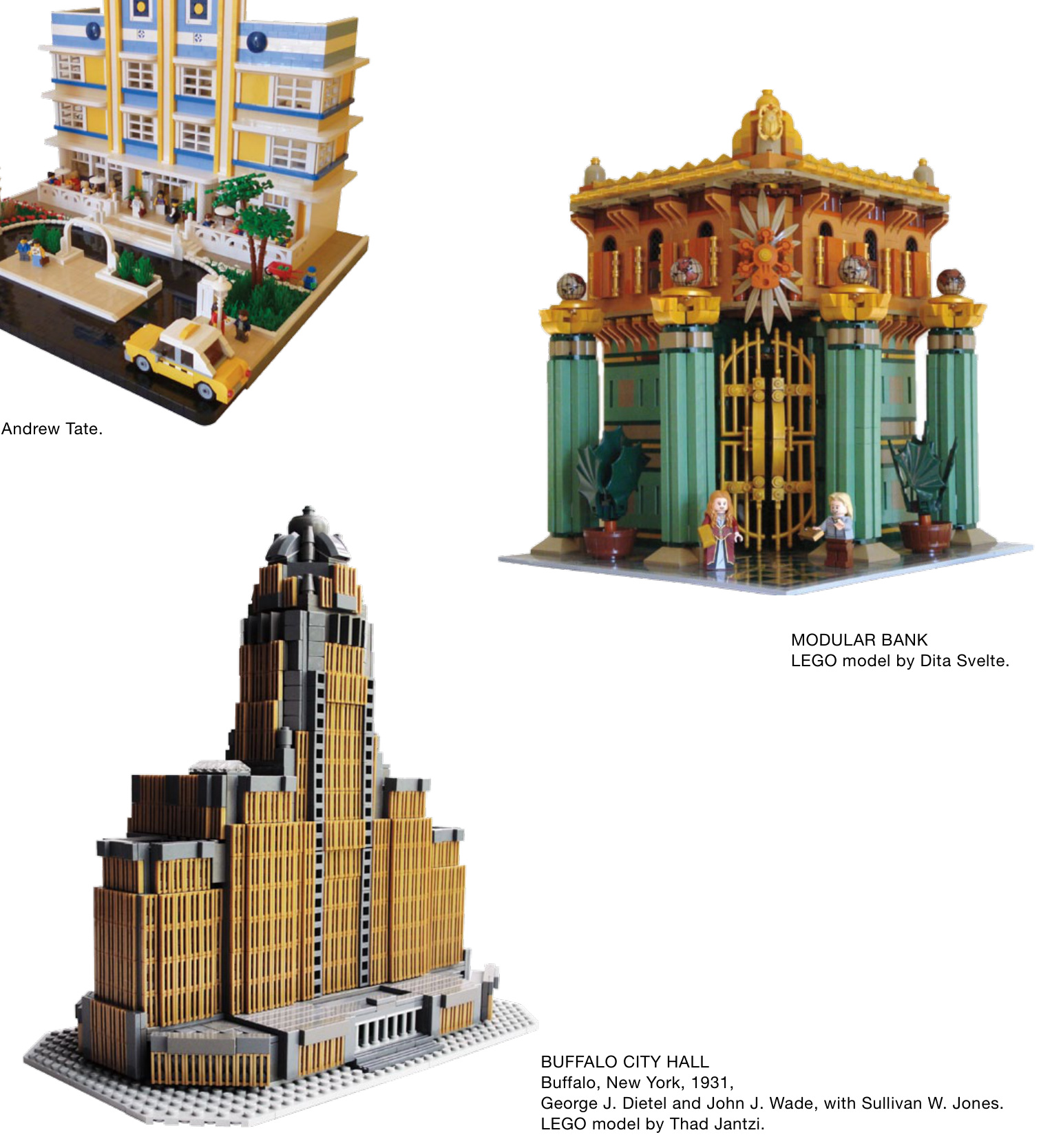
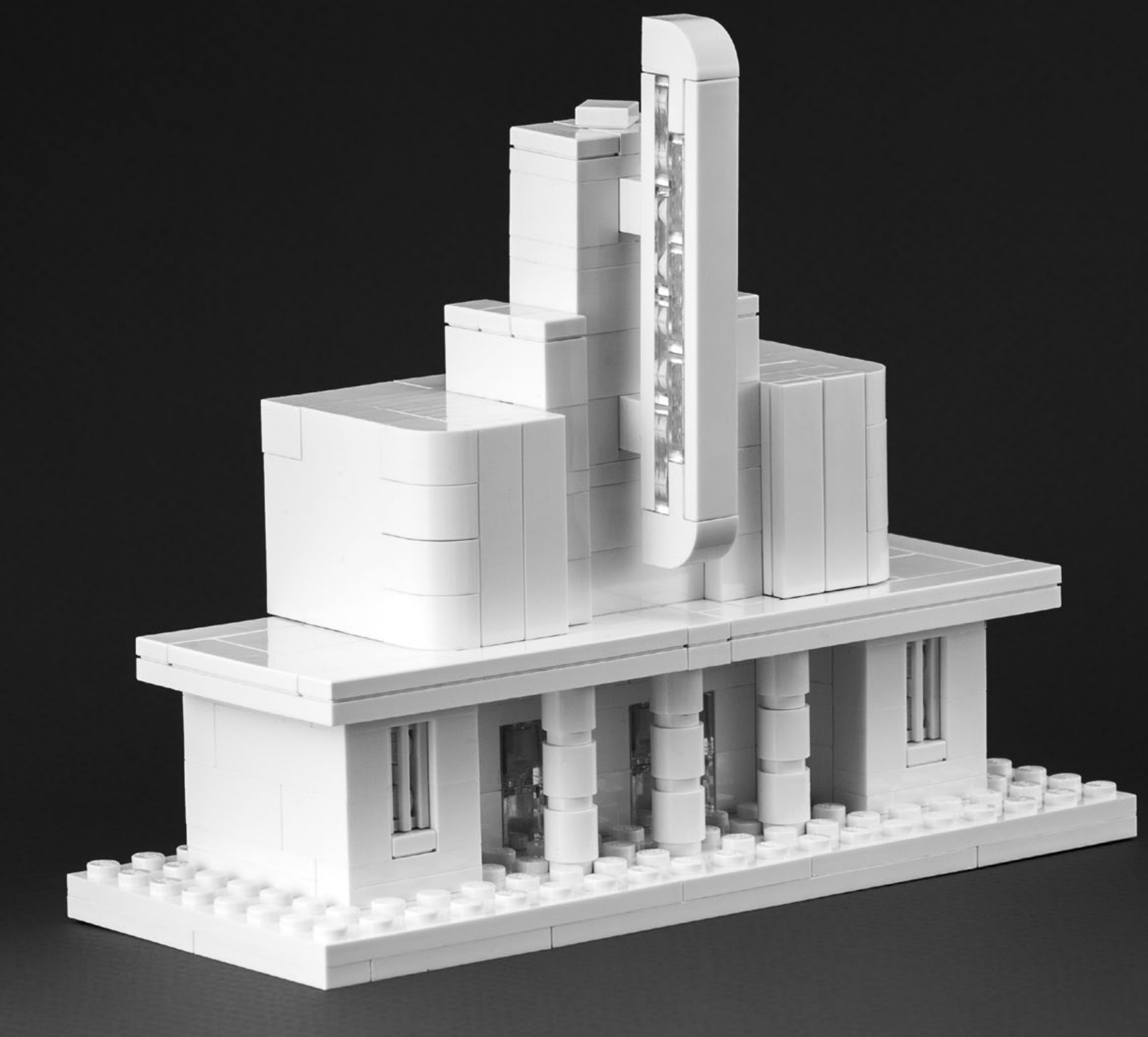
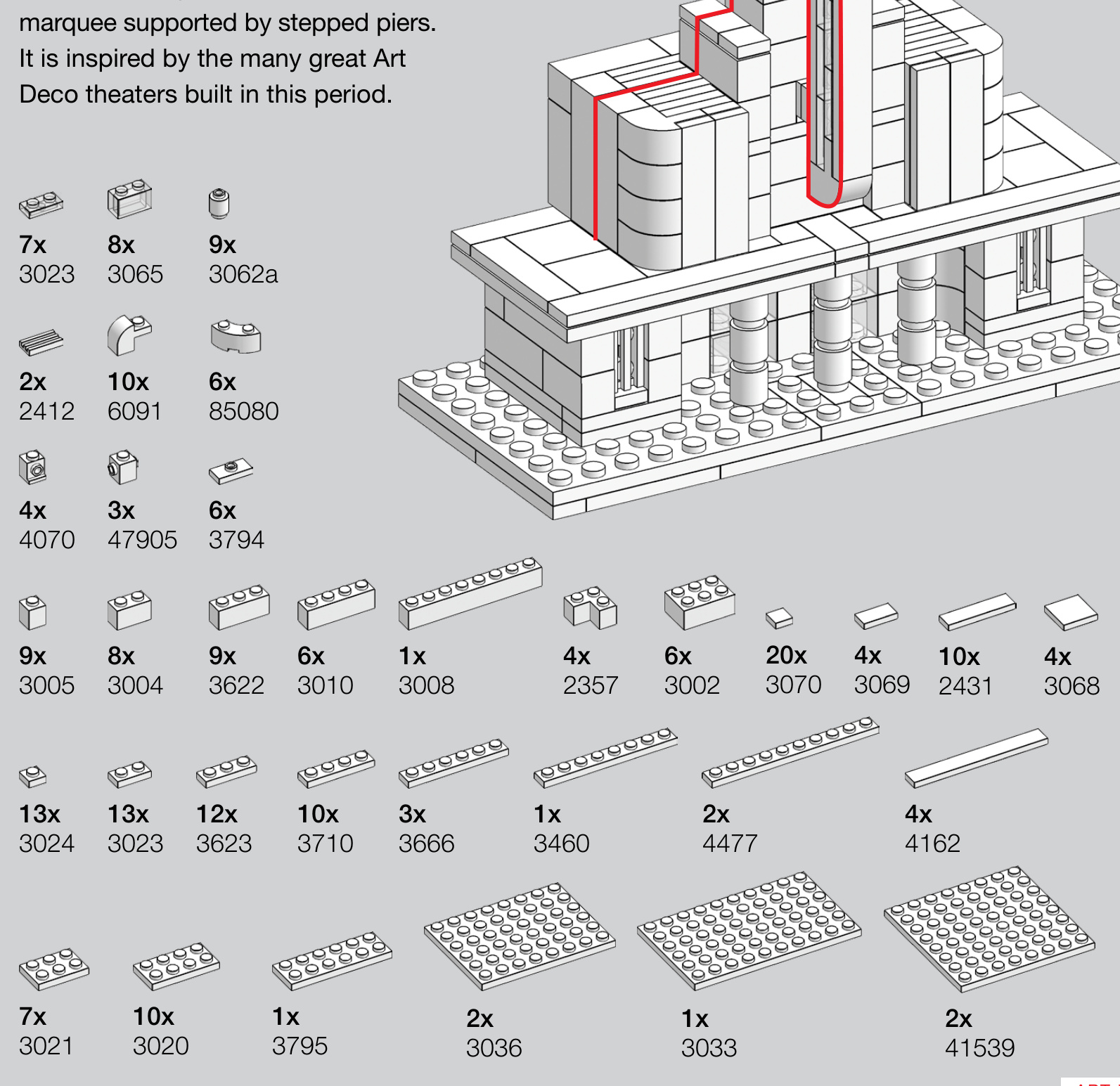
Movie Theater
This movie theater has a symmetrical facade with a prominent vertical
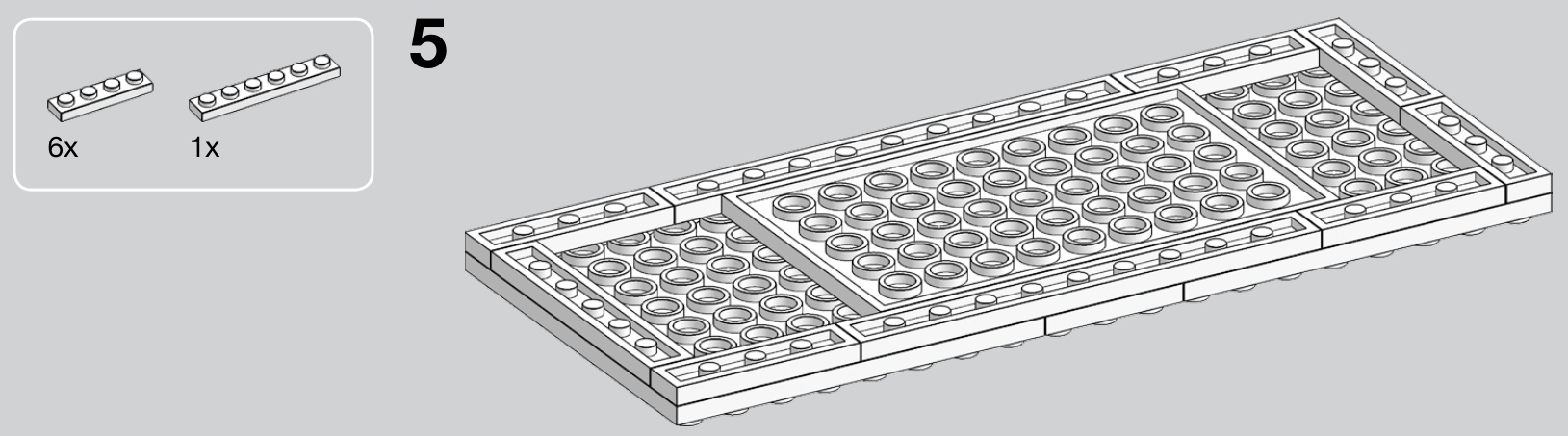
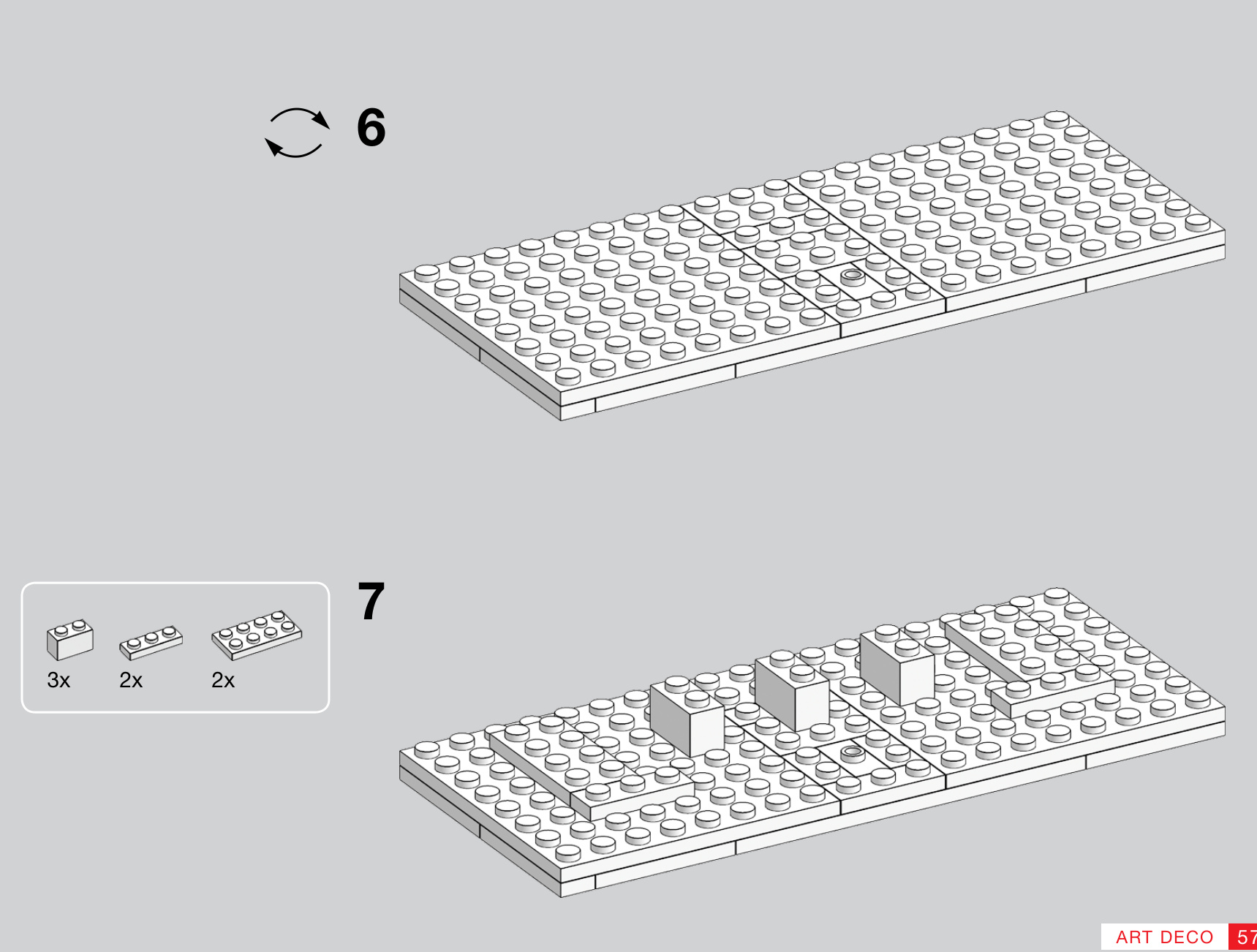
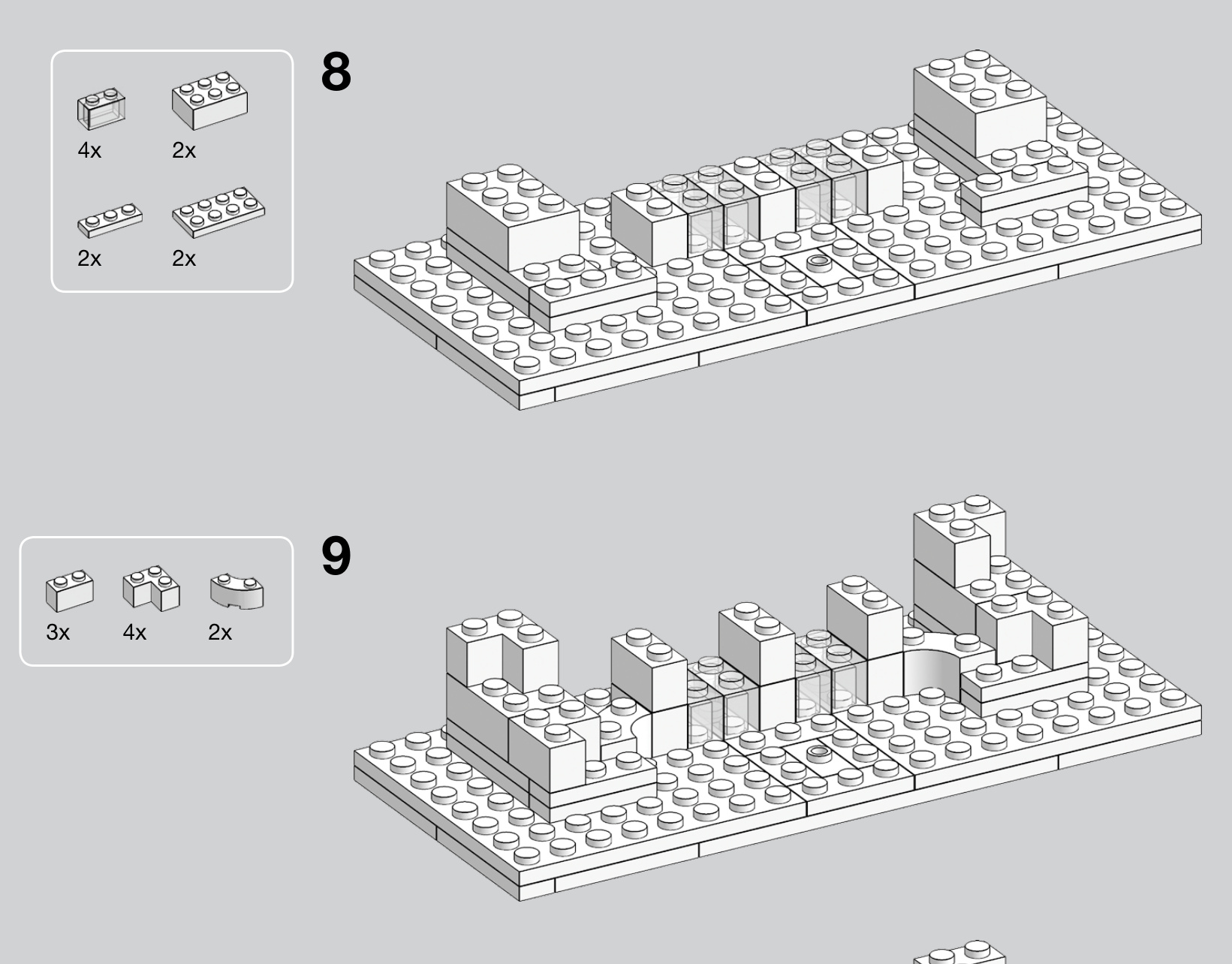
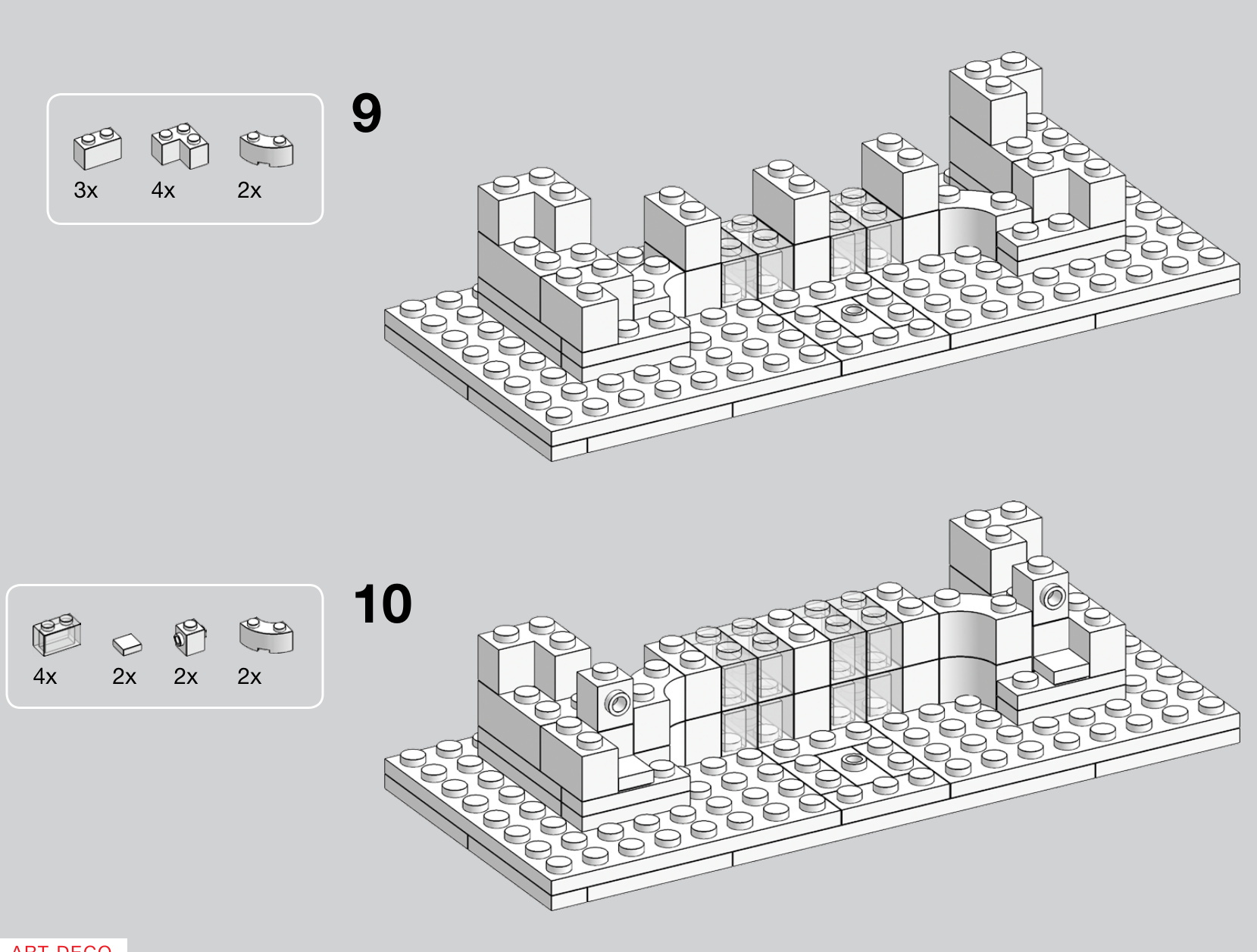
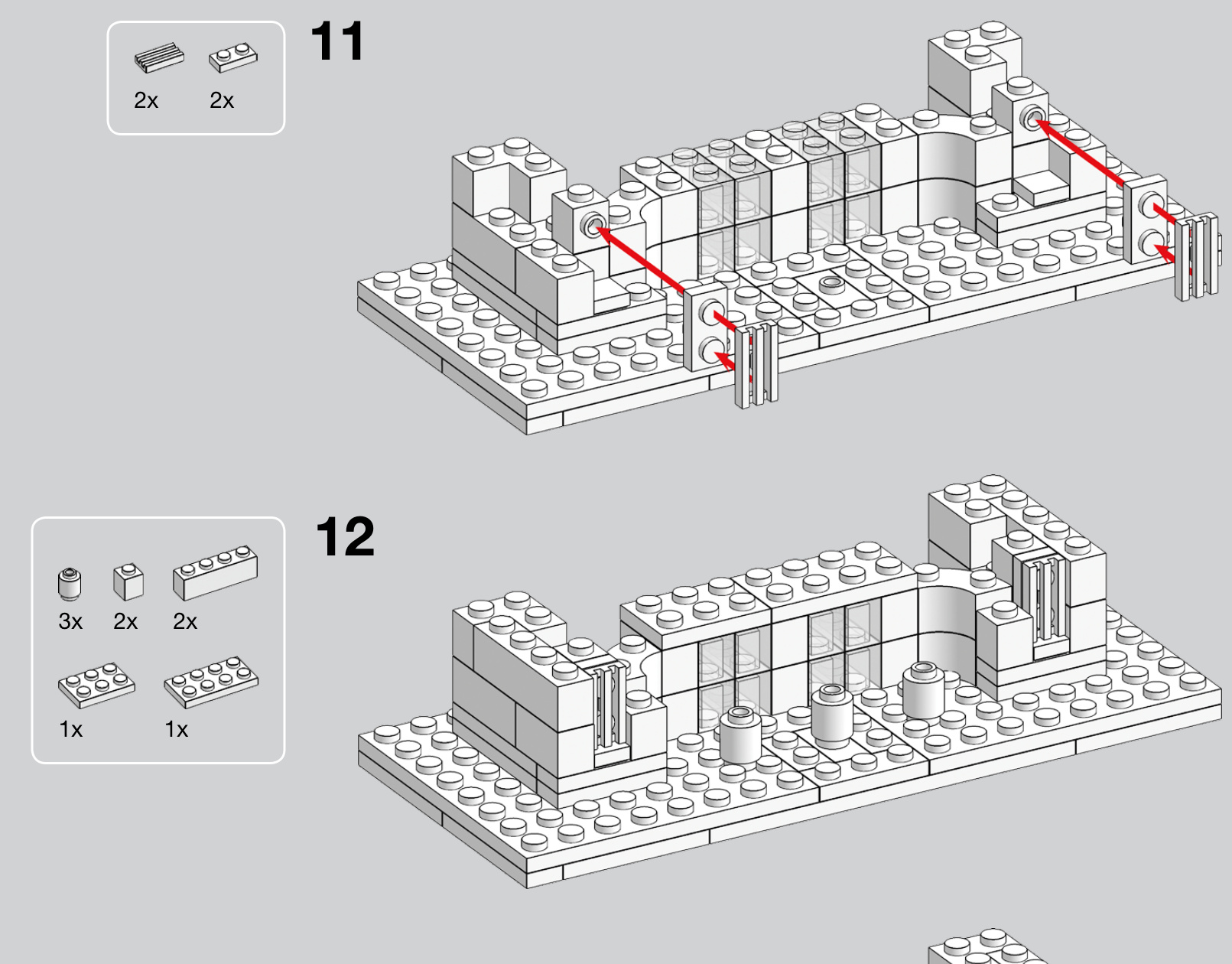
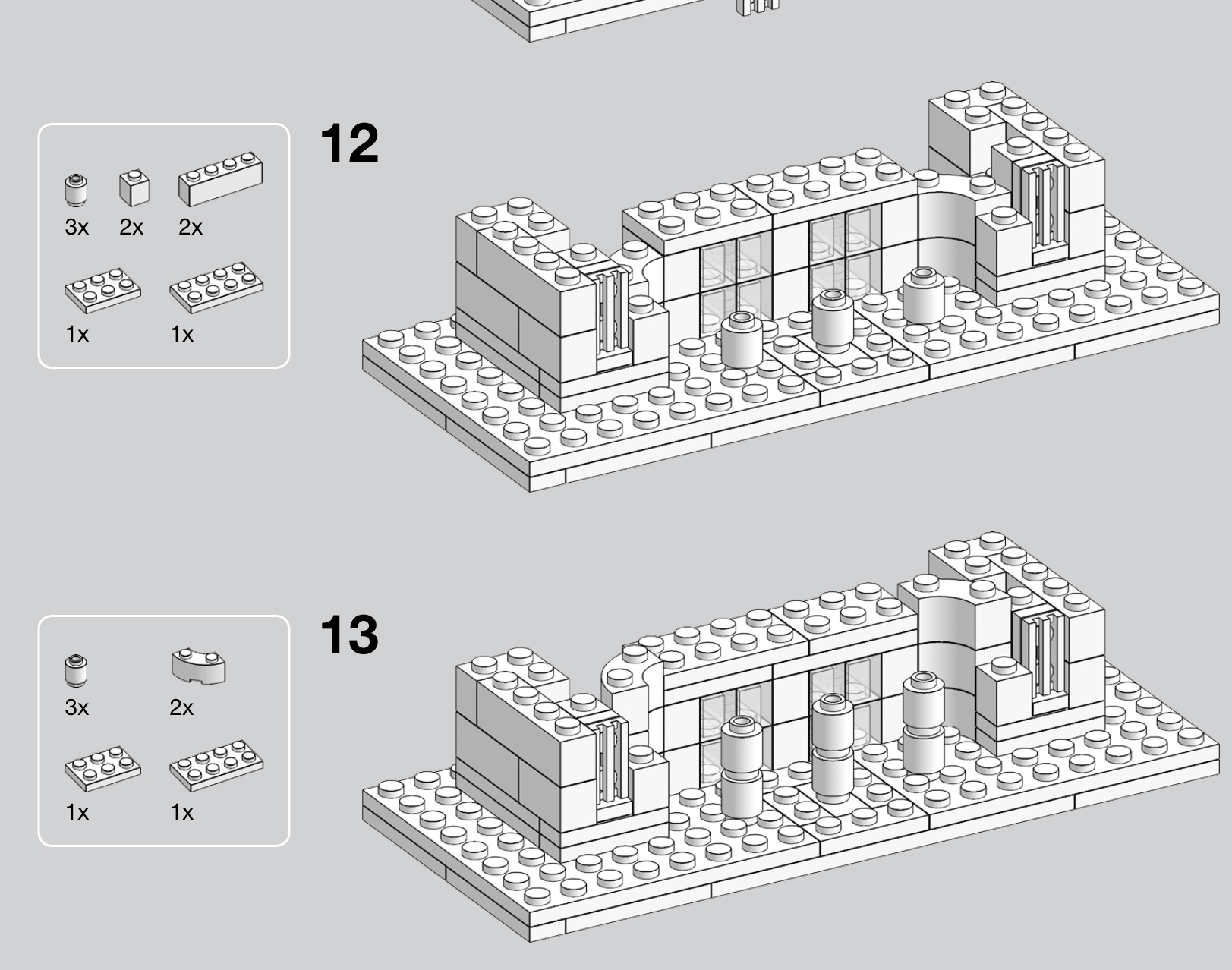
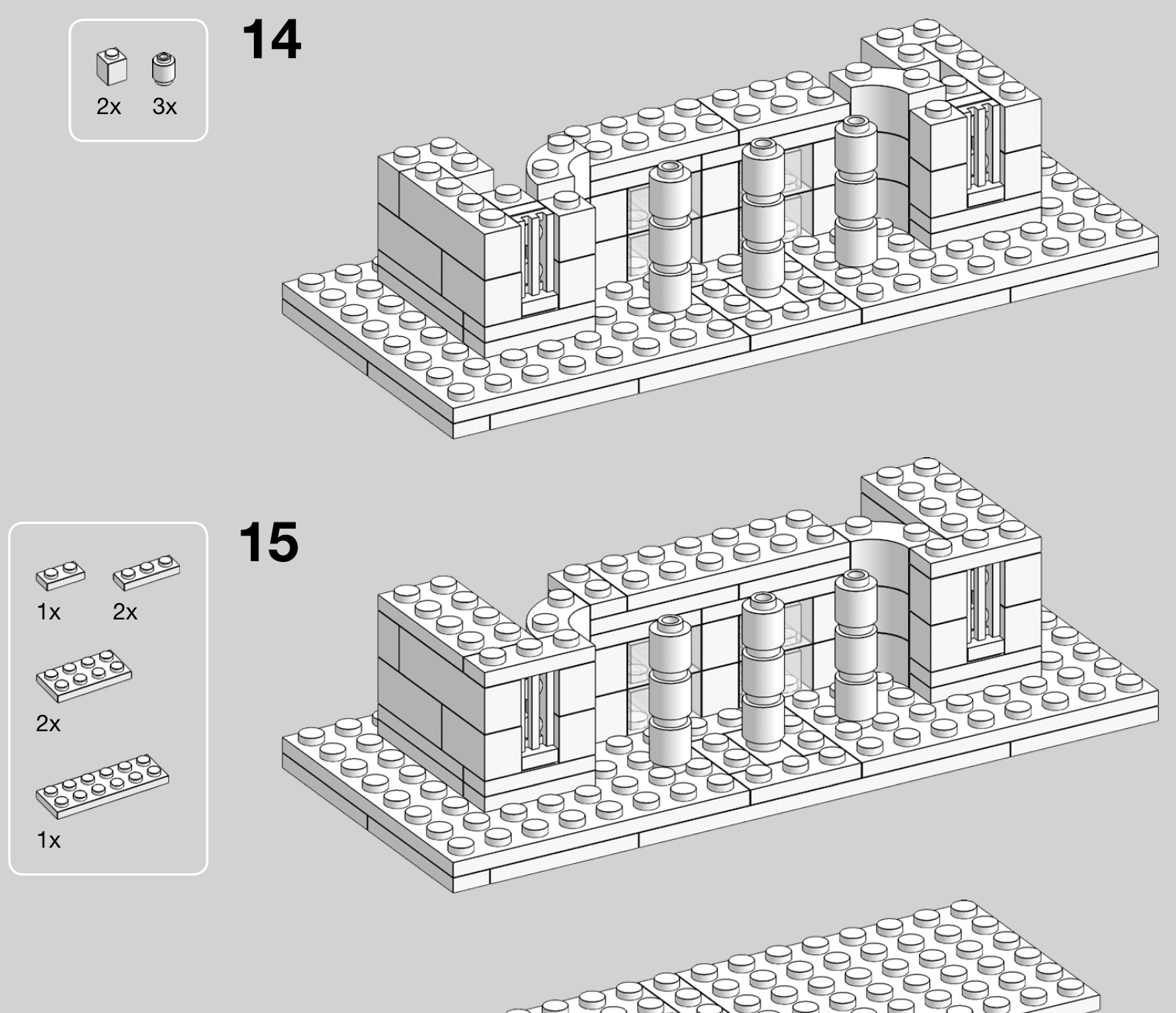
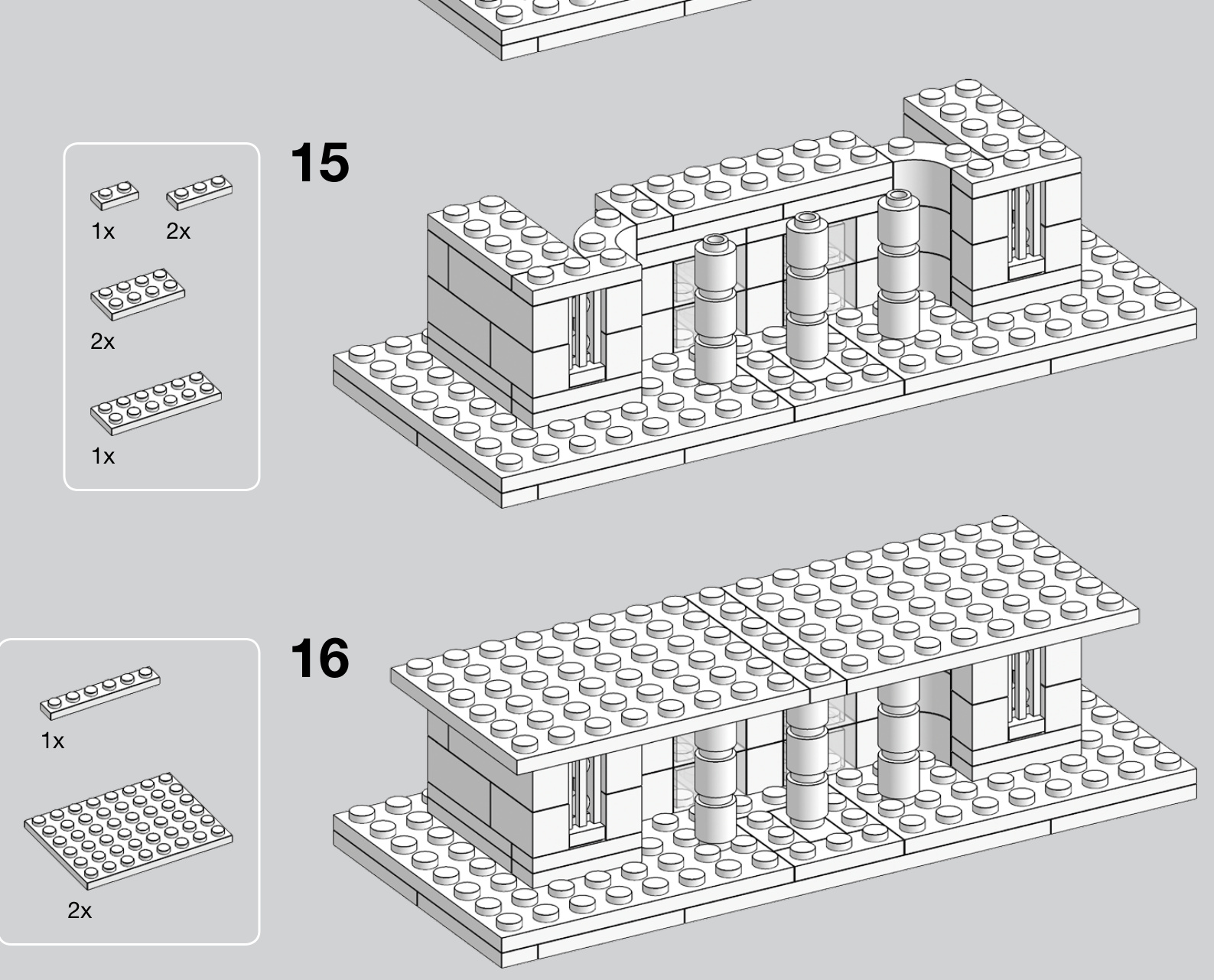
19
C 22
20
23
21
24
25
26
27
28
30
29
31
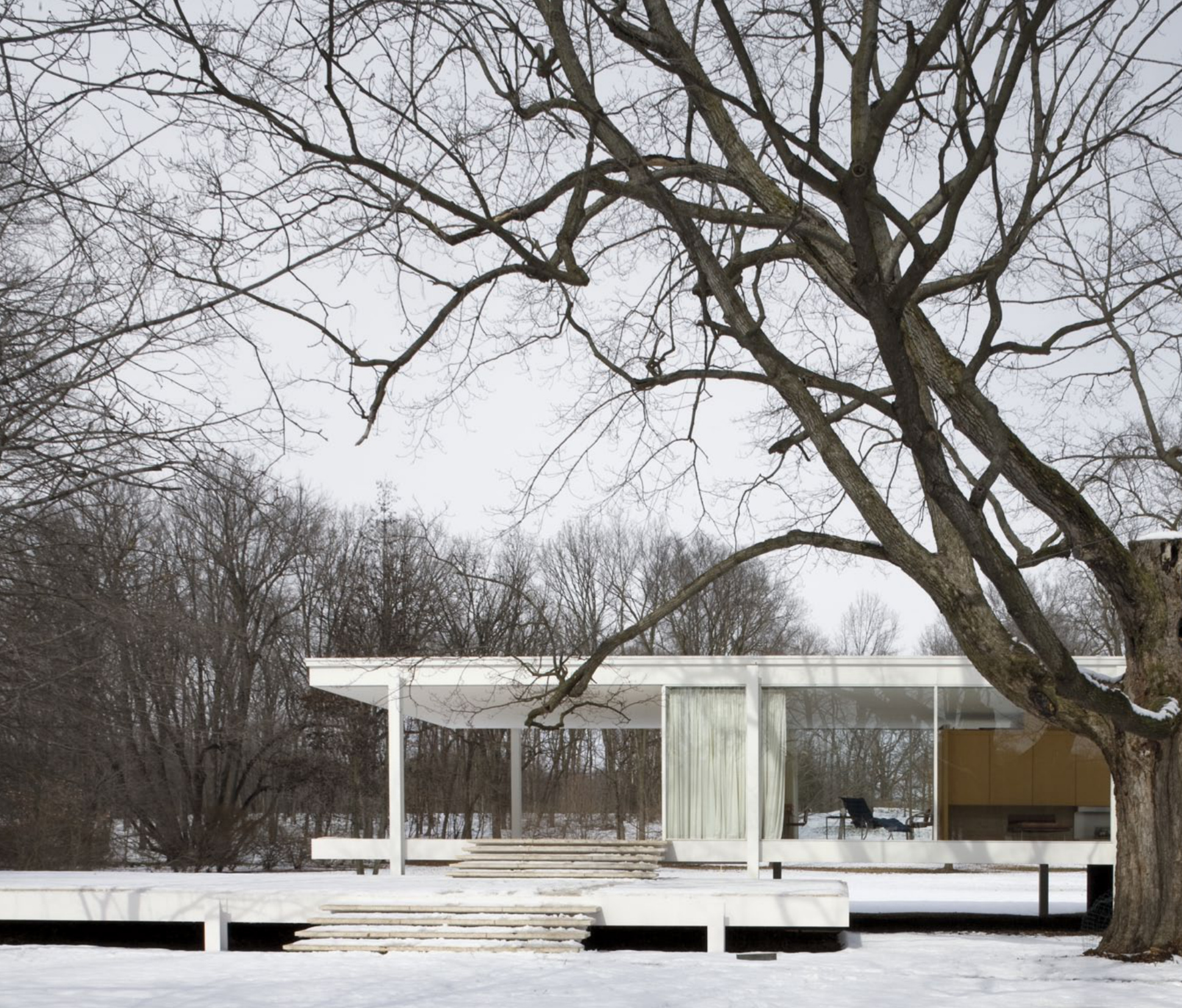

Modernism
“Less is more.” —Mies van der Rohe
Curtain Wall
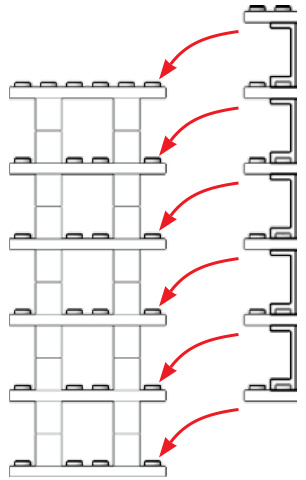
The curtain wall hangs from the central support structure of the building.
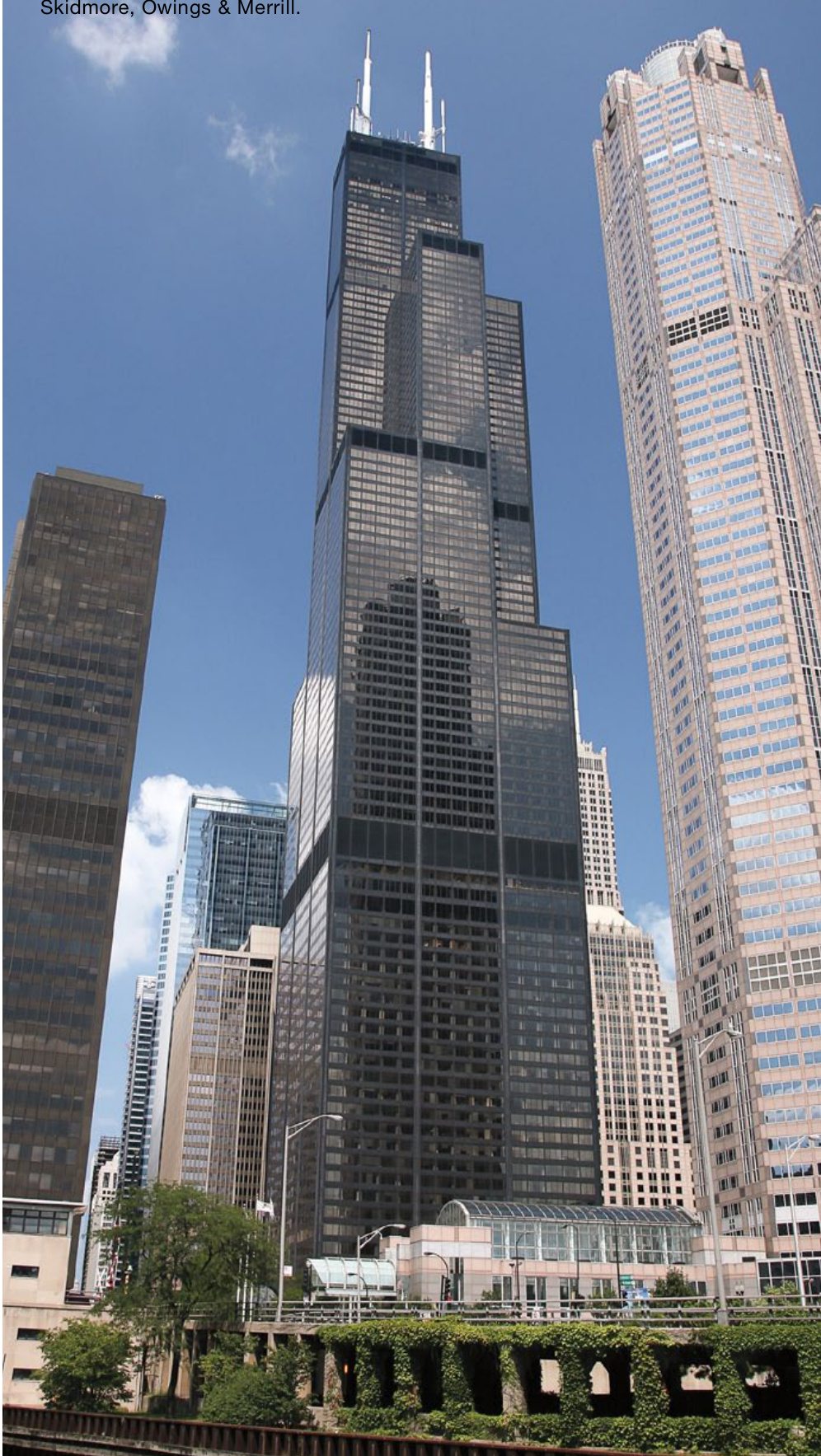
Modernism sprang from the convergence of new industrial materials and a new philosophy of building where “form follows function,” a phrase coined in 1896 by architect Louis Sullivan. Sullivan is often considered the first Modernist architect because he was one of the first to embrace steel framing in the construction of tall buildings, instead of using load-bearing masonry walls. This cut costs and gave buildings more usable interior space as it allowed for much thinner walls. These early skyscrapers have the same skeleton as modern-day glass towers but were clad with a masonry exterior to match other buildings of their era.
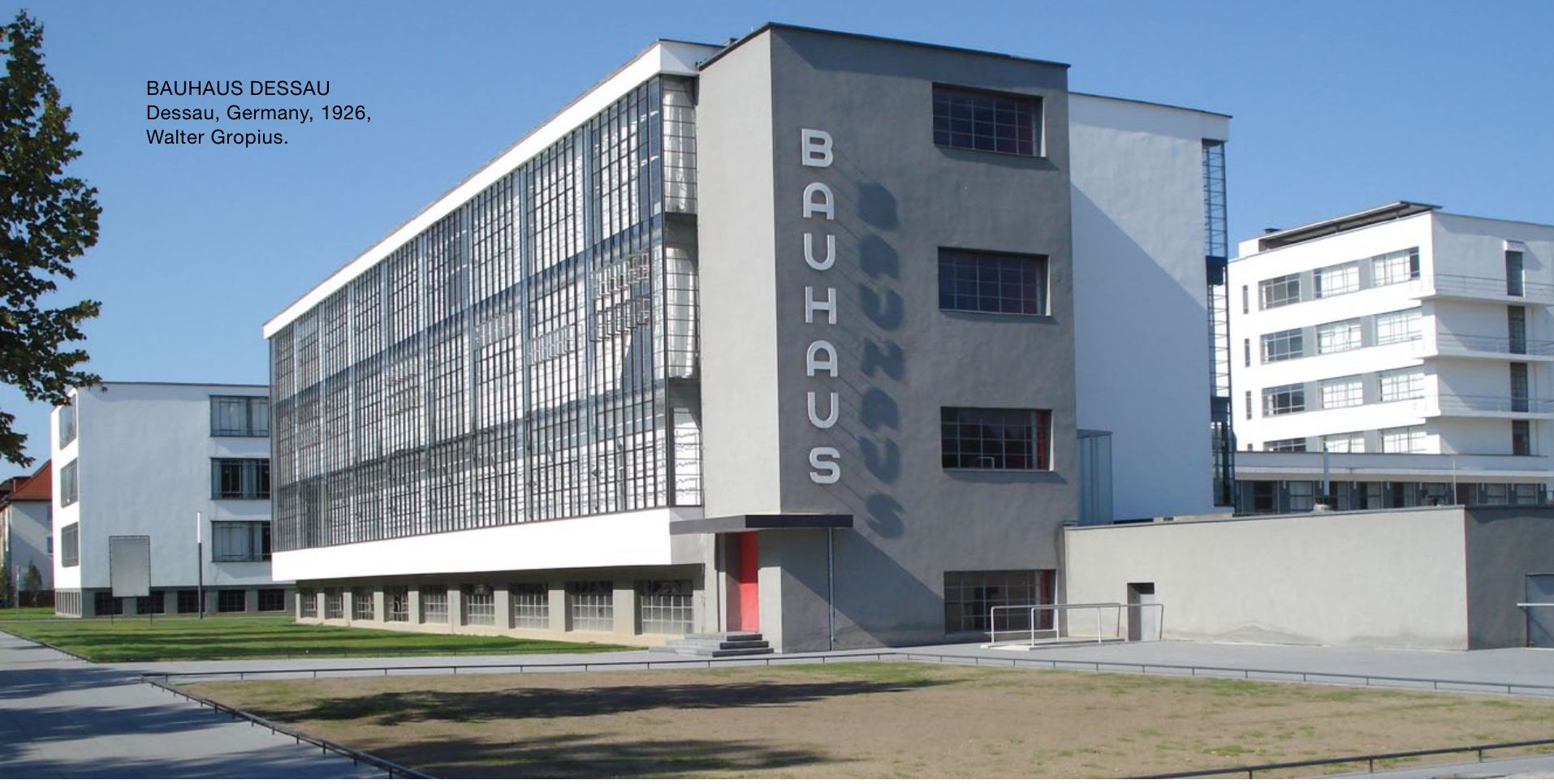
The earliest buildings to feature a truly Modernist exterior came out of the Bauhaus, a school in Germany that taught modern industrial design, arts, and architecture. In 1926, the school moved into the Bauhaus Dessau, a large new building designed by founder Walter Gropius. The building was one of the first to have floor-to-ceiling curtain-wall windows that hung from a steel frame instead of being supported from below.
By 1932, there were enough buildings in this emerging style that an international exhibition of architecture was organized at the newly established Museum of Modern
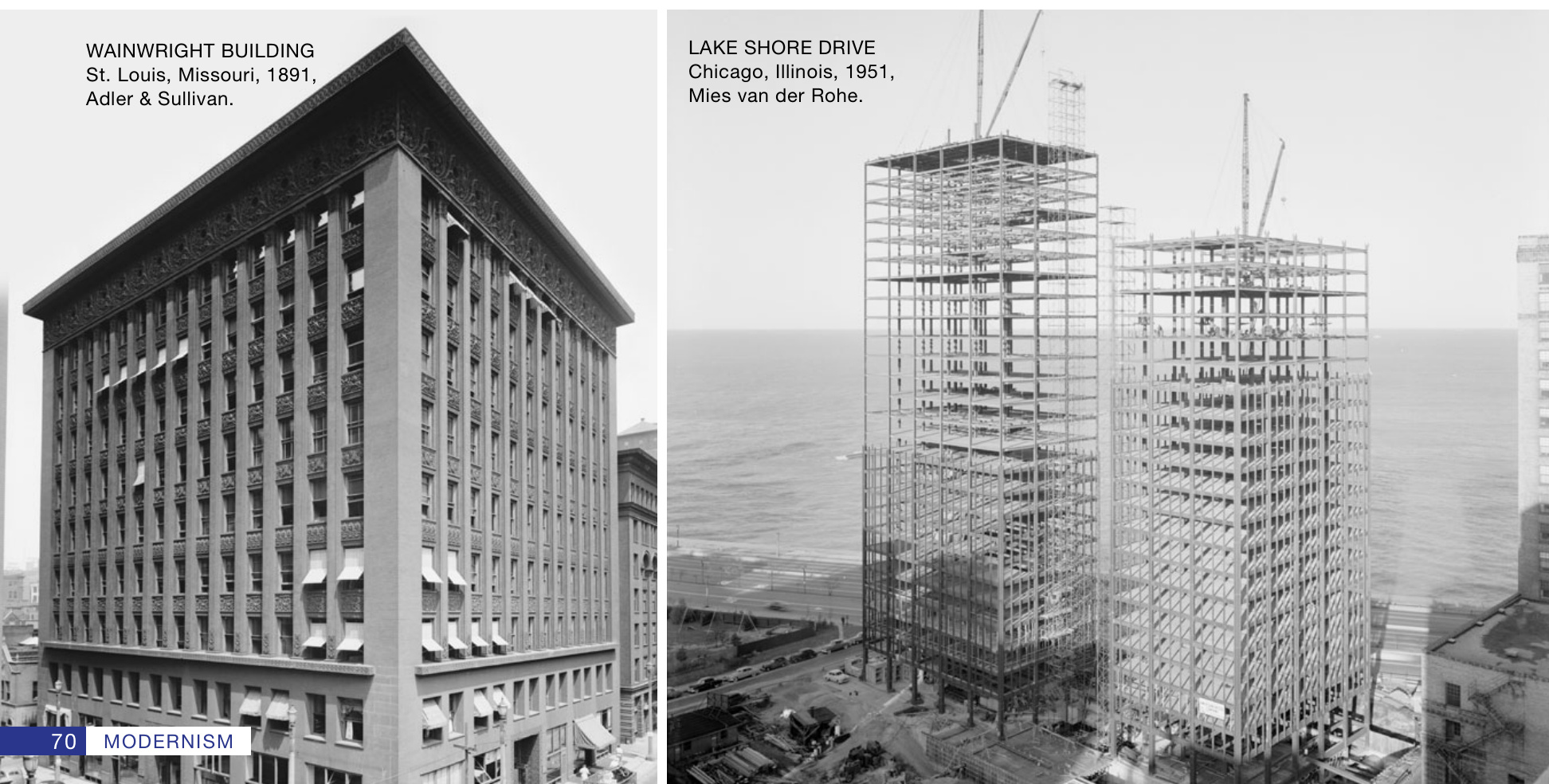
Art in New York City. Modern Architecture— International Exhibition was so successful that it gave this early phase of Modernism its own name: the International Style. The show featured buildings that followed the three Modernist principles: emphasis of volume over mass, regularity and standardization of elements, and avoidance of ornamentation.
Emphasizing volume over mass creates brightly lit buildings, such as Mies van der Rohe’s Barcelona Pavilion (1929), where the indoor and outdoor spaces are separated only by glass walls. Regularity and standardization of elements are clearly present in Le Corbusier’s Villa Savoye (1931), through the use of identical concrete columns (or pilotis) that support the second story. Lovell Health House (1929) by Richard Neutra is an example of a building with an interesting form but minimal ornamentation.
Soon after the 1929 exhibition, the Bauhaus dissolved as Germany slipped into the hands of the Nazi Party, driving many architects to find new homes around the world. Meanwhile in the United States, Frank Lloyd Wright, famous for his Prairie-style
MATERIALS
Glass, metal, and concrete are the most common materials in Modernist architecture. In the 1950s, concrete was generally used only for structural elements of Modernist buildings, but by the 1960s, architects were leaving concrete visible in finished buildings, a trend that eventually evolved into a new style, Brutalism.
homes, was reborn as a Modernist architect with Fallingwater in 1937. In placing a modern yet cozy home atop a waterfall, Wright created one of the most famous homes ever built.
The International Style wouldn’t find mainstream appeal until after World War II when its growth was fueled by economic prosperity, especially in the United States. Mies van der Rohe pushed the limits of the Modernist philosophy of architecture with Farnsworth House (1951). By reducing the human needs of a vacation home to their logical extreme, the house is little more
than a glass box that vanishes into the landscape.
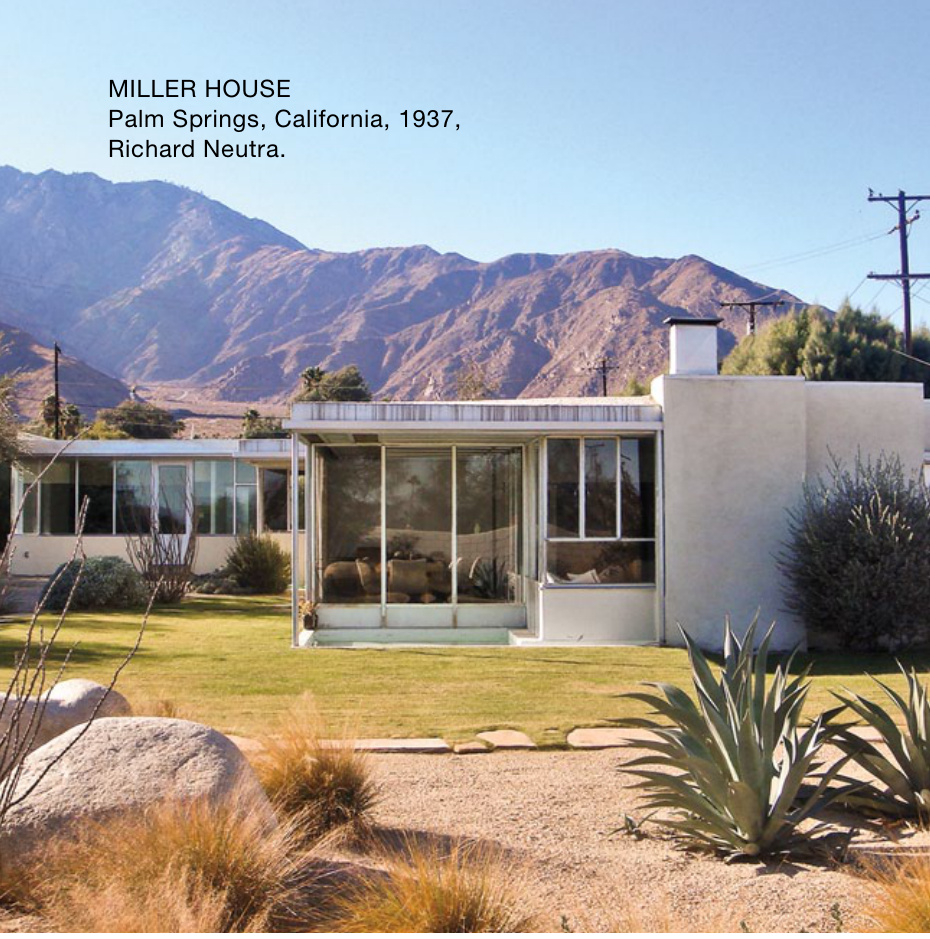
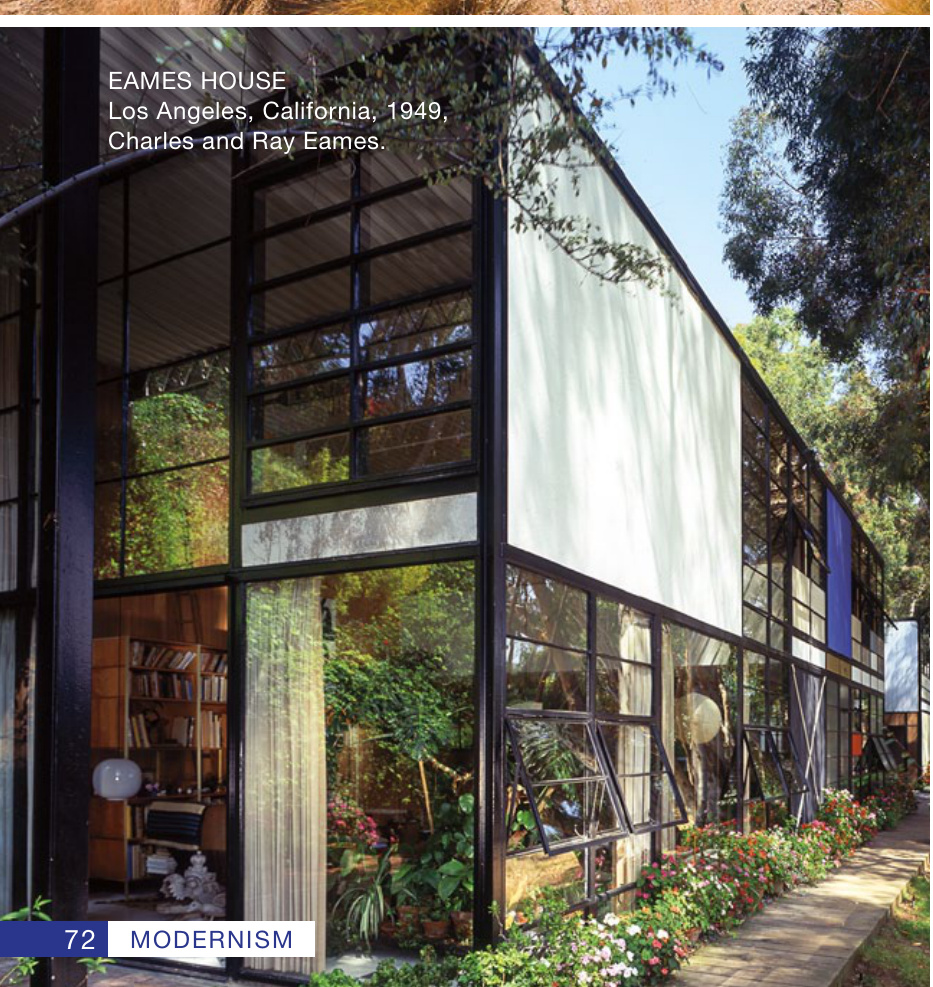
Advocates of Modernist architecture hoped to create a new template for modern living to meet the growing demand for housing in the postwar period. The Case Study House project in Los Angeles, sponsored by Arts & Architecture magazine, challenged leading Modernist architects to design small single-family homes that would be inexpensive to construct. More than 30 homes were designed and published in the magazine, including Eames House (1949), a colorful loft home built of
LEGO Bricks

bricks can create slender, square columns in a larger model.
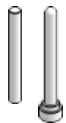
Bars or antennas can be used for slender pilotis or rooftop antennas.

clear panels make excellent windows, although there are lots of other options.
